

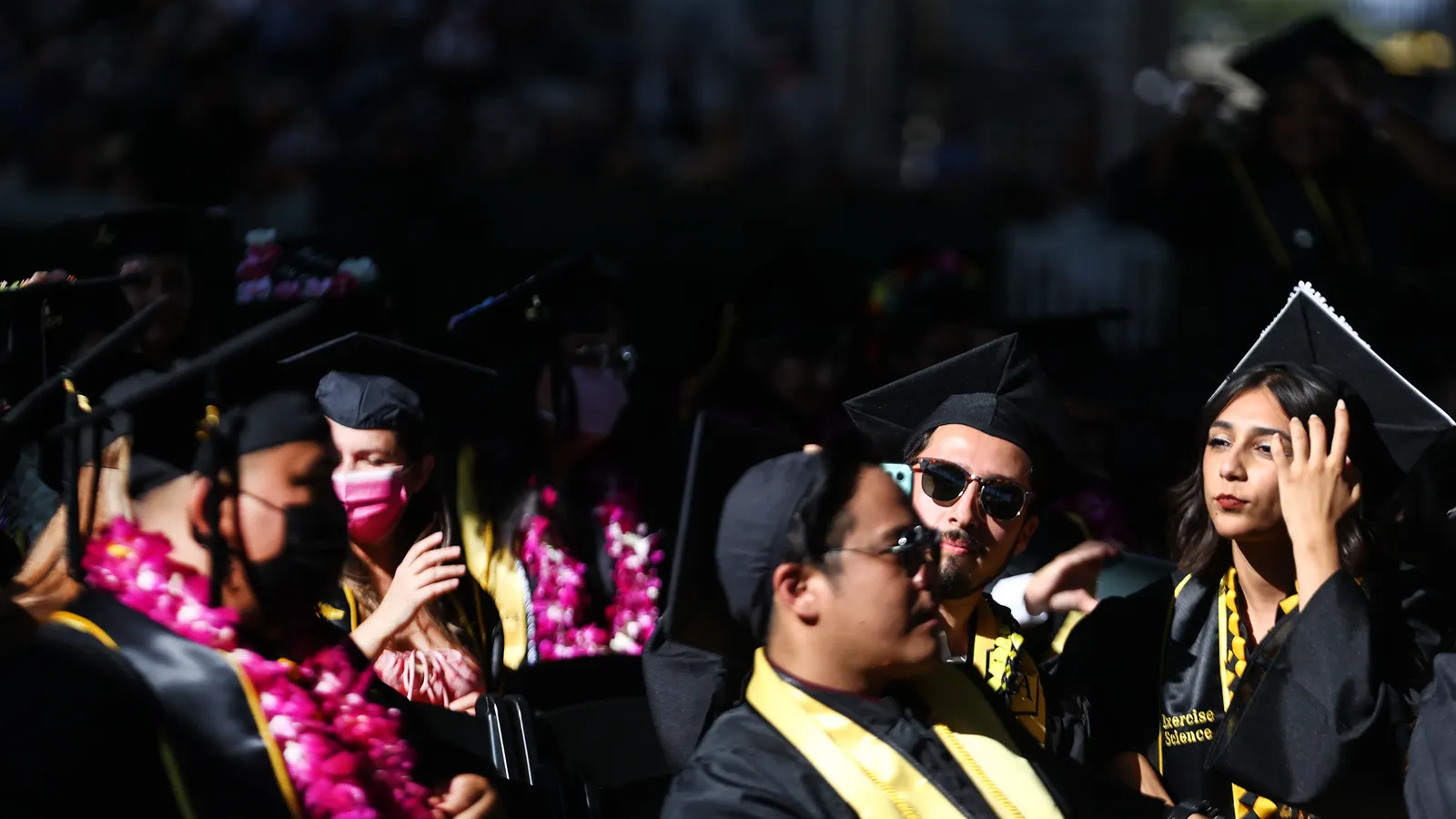
The transition from academia to the professional world has always been a significant milestone for graduates. However, the Class of 2025 is experiencing a unique set of challenges as they step into a job market that’s becoming increasingly difficult to navigate. According to a recent report by ZipRecruiter, a significant gap exists between the expectations of soon-to-be graduates and the realities they encounter during their job search.
A primary area of concern is the duration of the job search. The report highlights that while 82% of upcoming graduates anticipate securing employment within three months post-graduation, only 77% of those who recently graduated managed to achieve this timeline. Alarmingly, 5% are still in pursuit of their first job. This disparity underscores the unpredictable nature of the current job market, which is a sentiment echoed by Ian Siegel, co-founder and CEO of ZipRecruiter. He remarked on the challenge new graduates face in transitioning from campus to career amidst such uncertainties.
Salary expectations also reveal a disconnect. Many impending graduates are optimistic about earning six-figure salaries, with an anticipated average of $101,500. In contrast, the actual average starting salary for recent graduates stands at $68,400. This significant gap not only highlights the need for better alignment of expectations but also suggests a potential area of focus for career counseling and guidance services.
Flexibility in work schedules is another priority for graduates. While 90% of recent graduates value schedule flexibility, only 29% have been able to secure jobs that offer such conditions. This discrepancy points to a broader trend in the job market, where the demand for flexible work arrangements is high, yet the supply remains limited. This trend is further emphasized by findings from Monster, which indicate that employers who provide flexibility, alongside purpose and growth opportunities, are more likely to attract and retain top talent.
Despite these challenges, there is a sense of cautious optimism among job seekers. Reports from Indeed suggest that while job availability has plateaued, interest among job seekers remains strong. However, this steady interest is met with increased competition, adding another layer of difficulty for new entrants to the job market.
The issue of compensation transparency is also a growing concern. According to Payscale, conversations around pay are expected to remain contentious through 2025. The report advocates for pay transparency as a means to address these challenges, encouraging employers to listen to their employees and prioritize fairness in compensation practices.
Employers, on their part, are encouraged to adapt to these evolving needs. With healthcare costs rising and employee expectations shifting, HR professionals are tasked with finding innovative ways to meet these demands, ensuring that their offerings are competitive and aligned with the desires of the new workforce.
In conclusion, the journey for the Class of 2025 is one of balancing expectations with the realities of a fluctuating job market. As graduates navigate this landscape, the emphasis on flexibility, fair compensation, and realistic expectations will be pivotal in shaping their early career experiences.
Note: This article is inspired by content from https://www.hrdive.com/news/graduates-disconnect-job-expectations-reality/746433/. It has been rephrased for originality. Images are credited to the original source.