

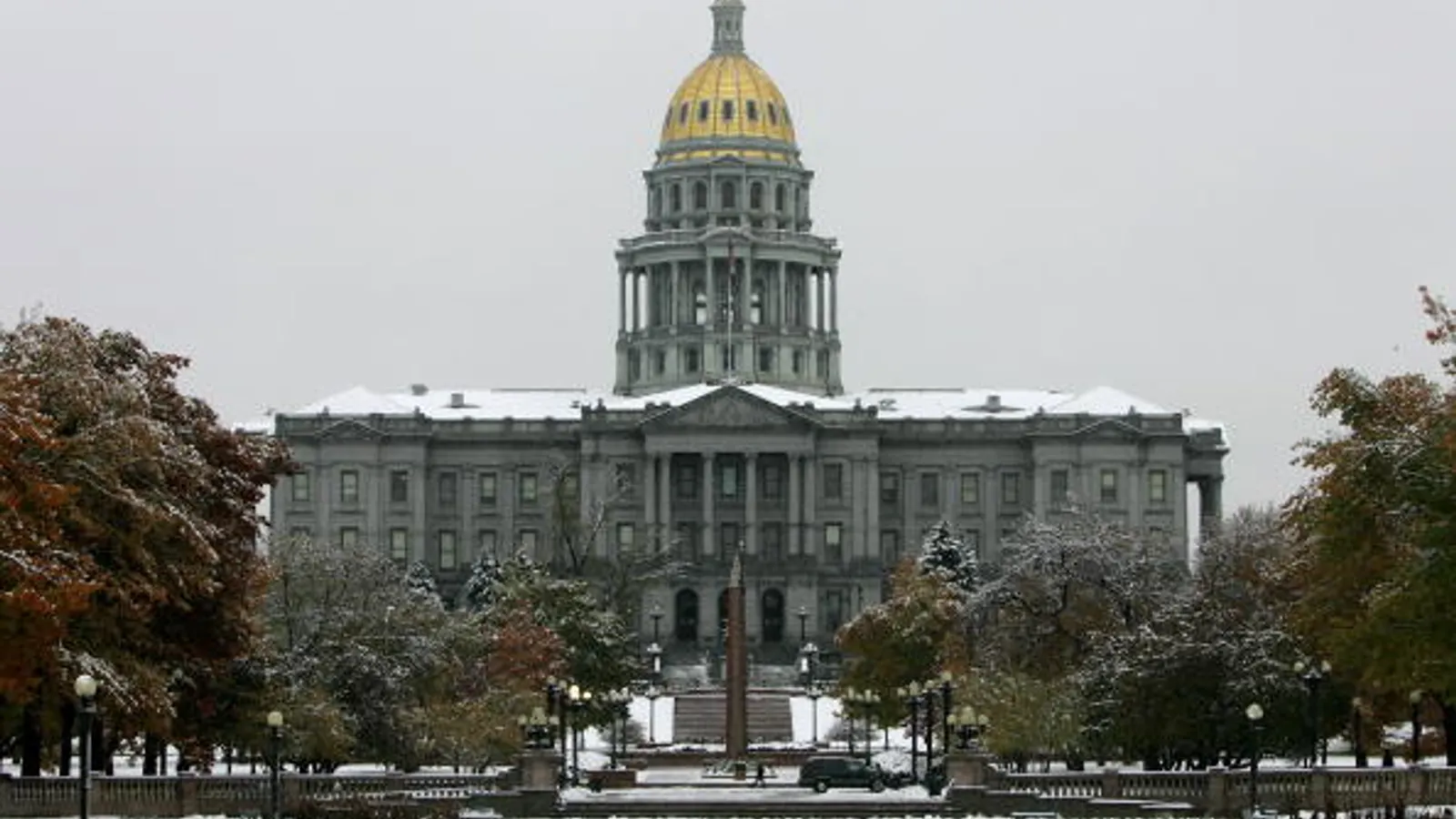
In a recent legislative development, Colorado lawmakers have introduced Senate Bill 318, a proposal poised to reshape the state’s pioneering artificial intelligence (AI) law. Initially set to take effect on February 1, 2026, this law mandates that those deploying ‘high-risk artificial intelligence systems,’ including employers and entities involved in employment decisions, exercise ‘reasonable care’ to avert discrimination.
Senate Bill 318 seeks to introduce several amendments to the existing framework, particularly benefiting small businesses. It proposes exemptions for smaller enterprises and extends the timeline for implementation. Originally intended for companies with more than 50 employees, the updated bill will apply to organizations with a global workforce exceeding 100 employees by April 1, 2029, following gradual phase-ins.
Governor Jared Polis, in a signing statement for Senate Bill 205, the original AI legislation, expressed concerns that the law might ‘tamper innovation and deter competition in an open market.’ The bill’s approval deadline looms, with lawmakers having until May 7 to finalize their decision before the legislative session concludes.
The initiative, sponsored by Democratic Senator Robert Rodriguez and Democratic Representative Brianna Titone, aims to alleviate administrative burdens on small businesses. It eliminates the mandate for ‘reasonable care’ in decision-making and revises the criteria under which consumers can contest adverse decisions.
A notable aspect of the bill is the requirement for deployers to incorporate in their impact assessments whether the AI system presents any known or reasonably foreseeable risks. These risks could include limiting accessibility for certain individuals, engaging in unfair or deceptive practices, violating state or federal labor laws, or breaching the ‘Colorado Privacy Act.’
Governor Polis, upon signing Senate Bill 205 into law last year, acknowledged its pioneering status in attempting to regulate the burgeoning AI industry on such a scale. He advocated for a federal-level approach to AI regulation but, in its absence, urged Colorado lawmakers to ‘significantly improve’ the state law before its enactment.
‘While the guardrails, long timeline for implementation, and limitations contained in the final version are adequate for me to sign this legislation today, I am concerned about the impact this law may have on an industry that is fueling critical technological advancements across our state for consumers and enterprises alike,’ Polis stated.
Colorado’s legislative action is part of a broader trend in the United States, where few jurisdictions have addressed AI use in hiring. States like Illinois, Maryland, and New York City have implemented similar laws, reflecting a growing recognition of AI’s impact on employment practices.
For HR professionals and employers, understanding the nuances of Senate Bill 318 is crucial. The proposed changes represent a significant shift in AI governance, emphasizing the balance between fostering innovation and ensuring ethical AI deployment in employment.
As this legislative process unfolds, businesses and HR leaders should stay informed about potential changes and prepare to adapt their practices accordingly. For ongoing updates and insights, follow hrtechtrend.com.
Note: This article is inspired by content from https://www.hrdive.com/news/new-colorado-bill-would-revamp-landmark-ai-law/746788/. It has been rephrased for originality. Images are credited to the original source.