

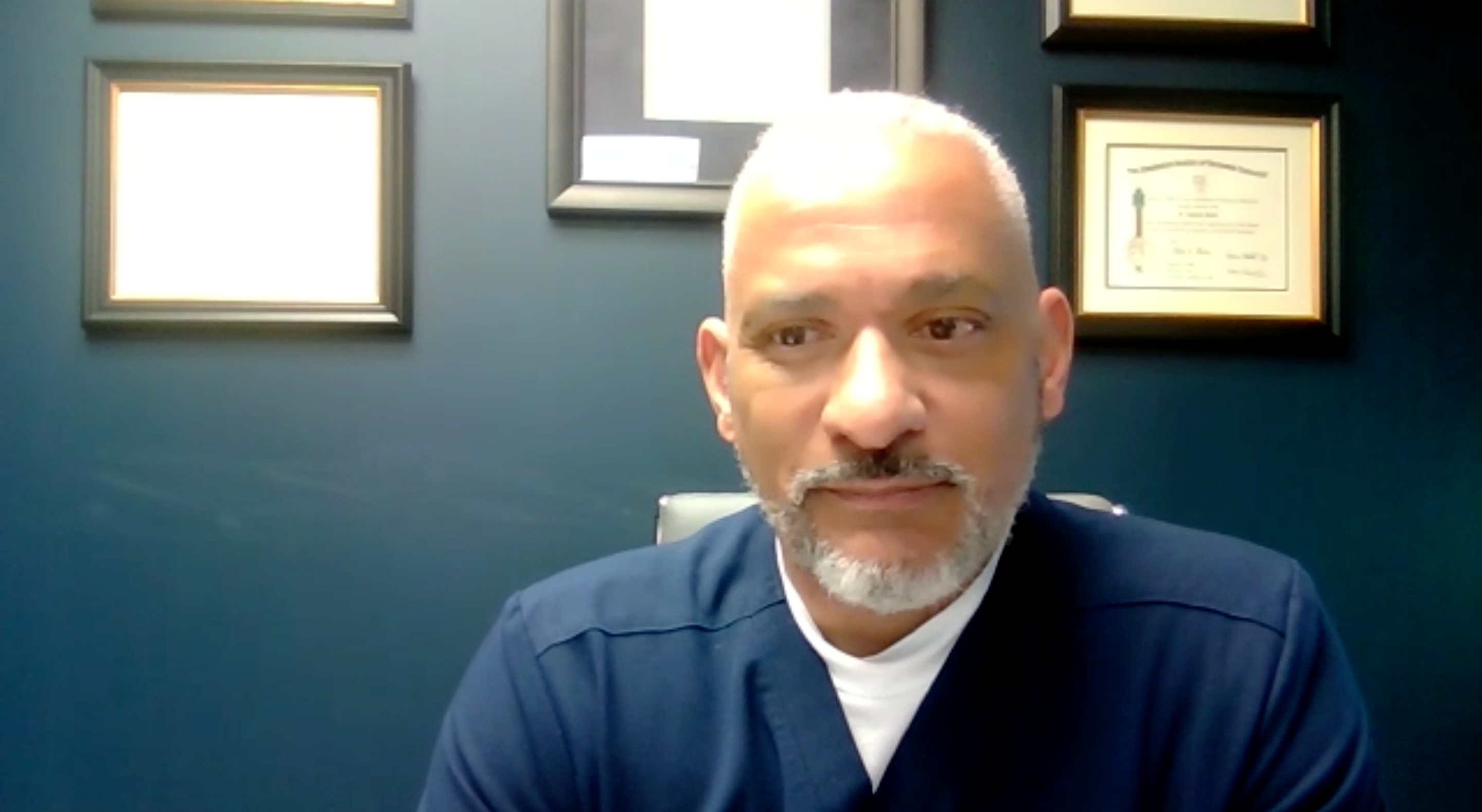
Technological advancements are reshaping cardiovascular care, offering new tools to enhance patient outcomes, especially in underserved communities. At the forefront of this transformation is Antoine Keller, MD, FACC, FACS, a cardiothoracic surgeon at Ochsner Lafayette General Hospital and founder of HeartSense. Keller highlights the pivotal role of artificial intelligence (AI) and digital auscultation in making cardiovascular assessments more accessible, particularly in rural Louisiana.
Geographical barriers often hinder quality cardiovascular care for many patients. Digital solutions are bridging these gaps, enabling better prevention and management of cardiovascular conditions. Keller emphasizes the potential of these technologies to improve health equity, underscoring the importance of a robust healthcare workforce in maximizing their impact.
AI and Digital Health Tools in Cardiovascular Care
The integration of AI and digital health tools in cardiovascular care presents both opportunities and challenges. AI can reveal gaps in care and suggest actionable plans to address them. However, the sheer volume of information can be overwhelming, making it crucial to focus on the most pressing issues.
One of the most promising areas is data mining within electronic medical records (EMR). This technology can uncover patterns of disease, providing valuable insights for treatment. Yet, the challenge remains in having enough skilled professionals to analyze and apply these findings effectively.
The Role of Human Resources
Keller asserts that human resources are vital in leveraging technological advances. Skilled professionals with expertise in data science are essential to developing treatment paradigms and applying AI insights effectively. The healthcare industry must invest in nurturing talent with curiosity and interest in these fields to drive innovation.
Keller’s Vision for the Future
Keller believes that human resources play a crucial role in the future of cardiovascular care, particularly concerning AI and data science. His vision is to see a workforce passionate about using technology to tackle healthcare challenges.
If given three wishes, Keller would prioritize human resources, emphasizing the need for smart individuals dedicated to addressing healthcare issues. Despite technological reliance, the human element remains indispensable.
In conclusion, the synergy between technological advancements and human resources is vital for the future of cardiovascular care. As digital tools continue to evolve, the need for skilled professionals to harness their potential becomes increasingly important. The healthcare industry’s investment in human resources will determine the success of these technological innovations.
Note: This article is inspired by content from https://www.ajmc.com/view/technological-advances-in-cv-care-depend-on-human-resources-antoine-keller-md. It has been rephrased for originality. Images are credited to the original source.