

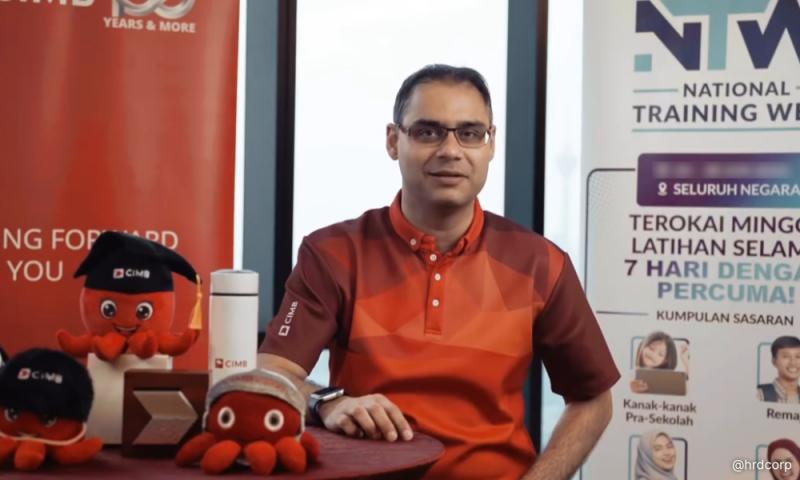
The National Union of Bank Employees (Nube) has expressed strong opposition to CIMB Group’s recent decision to appoint a foreign national, Animesh Mukherjee, to lead its human resource operations. In a statement released today, Nube described the appointment as ‘illogical’ and criticized Mukherjee for what they termed a ‘clear lack of cultural awareness and empathy’.
The union’s discontent primarily stems from the belief that appointing a foreign national to such a critical position undermines local talent and disregards the cultural nuances that are essential for managing human resources effectively within a local context. This move has sparked a broader conversation about the importance of cultural competence in HR leadership roles, especially within multinational corporations operating in diverse regions.
Local Talent Overlooked?
Nube’s statement emphasized the availability of qualified local professionals who possess the necessary skills and cultural understanding to effectively manage HR functions in Malaysia. The union argues that overlooking local talent for a foreign appointee sends a discouraging message to Malaysian HR professionals striving for leadership roles within their own country.
Cultural Awareness in HR
Cultural awareness and sensitivity are critical components of effective HR management, particularly in a multicultural society like Malaysia. A lack of understanding of local customs, traditions, and values can lead to miscommunication and a disconnect between employees and HR leaders. Nube’s criticism suggests that Mukherjee’s appointment may not adequately reflect an appreciation for these cultural intricacies.
The Role of Empathy in HR
Empathy is another essential quality for HR practitioners, as it enables them to understand and address the concerns and needs of employees. Nube’s accusation of Mukherjee’s lack of empathy raises questions about the criteria used in the selection process for HR leaders in multinational companies. The union argues that empathy is a key factor in fostering a positive work environment and enhancing employee satisfaction.
Industry Reactions
Reactions within the HR community have been mixed. Some professionals argue that diversity in leadership, including international perspectives, can bring fresh ideas and innovation to a company. However, others support Nube’s stance, emphasizing the importance of cultural alignment and local representation in HR leadership.
The Broader Implications
This controversy highlights the ongoing debate about the balance between global expertise and local knowledge in leadership roles. As businesses continue to expand globally, the challenge of integrating diverse perspectives while maintaining cultural relevance becomes increasingly significant.
HR leaders are tasked with navigating these complexities, ensuring that their strategies are inclusive and responsive to the cultural dynamics of the regions in which they operate. The situation with CIMB and Nube underscores the necessity for organizations to carefully consider these factors in their leadership appointments.
Moving Forward
As the discourse around this issue continues, it is crucial for companies like CIMB to engage in open dialogue with stakeholders, including unions, to address concerns and work towards mutually beneficial solutions. This approach not only helps in resolving immediate conflicts but also contributes to building trust and fostering a more inclusive corporate culture.
For HR professionals, this situation serves as a reminder of the critical role they play in bridging cultural gaps and ensuring that their practices resonate with the diverse employee populations they serve. It also emphasizes the need for continuous professional development in cultural competence and empathy, which are indispensable in today’s globalized business environment.
For more HR news and insights, follow hrtechtrend.com.
Note: This article is inspired by content from https://www.malaysiakini.com/news/743604. It has been rephrased for originality. Images are credited to the original source.