

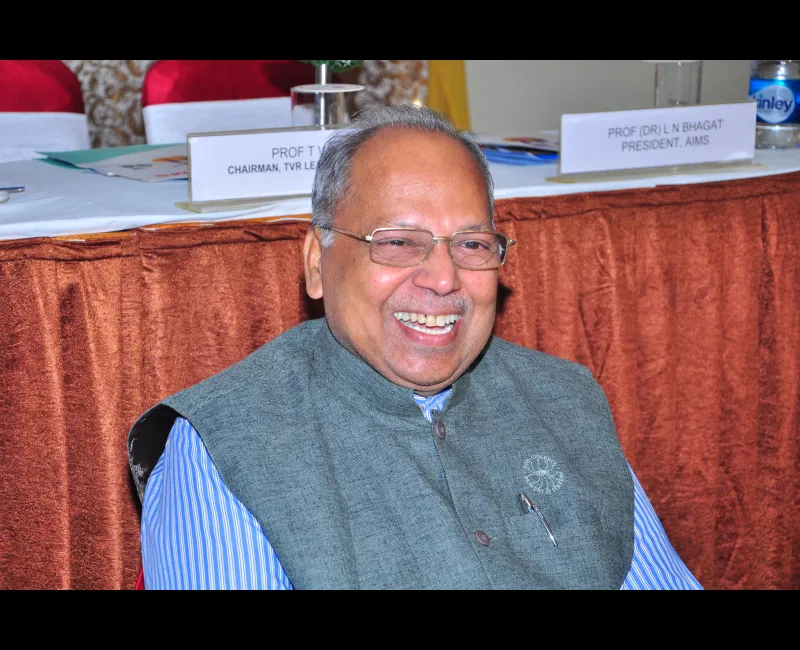
The landscape of human resource management has undergone significant transformations over the past several decades, reflecting broader societal changes. Dr. T.V. Rao, a pioneering figure in the HR domain, offers insights into these shifts, emphasizing the evolving role of HR from post-independence India to the present AI-driven era.
Dr. Rao highlights that in the 1950s, Indian corporations were largely welfare-driven, managed by labor welfare officers. As the decades progressed, the role of HR expanded to include personnel management, focusing on recruitment, performance management, appraisal, and training. The establishment of institutions like TIS and XLRI during this period underscored the importance of labor welfare and employee relations.
By the mid-1970s, there was a shift towards development, with HRD becoming a focal point. The emphasis on learning and development marked a transition from welfare to growth and development. This trajectory continued into the 1990s, a period marked by post-liberalization reforms. HR then became more business-driven, aligning closely with global standards and focusing on quality and performance.
In the early 21st century, HR evolved into a strategic business partner, with technology playing a pivotal role. From 2010 onwards, the integration of IT and AI in HR processes has been notable. Today, HR is not just a department but a philosophy, a way of life that involves everyone in the organization. Despite these advancements, challenges remain. HR professionals are tasked with balancing human welfare, mental health, and physical health in a rapidly changing technological landscape.
When asked if HR receives the recognition it deserves, Dr. Rao notes that it varies. In some forward-thinking companies, HR is given due importance, with HR directors playing strategic roles alongside CEOs. These companies leverage HR’s insights into cultural nuances and market opportunities, often placing HR ahead of even the CEOs in understanding new markets.
However, in many small and medium enterprises, the significance of HR is not fully appreciated. Often, CEOs or owners handle HR tasks, limiting its role to recruitment and performance appraisal. Dr. Rao estimates that only about 30 to 40 percent of companies fully utilize HR’s potential, indicating a need for improved education and dissemination of HR’s strategic importance.
The rapid advancement of technology, AI, and automation presents new challenges and opportunities for HR leaders. Dr. Rao points out that while AI offers potential for performance management and culture building, its full capabilities remain underutilized. Many organizations still rely on traditional methods, failing to harness AI’s potential for data-driven insights into organizational performance.
AI’s role in automating routine tasks presents both opportunities and challenges. While AI can handle data processing and applicant tracking, HR professionals must shift from being mere users to designers of AI-driven systems. This requires a fundamental understanding of human resource information systems and the ability to innovate beyond traditional methods.
Dr. Rao emphasizes the need for HR to direct AI, rather than the other way around. By designing systems that capture individual capabilities and leverage performance appraisal data, HR can unlock new opportunities for organizational growth. However, this requires a shift in mindset, with HR professionals taking an active role in shaping AI’s application in their organizations.
In summary, the evolution of HR from welfare to strategic partner reflects broader societal and technological changes. As HR continues to adapt to the challenges and opportunities presented by AI and automation, its role as a key driver of organizational success becomes increasingly critical.
Note: This article is inspired by content from https://www.bwpeople.in/article/hr-is-a-philosophy-way-of-life-557244. It has been rephrased for originality. Images are credited to the original source.