

Introduction
Technology is revolutionizing every corner of the corporate world, and human resource (HR) management is undergoing a significant transformation. Digital innovations are making HR processes more efficient and data-driven, impacting everything from hiring to employee engagement. As businesses evolve to meet the demands of a modern, technology-savvy workforce, HR departments are leveraging these tools to boost productivity and enhance workplace connectivity.
1. Smarter Recruitment Through Automation
One of the most impactful changes technology brings to HR is in recruitment. Traditional hiring processes are often slow and labor-intensive, but automation is streamlining these tasks. AI-powered systems can scan resumes, shortlist candidates, and even schedule interviews automatically. These tools not only reduce the time to hire but also minimize human bias by focusing on data-driven assessments. Predictive analytics platforms go a step further by analyzing applicant data to forecast potential job performance, helping recruiters make more informed decisions.
2. Enhanced Employee Onboarding
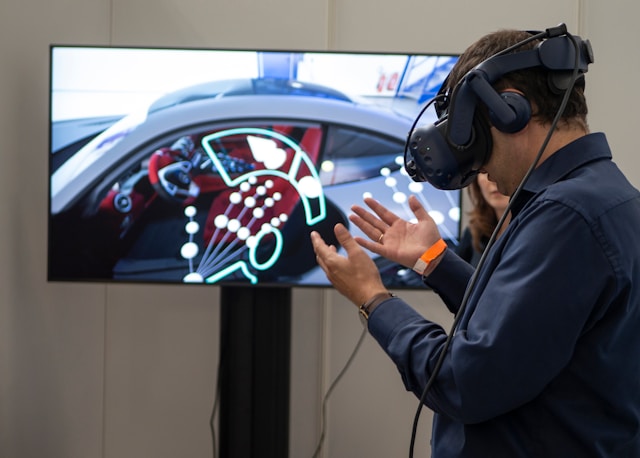
First impressions matter, and technology is helping companies make onboarding smoother and more engaging. Digital onboarding platforms provide new hires with access to training materials, company policies, and task checklists—all in one centralized location. Interactive modules and virtual reality (VR) simulations are also being used to familiarize employees with their roles in a more immersive way. This not only reduces training time but also improves retention by creating a positive initial experience.
3. Real-Time Performance Management
Gone are the days of annual performance reviews. Today, HR managers are using technology to track employee performance in real time. Cloud-based platforms allow managers and employees to set goals, provide feedback, and monitor progress continuously. Data analytics tools offer insights into productivity trends, helping managers identify areas for improvement and recognize high performers. This real-time feedback loop promotes transparency and supports employee development.
4. Personalizing Employee Engagement
Employee engagement is crucial for retention and productivity, and tech solutions are helping personalize this experience. Through employee experience platforms, HR can gather feedback via pulse surveys, monitor sentiment through AI-driven analysis, and tailor programs to meet individual needs. Customized wellness initiatives, learning paths, and reward systems are now easier to implement and manage, fostering a more inclusive and motivating work environment.
5. Streamlining Administrative Tasks
Administrative duties can take up a significant portion of HR’s time, but automation is changing that. Tasks such as payroll processing, benefits administration, and attendance tracking are now handled by HR management systems (HRMS). These platforms consolidate data, reduce errors, and provide real-time updates, freeing HR professionals to focus on strategic initiatives. Self-service portals also empower employees to manage their own information, decreasing the dependency on HR for routine queries.
6. Leveraging Data for Strategic Decision-Making
Data is at the core of modern HR practices. By leveraging big data and analytics, HR departments can make more informed decisions about hiring, training, and workforce planning. Predictive analytics can identify patterns in employee turnover, helping companies implement proactive retention strategies. Dashboards and reporting tools provide visual insights that support strategic planning and align HR goals with broader business objectives.
Conclusion
The integration of technology into human resource management is not a passing trend—it’s a fundamental shift. From smarter recruitment to real-time performance tracking and personalized engagement, tech tools are enabling HR professionals to be more strategic, efficient, and employee-centric. As organizations continue to navigate a dynamic business environment, embracing these technological advancements will be key to building a resilient and agile workforce.
This article is inspired by content from Original Source. It has been rephrased for originality. Images are credited to the original source.