

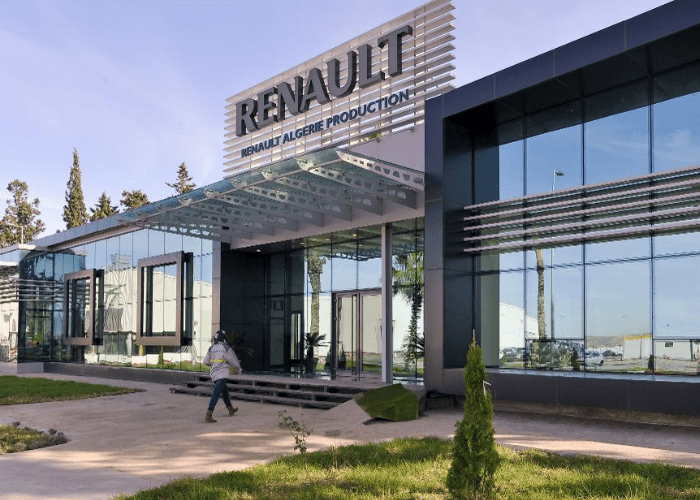
Renault Eyes Workforce Reduction Amid Cost Pressures
French automobile manufacturer Renault is reportedly preparing to cut approximately 3,000 jobs globally as part of a strategic cost-reduction initiative branded as the ‘Arrow’ plan. The move is intended to streamline operations and reduce expenditures amid an increasingly competitive automotive landscape.
The proposed job cuts will come through a voluntary redundancy program, focusing mainly on support functions such as human resources, finance, and marketing. These roles are expected to be reduced by around 15 percent worldwide, according to company insiders.
Headquarters to See Largest Impact
The most significant impact of the downsizing is anticipated to be at Renault’s headquarters in Boulogne-Billancourt, a suburb of Paris. However, other international locations will also be affected. The company is currently in the consultation phase with unions and employee representatives, and final decisions are expected before the end of 2024.
While Renault has acknowledged that cost-saving measures are under review, it emphasized that no definitive numbers have been finalized. The automaker has cited several factors driving this move, including market uncertainty, the need to optimize fixed costs, and efforts to simplify its global operations.
Arrow Plan Aims at Operational Efficiency
The ‘Arrow’ strategy is part of Renault’s broader plan to enhance operational efficiency in the face of shifting market dynamics. The company is responding to diminishing demand for electric vehicles, fierce competition from Chinese automakers, and looming U.S. tariffs that threaten to disrupt international trade flows.
Renault’s top brass believe that trimming non-production roles will allow the company to concentrate resources on innovation and core manufacturing. However, the announcement has raised concerns among employees and unions, who are closely monitoring developments.
Leadership Transition Influences Strategy
This restructuring comes shortly after a significant leadership change at Renault. In July 2024, Francois Provost stepped in as the new Chief Executive Officer, replacing interim leadership. Provost is expected to guide the company through this transitional period, focusing on cost control and strategic realignment.
The timing of this announcement is noteworthy as it follows Renault’s financial struggles in the first half of 2025. The automaker reported a net loss of €11.2 billion, mainly due to a €9.3 billion write-down on its investment in Nissan. This financial setback has intensified the urgency of implementing structural changes.
Three Percent of Workforce Affected
As of the end of 2024, Renault employed close to 99,000 people worldwide. The proposed job cuts would therefore affect around three percent of its global workforce. While voluntary departures may soften the blow, the scale of this reduction marks one of the most significant workforce adjustments at the company in recent years.
Renault is not alone in navigating these challenges. Many European automakers are grappling with similar issues, including rising material costs, regulatory pressures, and slowing EV adoption rates. As manufacturers recalibrate their strategies, workforce optimization has emerged as a common theme across the industry.
Dialogue with Unions Continues
To ensure a smooth transition, Renault has initiated discussions with labor unions and employee representatives. These dialogues are essential to reaching agreements that respect employee rights while enabling the company to implement its restructuring plan effectively.
While the company maintains that these changes are necessary for long-term sustainability, employee morale and public perception could be impacted. Renault has pledged to maintain transparency throughout the process and to support affected workers with transition assistance and reskilling opportunities where possible.
Looking Ahead
Renault’s Arrow plan reflects the broader transformation taking place in the global automotive sector. As companies strive to stay competitive, operational streamlining and digital innovation have taken center stage. Renault’s strategy, if executed carefully, could position the company for sustained growth in the evolving mobility landscape.
However, the outcome will largely depend on how effectively the company balances cost-saving measures with workforce stability and how agile it remains in responding to changing market demands.
This article is inspired by content from Original Source. It has been rephrased for originality. Images are credited to the original source.