

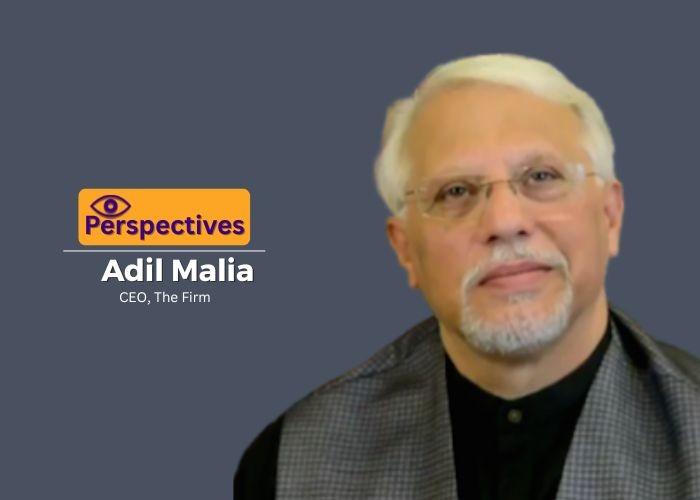
Experience Beyond the Expected
With over four decades in human resources, Adil Malia’s insights transcend standard discussions around quarterly earnings or annual strategy. From his tenure at major corporations like Godrej Group, GE Appliances, Coca-Cola, and the Essar Group, Malia has witnessed HR evolve from a personnel-focused function to a strategic enabler. Today, as CEO of The Firm, he champions a leadership philosophy grounded in adaptability, empathy, and cross-functional growth.
“Technical skills depreciate faster than smartphones; adaptability doesn’t,” Malia states, emphasizing the need for leaders to embrace agility over niche expertise.
Neuroplasticity Beats Technical Mastery
Malia argues that technical skills are rapidly diminishing in value as technology evolves at breakneck speed. Today’s must-have competency could become obsolete tomorrow. In contrast, soft skills such as empathy, resilience, and the ability to connect with people endure and continue to gain importance.
He introduces the concept of organizational neuroplasticity—the ability of an organization to rewire itself in response to disruption. “Leaders must be hired not just for what they know, but for their ability to adapt, learn and influence change,” he asserts.
Augmented, Not Artificial Intelligence
Artificial Intelligence (AI), in Malia’s view, should be reframed as Augmented Intelligence. Rather than replacing human capabilities, AI should amplify them. “AI tools should excite, not intimidate. They should be seen as partners in performance, not threats to employment,” Malia says.
He believes organizations must actively guide employees in embracing AI as a support system that sharpens thinking and accelerates action. The goal is to foster a culture of innovation—one that celebrates discovery over fear.
Contextual Talent Strategies
When it comes to the age-old debate of building talent internally versus hiring externally, Malia offers a nuanced view: “It depends entirely on your business context.”
If your industry is experiencing rapid technological shifts and volatility, it may be more effective to bring in external talent through targeted incentives and retention strategies. However, in stable environments, building and nurturing talent internally offers greater long-term value. There is no one-size-fits-all approach; strategic decisions must be tailored to the organization’s specific challenges and opportunities.
The Cross-Functional Pivot
Malia credits a pivotal career move—transitioning from HR to marketing and sales at M&S—for redefining his understanding of effective people management. “It was only when I saw HR from the lens of a different function that I realized how disconnected our programs were,” he recalls.
This experience was a wake-up call that underscored the value of cross-functional exposure. It taught him more about aligning HR initiatives with business realities than any traditional HR role could. His advice is clear: “Don’t wait for chance. Go out and seek cross-functional experiences—they’re essential for becoming a truly holistic leader.”
Home-Grown Empathy
While professional training and mentorship shaped his career, Malia attributes much of his empathetic leadership style to his upbringing. His parents, aunt, and especially his spouse played instrumental roles in nurturing his people-centric approach. “A mature, empathetic partner can help you navigate the emotional complexities of leadership,” he notes.
He believes that personal support systems are often the unsung heroes behind effective workplace behavior. These relationships can offer critical perspective during professional dilemmas, reinforcing the human element in leadership.
Empathy and Efficiency: A Delicate Balance
One of the most enduring trade-offs in leadership, according to Malia, is between empathy and efficiency. “People drive performance, but businesses need results. You can’t succeed without balancing both,” he explains.
Effective leadership isn’t about choosing one over the other. It’s about knowing when to flex empathy and when to drive performance. This dynamic balance is what distinguishes average managers from exceptional leaders.
Advice to the Next Generation
To young professionals, Malia offers some heartfelt advice: “Be curious, be uncomfortable, and be open to roles that challenge your perspective.” Cross-functional experiences, emotional intelligence, and a supportive personal network are the ingredients for leadership in an unpredictable, tech-driven world.
He concludes, “Leadership is not about mastering a function. It’s about mastering the ability to adapt, connect, and evolve.”
This article is inspired by content from Original Source. It has been rephrased for originality. Images are credited to the original source.