

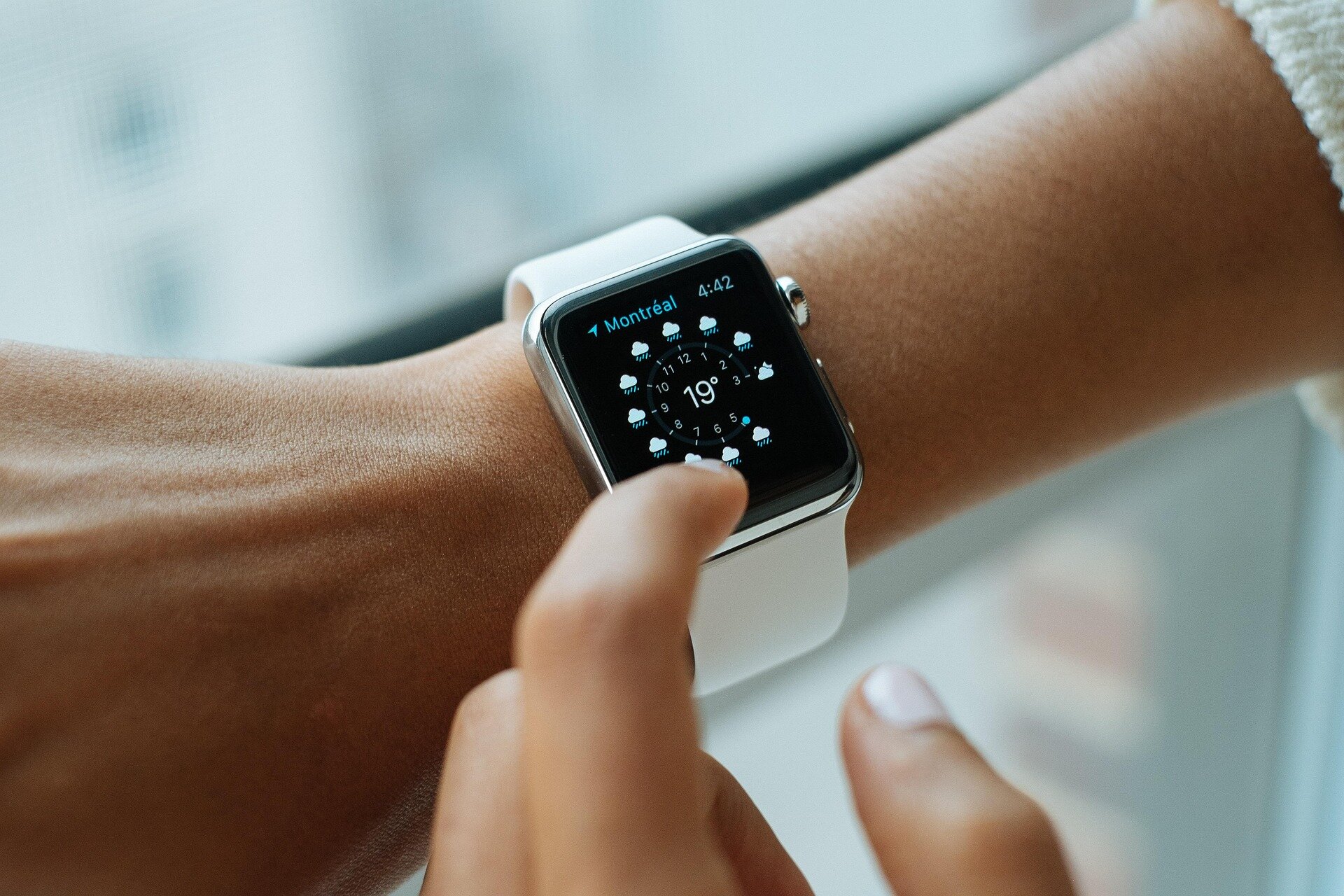
Wearable Devices Enter the Workplace
Employers are showing growing interest in wearable technologies to monitor employee well-being and performance. A recent study from the University of Surrey, published in the Human Resource Management Journal, explores how smartwatches, biosensors, and other wearables may soon become integral tools in human resource management.
These devices promise real-time insights into employee health, stress levels, and productivity. However, the adoption of such tools raises questions about privacy, consent, and ethical data use. The study offers a structured framework for integrating wearable technologies into workplaces responsibly.
Promise and Perils of Wearable Tech
According to the research, wearables can offer human resource professionals unprecedented access to live data. This includes indicators of stress before it leads to burnout, or signs of fatigue that could result in workplace accidents. However, these benefits come with significant risks if not managed properly.
“Wearables offer HR unprecedented real-time signals—pointing, for instance, to rising stress before burnout or to safety hazards before accidents,” said Dr. Sebastiano Massaro, co-author of the study and Senior Lecturer of Organizational Neuroscience at the University of Surrey. “But without robust methodological and ethical guardrails, the lines between science and pseudoscience, between real support and dangerous surveillance can quickly blur.”
The Framework for Ethical Use
The University of Surrey research team analyzed 74 case studies involving wearables in workplace settings. Their findings revealed that most implementations focus on tracking health and well-being, such as monitoring sleep quality, stress levels, and physical activity. Some even assess team dynamics, providing insights into how groups interact and collaborate.
Despite these benefits, the researchers found that many organizations lack consistent policies for data handling. Employees are often unaware of how their data is collected, stored, or used. The study emphasizes six key design principles for wearable tech implementation: informed consent, anonymization, transparency, employee autonomy, data minimization, and fair use constraints.
Transparency is Critical
The lack of transparency surrounding data usage is a major concern. Workers may become wary of being monitored without clear communication or control over their personal information. This could erode trust and diminish morale, the study warns. Effective implementation of wearables must include open policies that prioritize employee rights and data protection.
Dr. Massaro emphasized the importance of these policies: “Employers that are adopting wearables in the workplace should build transparent policies that prioritize data accuracy, consent, anonymization, and trust. Done responsibly, wearable technology could help create safer, healthier, and more responsive and productive workplaces. Done badly, it could normalize unnecessary monitoring and paradoxically increase workplace stress rather than reduce it.”
Balancing Innovation and Ethics
As wearable technology becomes more advanced and accessible, its appeal to employers will only grow. However, experts caution that organizations must navigate this landscape carefully. The study calls for clear governance structures to ensure that data is used ethically and constructively.
For example, real-time stress tracking could prompt managers to intervene early and prevent burnout. Yet, if used punitively or without consent, the same technology could alienate staff and harm company culture. Therefore, HR departments must weigh the benefits of innovation against the risks of surveillance.
Looking Ahead
Wearable technologies have the potential to revolutionize workplace health and efficiency. But without a strong ethical framework, their use could undermine employee trust and privacy. The University of Surrey’s research underscores the need for thoughtful integration of these technologies, guided by transparency, fairness, and respect for personal boundaries.
Organizations considering the adoption of wearables are encouraged to consult the full research: “Wearable Devices Methodology: Opportunities and Challenges in Human Resource Management,” published in the Human Resource Management Journal (2025).
This article is inspired by content from Original Source. It has been rephrased for originality. Images are credited to the original source.