

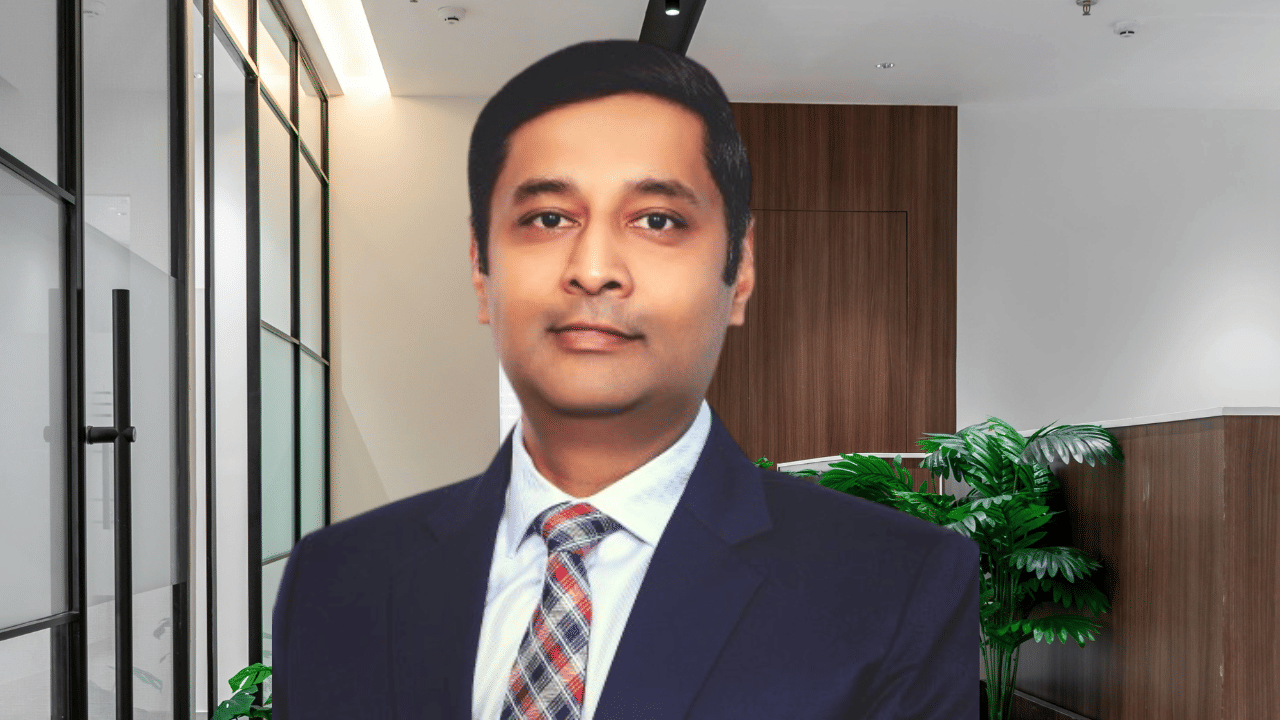
Building a Skills-First Workforce for the Future
In an era dominated by rapid technological advancements, the industrial landscape is undergoing a profound transformation. Ashish Lal, Vice President of Human Resources at Shree Digvijay Cement Company (SDHI), is at the forefront of this evolution. He is spearheading initiatives to ensure SDHI’s workforce is equipped with the right skills to thrive in an AI-driven industrial future.
The Importance of Skills-First Approaches
Lal stresses the urgency for industries to adopt a skills-first mindset rather than relying solely on traditional degrees or experience. As automation and artificial intelligence become increasingly integrated into manufacturing and industrial processes, the need for adaptable, tech-savvy employees has never been higher. According to Lal, “It’s not just about hiring for today’s needs, but about anticipating what skills will be required five or ten years from now.”
This proactive approach allows SDHI to remain competitive in an industry where change is the only constant. By prioritizing the development of both technical and soft skills, the company aims to create a resilient workforce prepared to handle emerging challenges.
Future-Proofing the Workforce
SDHI has implemented a range of programs designed to future-proof its talent pool. These include regular skills assessments, tailored training modules, and partnerships with educational institutions. The company also encourages employees to take ownership of their learning journeys, providing them with access to online courses, workshops, and mentorship opportunities.
Lal explains, “We have invested in digital learning platforms that allow our team members to upskill at their own pace. This flexibility ensures that everyone, regardless of their current role, has the opportunity to grow.”
Inclusive Career Pathways and Diversity Initiatives
One of SDHI’s core values is inclusivity. The company is committed to creating diverse and accessible career pathways for all employees. Lal notes that fostering diversity isn’t just the right thing to do—it’s also a strategic advantage. “A diverse workforce brings a variety of perspectives and ideas, which is essential for innovation. We are actively working to create equal opportunities for women, differently-abled individuals, and people from various backgrounds.”
To support this goal, SDHI has launched mentorship programs and leadership development tracks aimed at underrepresented groups. These initiatives help to break down barriers and ensure everyone can contribute to the company’s success.
Sustainable Talent Pipelines
Ensuring a steady flow of skilled talent is crucial for long-term industrial competitiveness. Lal highlights SDHI’s efforts to build sustainable talent pipelines through collaborations with universities, technical institutes, and government agencies. “We run internship and apprenticeship programs that give students real-world experience and a pathway into the industry,” he says.
These partnerships not only benefit the company but also help bridge the gap between academia and industry. By aligning educational curricula with evolving industry needs, SDHI is helping to equip the next generation of workers with relevant, in-demand skills.
Leveraging AI and Digital Tools
The integration of artificial intelligence and digital tools is a central theme in SDHI’s workforce strategy. Lal believes that AI can augment human capabilities rather than replace them. “We are focused on leveraging AI to enhance productivity and safety, streamline operations, and support decision-making,” he explains.
To facilitate this, employees are trained on the latest digital platforms and encouraged to experiment with new technologies. This culture of continuous learning and innovation ensures that SDHI remains at the cutting edge of industrial advancements.
Supporting India’s Industrial Competitiveness
SDHI’s commitment to building a skills-first, AI-ready workforce is not just about company growth—it’s also about supporting India’s broader industrial ambitions. Lal points out that as India positions itself as a global manufacturing hub, the demand for highly skilled workers will only intensify. “Our vision is to set a benchmark for the industry and contribute to India’s long-term industrial competitiveness,” he says.
By investing in people and fostering a culture of lifelong learning, SDHI is helping to shape a future-ready workforce that can drive innovation and growth in an increasingly automated world.
This article is inspired by content from Original Source. It has been rephrased for originality. Images are credited to the original source.