

The Critical Role of Human Oversight in AI-Powered HR
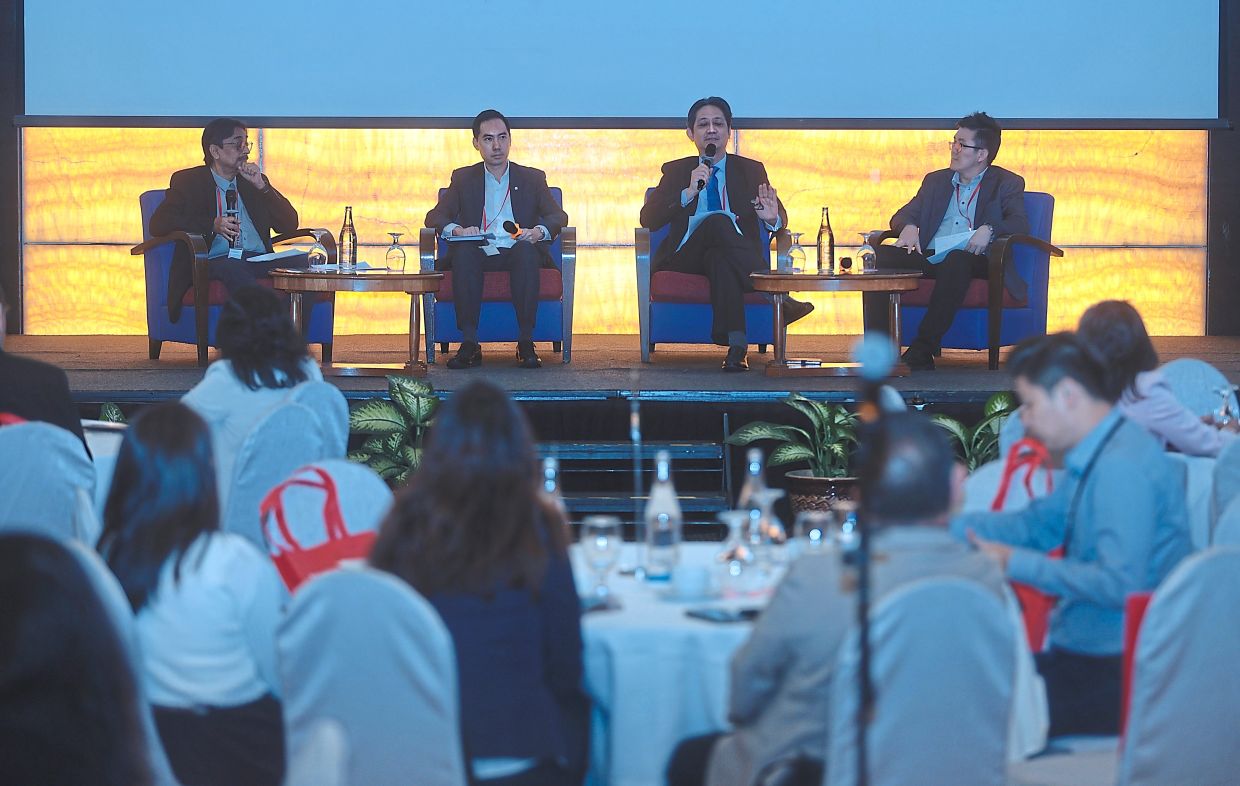
AI in human resources is rapidly transforming how organizations operate, but experts caution that human oversight remains essential to ensure fairness, accountability, and ethical standards. At the Sustainable Workforce Summit 2026 in Penang, industry leaders and academics discussed the growing integration of artificial intelligence in HR and why robust oversight mechanisms are needed to guide its responsible use.
AI Adoption in HR: Opportunities and Ethical Challenges
The use of AI in human resources is accelerating, powering everything from recruitment algorithms to employee well-being platforms. However, as the panelists at the summit noted, organizations must not lose sight of core values such as accountability and inclusivity. Jun Maria Tan Abdullah, a respected HR leader, emphasized that while AI can automate repetitive tasks and analyze vast datasets, ultimate decision-making responsibility still lies with humans. “Tasks can be delegated to AI, but the final decision must rest with humans, as accountability ultimately lies with us,” she explained.
Lawyer R. Kumarappan added that AI systems are not immune to bias. Over time, even the best-designed algorithms can develop unintended biases, especially if their training data is not diverse or regularly updated. “There must be audits and proper documentation to show how decisions are made. Human oversight is essential when AI is used to support decision-making,” Kumarappan said. This sentiment echoes a growing consensus in the HR field: ethical AI usage requires transparency, regular audits, and clear accountability frameworks.
Equipping the Workforce for an AI-Driven Future
As AI in human resources becomes more prevalent, workforce upskilling and reskilling are critical. Teoh Soon Beng, a bank executive director, highlighted the need for educational institutions to focus on developing critical thinking and ethical judgment in students. “We need human qualities such as empathy and moral judgment. When AI is used for credit assessments, there can be bias, particularly against lower-income groups or certain ethnic backgrounds,” he said.
Teoh pointed out that digitalization may reduce the need for traditional job roles like bank tellers, but new opportunities are emerging in areas such as digital advisory and compliance. “Bank tellers can be upskilled to take on these roles, expanding their scope. Automation works well for repetitive and high-volume tasks, but human input is still needed for critical thinking and ethical judgment,” he explained. The rise of compliance-related jobs underscores the ongoing need for human expertise alongside AI tools.
Collaboration Between Industry and Education
Dr. Choo Yeong Khong, director at a leading university’s experiential learning center, urged industry players to share insights on workforce needs. This collaboration helps higher education institutions adapt their curriculum to better prepare students for AI in human resources and related fields. “By sharing your needs, we can better prepare students and enhance our curriculum,” Dr. Choo said.
M. Hemalatha, chief executive of Inti International College Penang, echoed this view, emphasizing that businesses must take a proactive approach to talent development as AI continues to reshape industries. “Our postgraduate programs focus on upskilling and reskilling talent, with strong emphasis on AI, digitalization, and automation to ensure a sustainable talent pipeline,” Hemalatha explained. Regular dialogue between academia and industry is crucial to keep education aligned with real-world HR challenges and ensure graduates are ready for the evolving workplace.
Building a Sustainable and Ethical Future for HR
As organizations expand their use of AI in human resources, maintaining human oversight is not just a best practice—it’s a necessity. AI offers immense potential to improve efficiency and decision-making, but only when guided by strong ethical frameworks and human judgment. The Sustainable Workforce Summit 2026 made it clear: preparing the workforce for AI means investing in critical thinking, upskilling, and ongoing collaboration between businesses and education providers. The future of HR relies on technology and humanity working hand-in-hand.
This article is inspired by content from Original Source. It has been rephrased for originality. Images are credited to the original source.