

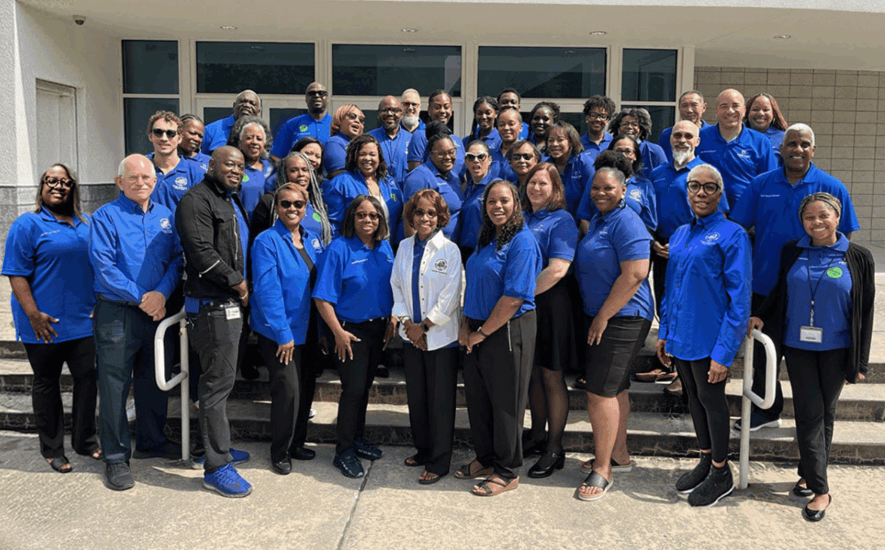
DeKalb County’s Digital HR Policy Council Drives Transformation
DeKalb County, Georgia recently made a significant leap in employee engagement by digitizing its HR policy council meetings. This innovative move has not only increased participation but has also led to a substantial reduction in workplace grievances. The transition to digital HR meetings is helping DeKalb County modernize its approach to human resources, providing a model for other public sector organizations seeking to boost efficiency and employee satisfaction.
The Shift to Online HR Policy Council Meetings
Recognizing the challenges of coordinating meetings across more than 200 locations and 45 departments, DeKalb County’s Human Resources and Merit System team moved their quarterly HR policy council meetings online. According to Jadia Haynes, interim Human Resources director, the digital format allows for real-time engagement and streamlined communication, making it easier for employees to voice concerns and stay informed about policy changes.
The convenience of digital HR meetings means that employees no longer need to spend hours commuting to and from a physical venue. Before the switch, participating in a council meeting could take up to three hours out of a staff member’s day. Now, the meetings are accessible from anywhere, helping boost attendance and productivity.
Measurable Benefits: Increased Attendance and Fewer Grievances
The impact of digital HR meetings has been remarkable. Attendance at policy council meetings has soared by 67%, jumping from an average of 75 participants to 126. This surge can be attributed to the flexibility and ease of joining remotely. Employees can now participate without sacrificing significant amounts of time, leading to a more inclusive and engaged council.
Moreover, the county has seen a 50% reduction in employee grievances since moving to digital HR meetings. The improved efficiency extends beyond attendance, with Family and Medical Leave Act (FMLA) processing times improving by 50% for DeKalb County’s 6,600 employees. These metrics underscore the value of embracing technology to improve HR processes and employee relations.
Enhanced Engagement Through Virtual Tools
One of the standout features of online meetings is the increased interactivity enabled by virtual platforms like Zoom. Attendees can submit questions through chat, enabling more voices to be heard. Katherine Furlong, interim deputy director of the Human Resources Information Systems Division, notes that the chat feature encourages participation, especially from those who may feel less comfortable speaking up in traditional settings.
This new approach to digital HR meetings allows the HR team to review meeting transcripts and chat logs to identify recurring questions and concerns. By following up on items that may not have been addressed during the meeting, the HR department demonstrates a commitment to transparency and continuous improvement.
Positive Employee Feedback and Broader Impact
The response from DeKalb County employees has been overwhelmingly positive. According to survey data, 88% of department liaisons feel more informed and aligned with HR policies after participating in digital HR meetings. County leaders, such as Kevin Buford of Parks and Recreation and Debra DeBerry, Clerk of Superior Court, have praised the value of the policy council’s digital transformation. Employees appreciate the flexibility and the feeling that their input is both welcomed and acted upon.
By leveraging digital tools, DeKalb County is setting a powerful example for other organizations looking to improve employee engagement. The shift to digital HR meetings is not just a response to logistical challenges; it is a proactive strategy for building a more transparent, responsive, and inclusive workplace culture.
Lessons for Other HR Teams
The success of DeKalb County’s digital HR meetings demonstrates the potential of technology to foster stronger connections between HR departments and employees. For organizations aiming to enhance employee engagement, adopting digital meeting platforms can deliver immediate benefits in participation, efficiency, and overall satisfaction.
Ultimately, digital HR meetings are more than a convenience—they are a catalyst for positive change, helping HR leaders address employee needs more effectively and shape a healthier organizational culture.
This article is inspired by content from Original Source. It has been rephrased for originality. Images are credited to the original source.