

Department of Energy Embraces AI-Driven HR Modernization
The Department of Energy (DOE) is taking significant steps to enhance its HR modernization strategy by leveraging artificial intelligence (AI) capabilities, according to agency officials. This initiative is part of a broader effort to optimize talent management and improve employee experience across the organization. AI-enabled self-service features and personalized learning opportunities are at the forefront of DOE’s new focus, reflecting a growing trend in HR modernization across federal agencies.
AI-Enabled Self-Service Features Lead the Transformation
One of the DOE’s primary goals is to introduce AI-powered self-service features that help employees quickly access the information they need. These features aim to streamline workflows, reduce administrative burdens, and empower staff to take greater control over their HR needs. According to John Walsh, DOE’s Chief Learning Officer and Director of the Office of Workforce Technology and Development, centralizing these tools within a single platform will boost efficiency and user satisfaction.
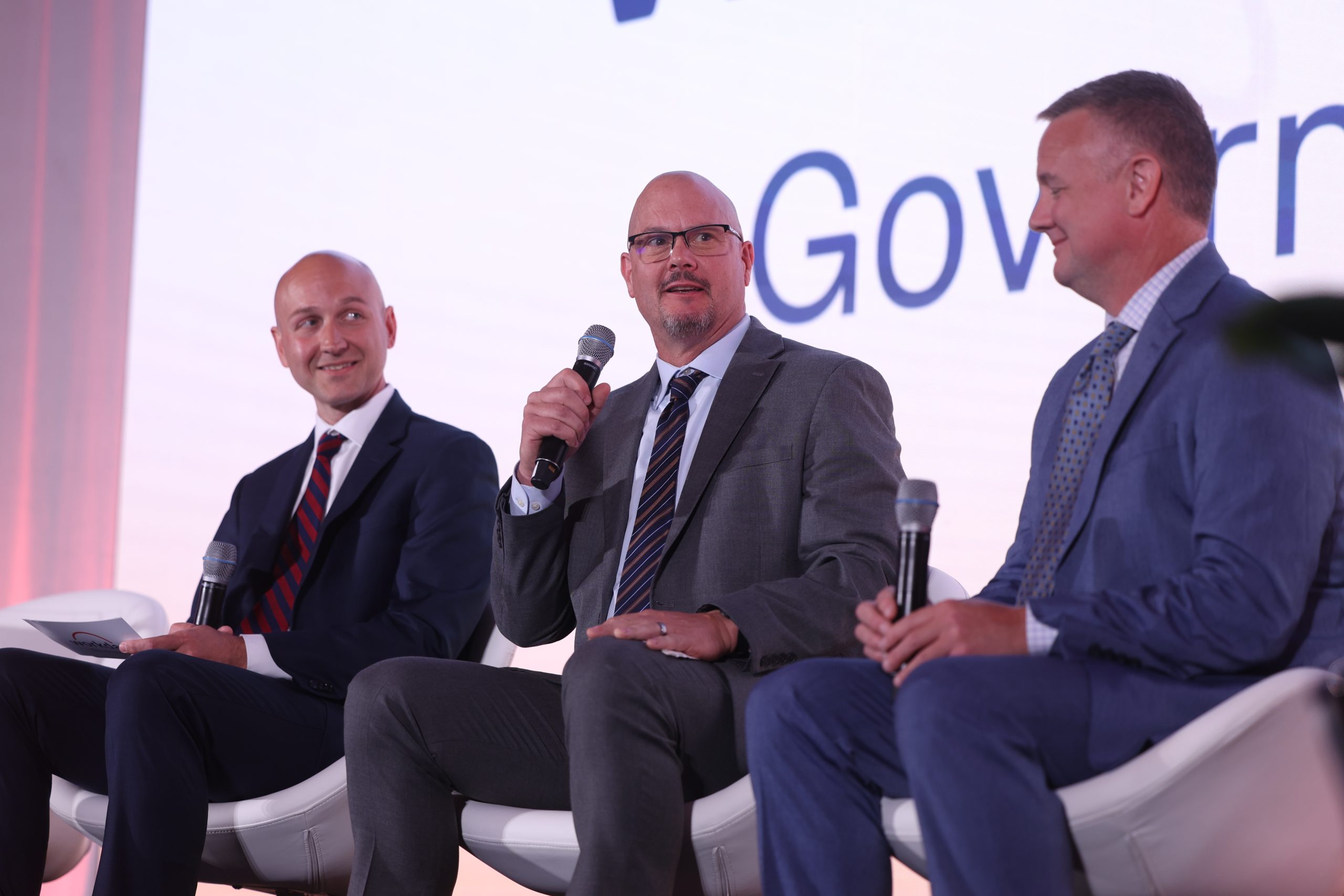
“The thing I’m most excited about is having all that within one centralized system,” Walsh stated during a recent FedScoop event. AI-enabled self-service features are expected to expedite routine HR tasks, such as accessing personnel records, updating information, and finding relevant policies or benefits.
Personalized Learning Opportunities with AI Integration
Another key aspect of DOE’s HR modernization efforts is aligning learning and development opportunities with the specific needs of individual employees. By utilizing AI, the agency can analyze employee data to recommend training programs and career development paths tailored to each worker’s skill set and aspirations. Over the next three to six months, DOE plans to pilot these AI applications, hoping to foster a culture of continuous learning and professional growth.
Walsh noted that since the launch of their new human capital management platform, powered by Workday Government, the department has already seen increased engagement. In just six months, over 14,000 unique visitors have accessed custom dashboards, and 5,000 individual personnel reports have been generated.
Overcoming Change Management Challenges
Implementing a comprehensive HR modernization project comes with its share of challenges, particularly regarding change management. Transitioning employees from legacy systems to a modern, centralized platform requires careful planning and ongoing support. Walsh acknowledged difficulties in acclimating staff to new technologies but emphasized that the process is steadily improving as users adapt to the enhanced capabilities.
“It’s only going to get better, it’s only going to get more efficient, and we’re only going to see steady increases,” Walsh affirmed. The positive momentum suggests that effective change management strategies are crucial to realizing the full benefits of HR modernization.
Federal Push for Core HCM Consolidation
The DOE’s efforts align with a broader push from the White House and the Office of Personnel Management (OPM) to centralize federal agencies’ talent platforms. The Federal HR 2.0 initiative, announced in December, outlines a two-year plan for agencies to transition to a unified core human capital management (HCM) system. OPM has instructed agencies to pause independent core HCM procurement and modernization projects, except for critical or time-sensitive needs.
Although Workday was briefly awarded a sole-source contract for federal HR services in 2025, the contract was rescinded a week later. Reports indicate that Workday remains a leading contender for future federal HR system contracts, reflecting the high stakes involved in establishing a reliable and scalable core HCM solution.
Legacy System Limitations and Modernization Drivers
DOE’s previous HR system was a closed, isolated platform that lacked integration with other agency systems. This disconnect hindered access to core personnel data and made maintenance costly. As Todd Brinson, DOE’s Deputy CIO of Enterprise Operations and Shared Services, highlighted, the legacy system’s limitations made the case for HR modernization compelling. High maintenance costs and inadequate data capabilities prompted the agency to seek modern solutions that emphasize data quality and interoperability.
“You really have to understand what your data is doing. You absolutely have to get it right,” Brinson emphasized, underscoring the importance of robust data management in any successful HR modernization project.
Looking Ahead: AI and Data Quality as Strategic Pillars
As the DOE continues its journey toward a fully modernized, AI-enabled HR infrastructure, the focus remains on supporting employees with intuitive, responsive tools and driving organizational efficiency. By prioritizing data quality and leveraging advanced technologies, the agency is setting a standard for HR modernization in the public sector. The success of these initiatives could serve as a model for other federal agencies seeking to upgrade their workforce management systems.
This article is inspired by content from Original Source. It has been rephrased for originality. Images are credited to the original source.