

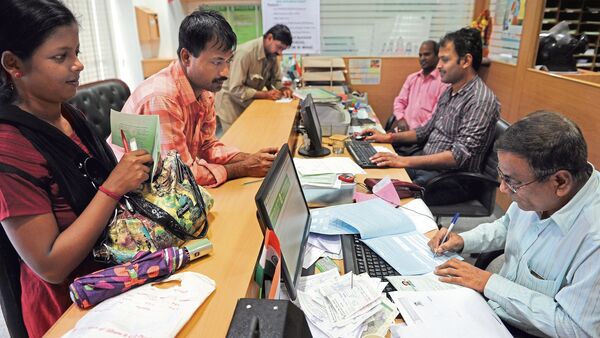
HR Overhaul in PSU Banks: A New Era of Transparency
Public sector banks (PSBs) in India are undergoing a significant transformation, as the government moves to introduce HR automation in banking to address long-standing concerns about transparency and workplace culture. This initiative, driven by the Union finance ministry, aims to modernize human resource practices and benefit more than 750,000 employees across 12 PSBs.
The Need for Change: Addressing Workplace Challenges
For years, employees at India’s PSBs have voiced frustration over opaque transfer and promotion policies, which often led to uncertainty and stagnated career growth. These outdated HR practices have not only hampered morale but, in extreme cases, have been linked to tragic outcomes, including suicides tied to excessive pressure and a lack of support.
Recognizing these challenges, the government is now pushing for HR automation in banking, focusing on reducing human involvement in sensitive processes like promotions and transfers. By shifting these critical functions to digital platforms, the reform seeks to minimize bias, speed up decision-making, and create a fairer environment for all employees.
Key Reforms: Automation and Streamlined Processes
Central to this overhaul is the directive for PSBs to automate their annual transfer and promotion exercises. Banks have been instructed to initiate promotion processes as early as January or February, with results announced by March 31, significantly reducing delays and uncertainty for employees.
Transfers, too, will be managed through dedicated digital portals, ensuring decisions are based on transparent criteria such as seniority and performance, rather than subjective judgments. These systems promise to enhance accountability and trust within the banking sector, marking a decisive shift from legacy practices.
Building Future-Ready Talent and Culture
The government’s reform agenda extends beyond administrative automation. PSBs are being encouraged to invest in professional development by promoting cross-bank training, partnering with leading educational institutions, and establishing Centres of Excellence. Sharing best practices and case studies across banks will foster continuous learning and help build robust leadership pipelines.
Industry leaders, including union representatives, have welcomed these moves toward HR automation in banking but emphasize that true transformation also requires addressing deeper issues of workplace culture. Employees often face not only procedural delays but also intimidation, humiliation, and excessive pressure. Experts stress the importance of empathetic leadership, respectful communication, and supportive work environments to ensure lasting positive change.
Sector Significance and Employee Wellbeing
PSBs play a pivotal role in implementing flagship government schemes like the Pradhan Mantri Mudra Yojana, Jan Dhan Yojana, and others. The effectiveness of these programs depends heavily on a motivated and well-supported workforce. Recent tragedies involving Bank of Baroda employees have cast a spotlight on the urgent need for reforms that prioritize both operational efficiency and employee wellbeing.
According to the National Crime Records Bureau, professionals and salaried workers—many from the banking sector—comprised nearly 10% of all suicides in 2024, underscoring the high stakes of workplace stress. In response, banks are reaffirming their commitment to fostering supportive environments and expanding employee wellness initiatives alongside the push for HR automation in banking.
Positive Financial Momentum and Workforce Trends
The timing of this HR transformation coincides with strong financial results for PSBs. In FY26, these banks reported robust business growth, improved asset quality, and record profitability. Aggregate business rose by 12.8% year-on-year, with deposits and advances also seeing healthy increases. Net profits reached ₹1.98 trillion, marking a fourth consecutive year of upward momentum.
Employment trends reflect cautious optimism: state-run bank headcounts edged up slightly, while private banks saw a modest decline. These figures highlight the continued importance of effective HR management in sustaining sector growth and stability.
Looking Ahead: Toward a Transparent, Empathetic Workplace
The government’s initiative to implement HR automation in banking signals a new chapter for India’s PSBs. By leveraging technology to ensure fair, timely, and transparent HR processes, and by addressing workplace culture at its core, the sector can look forward to building healthier, more resilient teams and delivering better outcomes for both employees and customers.
This article is inspired by content from Original Source. It has been rephrased for originality. Images are credited to the original source.