

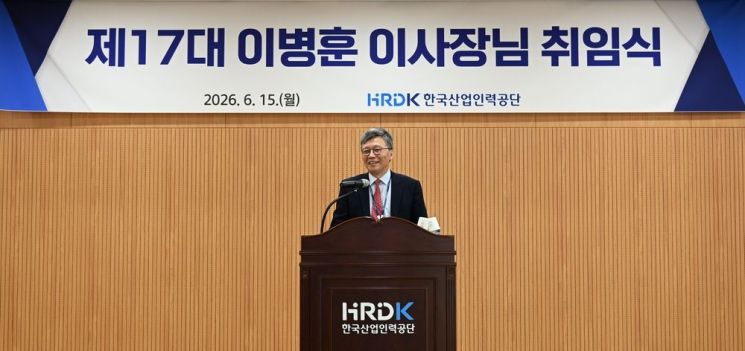
Byung-Hoon Lee Sets Ambitious Path for K-HRD in the AI Era
Byung-Hoon Lee, the newly appointed Chairman of the Human Resources Development Service of Korea (HRD Korea), has outlined a bold vision to transform Korean workforce development in the era of artificial intelligence. In his inaugural address, Chairman Lee emphasized the vital role of workforce management in adapting to rapid AI-driven change and positioning Korea as a global leader in human resource development (HRD).
Four Pillars of HRD Innovation
Chairman Lee’s strategy for HRD Korea is anchored on four major pillars: strengthening tangible HRD services for the public, building a high-performance organization, creating a happy workplace, and advancing win-win management. These pillars are designed to ensure that workforce management in Korea keeps pace with digital transformation and industrial restructuring.
He announced plans to expand custom HRD services tailored to every stage of the career lifecycle, with a special focus on supporting vulnerable groups in the labor market. By enhancing workforce management systems, HRD Korea aims to deliver services that foster public trust and satisfaction.
AI-Driven Upskilling and Reskilling
Acknowledging the disruptive potential of artificial intelligence, Lee highlighted the urgent need for upskilling and reskilling programs. “We will reinforce our upskilling and reskilling systems to ensure Korea’s workforce remains agile and competitive,” he stated. This approach will empower employees to meet the demands of evolving industries and help maintain Korea’s status as a hub for innovation.
Lee’s vision also includes the integration of AI-based digital transformation across all HRD Korea operations. This means leveraging data-driven insights to improve workforce management, performance evaluation, and training systems. By embracing these technologies, HRD Korea is set to become a model for public institutions worldwide.
Building a High-Performance, People-Centric Organization
Central to Lee’s plan is the creation of a high-performance organization rooted in autonomy and accountability. He stressed the importance of performance-based management and continuous professional development for staff. “We will foster a culture of excellence and ensure that every employee is empowered to contribute meaningfully to the organization’s mission,” Lee explained.
Workforce management improvements are not limited to operational efficiency. Lee is equally committed to enhancing employee wellbeing. He pledged to establish systems that support work-life balance and introduce programs designed to recharge and boost staff morale. “The happiness of our staff is the foundation for the organization’s development,” he noted, underlining the human aspect of workforce management.
Labor-Management Cooperation and ESG Commitments
In line with global trends, Lee placed significant emphasis on environmental, social, and governance (ESG) management. He committed to pursuing carbon neutrality and fostering a culture of labor-management cooperation. “We will guarantee the role of employee directors and establish an exemplary labor-management culture through dialogue and compromise,” Lee said.
By nurturing trust-based relationships among employees, HRD Korea aims to set a standard for mutually beneficial labor-management practices. This focus on collaborative workforce management not only enhances organizational effectiveness but also positions HRD Korea as a benchmark for public sector institutions.
Global Aspirations for K-HRD
Lee’s ultimate goal is to develop the K-HRD model into a globally recognized standard. He envisions Korea’s workforce management strategies inspiring similar institutions around the world, particularly as organizations everywhere face the challenges of digital transformation and AI adoption.
“Above all, I will value the time spent building trust by meeting with each and every staff member,” Lee concluded. “I will ensure that we achieve changes recognized and felt by the public.” His approach reflects a deep understanding of the strategic importance of workforce management in today’s fast-changing world.
By integrating AI, prioritizing staff wellbeing, and fostering labor-management harmony, Lee’s leadership promises to steer HRD Korea into a new era of excellence—one where workforce management sets the standard for innovation, inclusivity, and sustainability.
This article is inspired by content from Original Source. It has been rephrased for originality. Images are credited to the original source.