

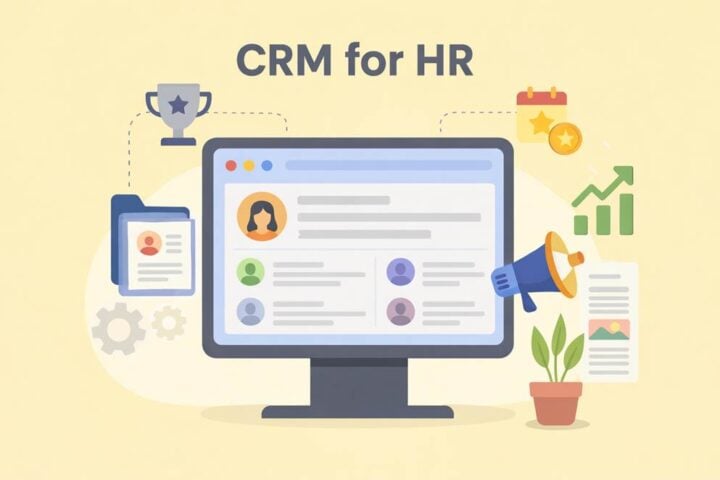
AI-Powered CRM: The Future of HR Operations
The evolving dynamics of modern workplaces are placing increasing pressure on human resources (HR) departments to adapt swiftly. Traditional HR practices, once reliable, now struggle to keep pace with the growing complexity of employee management, especially in an era of hybrid and remote work environments. Enter AI-powered Customer Relationship Management (CRM) tools—purpose-built solutions reshaping how HR operates.
Though the term “AI” often evokes thoughts of hype, its application in HR technology is far from superficial. AI-enhanced CRM platforms offer a transformative approach to managing recruitment, onboarding, employee engagement, performance tracking, and compliance. By automating repetitive tasks and providing predictive insights, these tools empower HR teams to focus on strategic initiatives that drive organizational success.
Understanding AI-Driven CRM for HR
At its core, AI-powered CRM for HR integrates artificial intelligence capabilities with traditional CRM functionalities. Originally designed to manage customer interactions, CRMs now help HR departments build and maintain meaningful relationships with employees throughout their lifecycle.
AI capabilities enhance these systems by enabling data-driven decision-making, automating administrative tasks, and offering personalized recommendations. From streamlining talent acquisition to fine-tuning employee engagement strategies, AI-powered CRMs are elevating HR operations to new levels of efficiency and effectiveness.
Key Use Cases of AI-Powered CRM in HR
1. Smarter Recruitment Processes
One of the most impactful uses of AI in HR is in recruitment. Screening hundreds of resumes manually can be a daunting task. AI can automate resume analysis, rank candidates based on qualifications, and predict future job performance using historical data. This reduces time-to-hire and improves the quality of new hires.
Moreover, these systems help eliminate unconscious bias by focusing purely on data and qualifications, contributing to more inclusive hiring practices.
2. Streamlined Onboarding
Onboarding sets the tone for an employee’s experience within an organization. AI-driven CRMs simplify this process by automating document management, assigning tasks, and curating personalized onboarding journeys. New hires receive tailored training content and schedules aligned with their specific roles, leading to quicker integration and improved job readiness.
3. Personalized Engagement and Retention
Maintaining high levels of employee engagement is critical, especially in large or distributed teams. AI tools analyze patterns in employee interactions, feedback, and usage of internal systems to gauge sentiment and identify disengagement risks. These insights enable HR to take timely, personalized actions to boost morale and retention.
Additionally, AI can recommend learning and development opportunities aligned with employees’ career goals, enhancing job satisfaction and loyalty.
4. Continuous Performance Management
Traditional annual performance reviews are often ineffective in capturing day-to-day contributions. AI-powered CRM systems enable real-time feedback loops, allowing continuous performance tracking and coaching. These platforms aggregate input from peers, managers, and self-assessments to offer a holistic view of performance.
AI also suggests individualized development plans, ensuring employees receive support tailored to their strengths and growth areas.
5. Predictive Analytics for Strategic HR
One of AI’s most powerful features in HR is predictive analytics. By examining historical data, AI can forecast employee turnover, predict training outcomes, and identify high-potential talent. This allows HR leaders to plan proactively, rather than reactively, ensuring that workforce strategies are based on solid data.
For instance, if the system identifies an employee at risk of leaving, HR can intervene with targeted retention efforts, such as personalized career development or role adjustments.
6. Simplified Compliance Management
Compliance is a critical yet complex aspect of HR, especially for organizations operating across multiple regions. AI-powered CRMs automate compliance tracking by keeping employee records accurate, secure, and audit-ready. These systems monitor changes in labor laws and automatically flag areas requiring updates.
This proactive approach minimizes legal risks and ensures that HR policies remain aligned with regulations across all jurisdictions.
Benefits of AI-Driven CRM Tools for HR
Adopting AI-powered CRM solutions brings a multitude of benefits:
- Enhanced Efficiency: Automating routine tasks frees up HR professionals to focus on strategic work.
- Data-Driven Decision Making: Predictive insights improve recruitment, retention, and talent management strategies.
- Improved Employee Experience: Personalized engagement and development plans boost employee satisfaction and retention.
- Cost Savings: Operational efficiencies reduce overhead and optimize resource utilization.
- Stronger Compliance: Automated tracking ensures adherence to labor laws and internal policies.
Frequently Asked Questions
What is CRM HR software?
CRM HR software combines relationship management tools with HR functionalities, using AI to automate tasks and provide real-time insights.
Can AI improve recruitment?
Yes. AI automates resume screening, ranks candidates, and predicts job success, streamlining the hiring process and reducing bias.
Is AI suitable for employee engagement?
Absolutely. AI analyzes behavior and feedback to tailor engagement strategies, enhancing satisfaction and reducing turnover.
Can small businesses use AI-powered CRM HR tools?
Yes. Many platforms offer scalable solutions suitable for small to medium enterprises, not just large corporations.
How does AI help with performance management?
AI enables real-time feedback, performance tracking, and personalized coaching, creating a more effective performance culture.
Conclusion
AI-powered CRM tools are redefining the role of HR in modern organizations. Far from being mere buzzwords, these technologies offer real-world value—from streamlining recruitment and onboarding to enhancing engagement, performance, and compliance. As businesses continue to evolve, so too must their HR strategies. Integrating AI into HR systems is no longer optional—it’s essential for staying competitive and fostering a thriving workplace culture.
This article is inspired by content from Original Source. It has been rephrased for originality. Images are credited to the original source.