

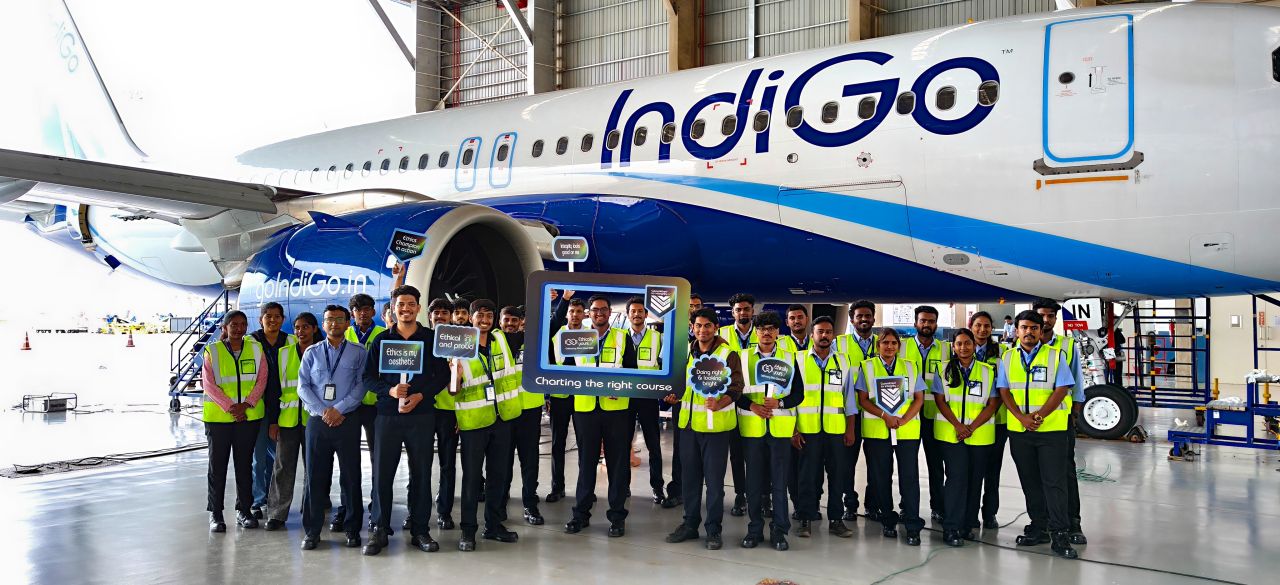
Shifting Focus to Skilled Workforce in Indian Aviation
As India’s aviation industry continues to expand at an unprecedented rate, the spotlight is now turning toward the critical need for human capital. The recent operational disruptions experienced by IndiGo, the country’s largest airline, in December 2025 emphasized the significance of human resources such as pilots, ground personnel, and support staff. While airline headlines have long been dominated by massive aircraft orders, the real challenge now lies in execution, which hinges on a robust and well-trained workforce.
The Backbone of Growth: Human Capital
India’s aviation sector is poised to become the third-largest in the world, with passenger traffic expected to surpass 500 million by 2030. This surge in air travel, bolstered by ambitious aircraft orders from IndiGo and Air India totaling over 1,700 units, demands a substantial increase in skilled professionals. Estimates suggest that India will require between 150,000 to 200,000 aviation professionals by 2035. This includes pilots, cabin crew, engineers, air traffic controllers, and ground staff.
Human capital is not just a support function—it is the engine of safety, efficiency, and reliability in aviation. Each new aircraft represents not just a technological advancement but also an intricate web of human expertise required to operate and maintain it.
Infrastructure and Workforce Challenges
While India’s airport infrastructure is expanding through new terminals and regional connectivity initiatives, the scale of growth is placing intense pressure on the available workforce. Ground staff, security personnel, maintenance engineers, and operations coordinators are in high demand. The maintenance, repair, and overhaul (MRO) segment is also booming, requiring technicians trained in new-generation aircraft technologies.
However, the pace of fleet expansion is outstripping talent development, leading to operational delays and disruptions. For instance, pilot demand is forecasted to reach 22,400 by 2030, yet the current pool is only about 12,000. The gap is projected to widen unless immediate action is taken to scale training and recruitment.
Training and Skill Development
Training pipelines need to be accelerated and aligned with industry demands. Pilots require commercial pilot licenses (CPL), type ratings, and psychological aptitude. Engineers and technicians must secure certifications for specific aircraft types. Cabin crew must be adept in both safety procedures and customer service, while ground staff must handle increasingly complex, multi-functional roles.
Initiatives such as the Aerospace and Aviation Sector Skill Council (AASSC) under the Skill India program are working to bridge the gap by developing standards for 72 job roles and offering short-term training modules. Meanwhile, Air India is setting up its Flight Training Organization in Amravati, aiming to produce skilled personnel domestically. Their Cadet Pilot Programme, in collaboration with U.S. partners, is also contributing to the talent pool by offering complete licensing and type rating training.
Retention and Global Competition
One of the major challenges is retaining talent. Indian aviation professionals are highly sought after internationally, especially by carriers in the Middle East and Southeast Asia. These airlines often offer better compensation packages and working conditions, drawing talent away from domestic carriers.
To counter this trend, Indian airlines must create competitive and supportive work environments. While changing government tax structures may be beyond their control, improving workplace culture, offering career growth, and providing better training infrastructure can make a significant difference.
Retention is as critical as recruitment. Losing trained professionals to international airlines is a double blow—both in terms of operational capacity and the cost of training replacements.
The Role of HR in Aviation Safety and Performance
Human resource management plays a pivotal role in ensuring aviation safety—the industry’s top priority. By implementing rigorous training programs, airlines can minimize human error, reduce insurance costs, and enhance operational reliability. HR also fosters a safety-focused culture, which is essential in high-risk environments like aviation.
Furthermore, HR serves as a bridge between academia and the industry, ensuring that the curriculum and skillsets match real-world requirements. This includes emphasizing soft skills such as communication, stress management, and situational awareness, in addition to technical competencies.
Future Outlook: Technology and Collaboration
Looking ahead, the integration of Artificial Intelligence and data analytics is expected to revolutionize recruitment and talent management in aviation. Smarter assessments, predictive hiring models, and performance analytics will help airlines build more resilient workforces. Government-industry collaboration under the Skill India initiative must continue to scale up training infrastructure rapidly to meet the future demand.
By 2030, the number of pilots and skilled aviation professionals will need to nearly double. This growth presents not just a challenge, but an opportunity to turn India into a global aviation hub, supported by a strong, skilled workforce.
This article is inspired by content from Original Source. It has been rephrased for originality. Images are credited to the original source.