

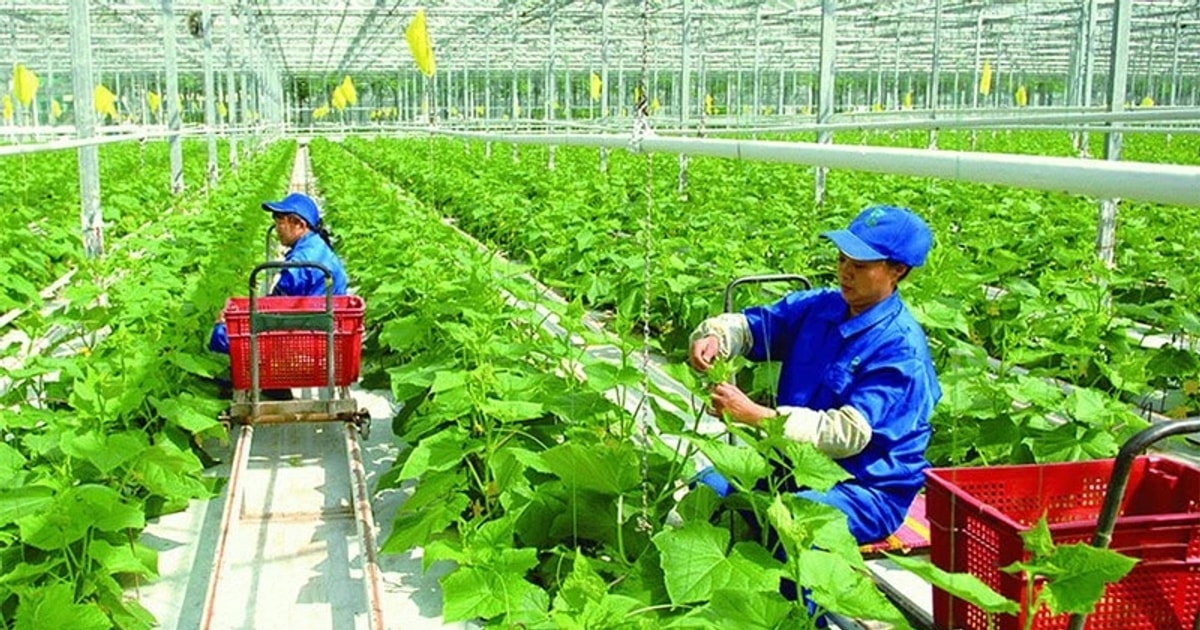
Lawmakers Emphasize Urgency in Agricultural Human Resources
On November 20, lawmakers convened at the 15th National Assembly’s 10th session to deliberate draft amendments to various educational laws and a resolution aimed at implementing Resolution No. 71-NQ/TW of the Politburo. This resolution centers on making breakthroughs in education, training, and human resource development, with a strong focus on strategic sectors such as agriculture.
Deputy Nguyen Thi Lan of Hanoi voiced a strong call to prioritize the agricultural sector in national education and workforce strategies. She emphasized that despite its critical importance, agriculture and related disciplines struggle to attract young professionals.
Vital Sectors Face Talent Shortages
Agricultural domains—such as soil science, crop science, animal husbandry, plant protection, agricultural business, rural development, agricultural extension, disaster prevention, fisheries, and forestry—are facing a severe shortage of skilled human resources. These fields are essential not only for national food security but also for adapting to climate change and ensuring sustainable development in rural areas.
However, the reality is discouraging. These sectors are often perceived as less attractive due to their physically demanding nature, limited income potential, and a lack of supportive policies. As a result, students are increasingly disinterested in pursuing careers in these crucial areas.
Proposed Mechanisms for Attracting Talent
Drawing on successful international models, Deputy Lan proposed a series of targeted measures to reverse this trend. These include:
- Sector-specific scholarships to reduce the financial burden on students
- Preferential student loan programs tailored to agricultural disciplines
- Training orders that guarantee job placements upon graduation
- Substantial investments in laboratories and practical education models
These initiatives aim to make agricultural studies more appealing and viable for prospective students while ensuring that the country develops a competent workforce to support its long-term goals.
Stronger Collaboration Between Schools and Industry
To bridge the gap between education and employment, Deputy Lan stressed the need for enhanced collaboration between academic institutions and agricultural enterprises. This partnership could ensure that educational programs are aligned with real-world demands, thereby improving job prospects for graduates and addressing industry requirements more effectively.
Lan also advocated for the establishment of a national human resource forecasting mechanism by sector. Under this system, the government would periodically publish forecasts that would guide educational institutions in designing curriculums and allocating resources. This proactive approach could help balance supply and demand in the labor market more efficiently.
Early Childhood Education in Remote Areas
Another key issue raised during the session was the state of early childhood education, especially in mountainous and ethnic minority regions. Deputy Ly Thi Lan from Tuyen Quang highlighted that without significant investment in early education, broader educational goals would remain out of reach.
She pointed out the unique challenges facing these communities, including difficult terrain and limited access to educational infrastructure. To address these issues, she recommended:
- Organizing main schools and smaller satellite classes to reach remote areas
- Ensuring adequate staffing for preschools
- Providing minimum facilities and resources to support early learning
These structural and logistical enhancements are seen as essential for improving educational outcomes and creating equal opportunities for children, regardless of their geographic location.
Looking Ahead: A Unified Strategy for Human Resource Development
The discussions during the session underscored the urgent need for a unified and strategic approach to human resource development across all sectors. Agriculture, in particular, requires immediate attention due to its foundational role in food security, rural livelihoods, and environmental sustainability.
By integrating targeted incentives, modern educational practices, and industry collaboration, Vietnam can build a resilient agricultural workforce prepared to meet future challenges. Moreover, focusing on early childhood education in underprivileged areas will lay the groundwork for more equitable and effective national development.
This article is inspired by content from Original Source. It has been rephrased for originality. Images are credited to the original source.