

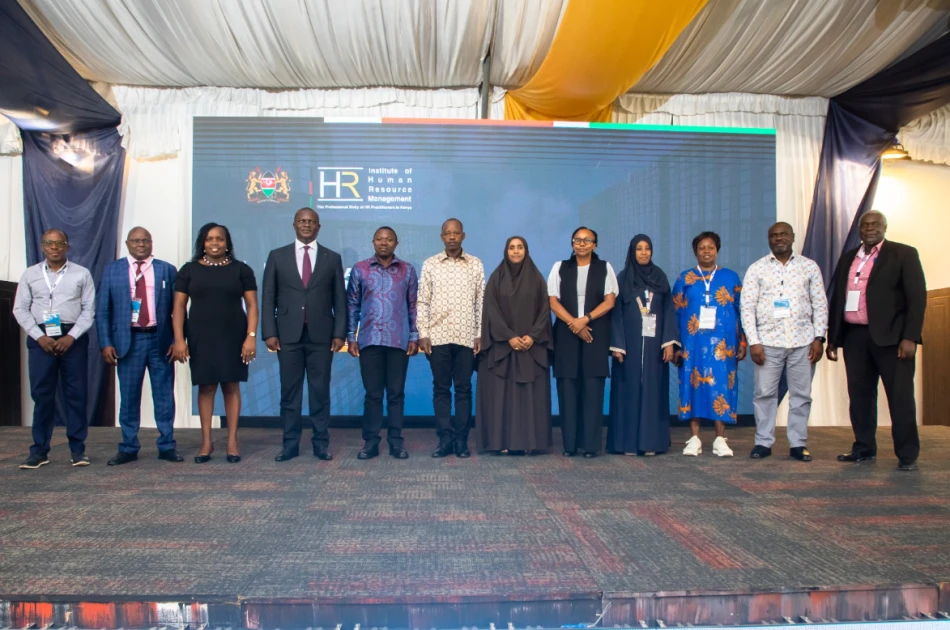
HR Professionals Lead the Charge for Accountability
Accountability and ethical leadership are quickly becoming essential pillars in the evolving landscape of human capital management. At the 12th Annual National HR Congress held in Mombasa, Kenya, HR professionals were urged to take a more active role in championing these values as the nation faces growing demands for good governance and institutional reform.
During the event, Odero Phillip Dalmas, National Chairman of the Institute of Human Resource Management (IHRM), emphasized the unique position HR professionals occupy in shaping responsible institutions. According to Dalmas, the drive for accountability and ethical leadership must be embedded into the core of Kenya’s workplace culture, extending far beyond traditional people management duties.
The Evolving Role of HR in Institutional Governance
Dalmas addressed delegates from various sectors—including government, industry, and academia—highlighting the vital need for HR professionals to be at the forefront of conversations on transparency and good governance. He pointed out that human capital excellence is now defined not only by effective management of people but also by the ability to foster a culture where accountability and ethical leadership are non-negotiable.
“Human capital excellence is not only about managing people, but it is also about embedding accountability, discipline and ethical leadership into the very fabric of our institutions,” Dalmas noted. This sentiment resonated deeply with attendees, who acknowledged that the HR profession must evolve to meet the challenges of a rapidly changing workplace.
Regulatory Changes and Professional Development Initiatives
To support these ideals, the IHRM Council has implemented stronger regulations within the HR profession. Dalmas detailed recent efforts to enforce registration and licensing mandates as outlined in the Human Resource Management Professionals Act. These measures ensure that those who practice HR in Kenya adhere to higher standards of integrity and professionalism.
Additionally, the IHRM has introduced policies such as Continuing Professional Development (CPD) to keep HR practitioners up to date with the latest workplace trends and governance requirements. These initiatives are designed to maintain relevance and competitiveness in a dynamic employment landscape, further reinforcing the culture of accountability and ethical leadership.
Harnessing the Potential of Kenya’s Youthful Workforce
The congress also spotlighted Kenya’s young workforce as a key national asset. Dalmas stressed that organizations must harness this demographic advantage through deliberate inclusion, skills development, and a commitment to accountability. “The institutions that will thrive are those that invest in people, uphold integrity and lead with purpose,” he said, reiterating the importance of ethical leadership in unlocking the country’s full potential.
By creating platforms for knowledge sharing and collaboration, the annual congress serves as a catalyst for strengthening leadership capacity across both public and private sectors. This approach ensures that future HR leaders are well-equipped to build institutions grounded in accountability and ethical leadership.
Shaping the Future of Human Capital Management
The National HR Congress has established itself as a premier forum for discussing the future of work, governance, and employment trends in Kenya. The event brings together policymakers, HR practitioners, industry leaders, and government officials to explore how accountability and ethical leadership can drive sustainable growth and institutional resilience.
As the demands for transparency and good governance continue to increase, HR professionals are called upon to lead by example, setting standards that foster trust, innovation, and long-term success. The focus on accountability and ethical leadership is more than a passing trend—it is a strategic imperative for organizations aiming to stay competitive in the global marketplace.
Conclusion: The Way Forward for HR in Kenya
In summary, the congress underscored the crucial role that HR professionals must play in promoting accountability and ethical leadership throughout Kenya’s institutions. By embracing these values, HR leaders will not only enhance organizational performance but also contribute to the nation’s broader goals of good governance and sustainable development. As the field of human capital management continues to evolve, the commitment to accountability and ethical leadership remains at the heart of Kenya’s HR transformation journey.
This article is inspired by content from Original Source. It has been rephrased for originality. Images are credited to the original source.