

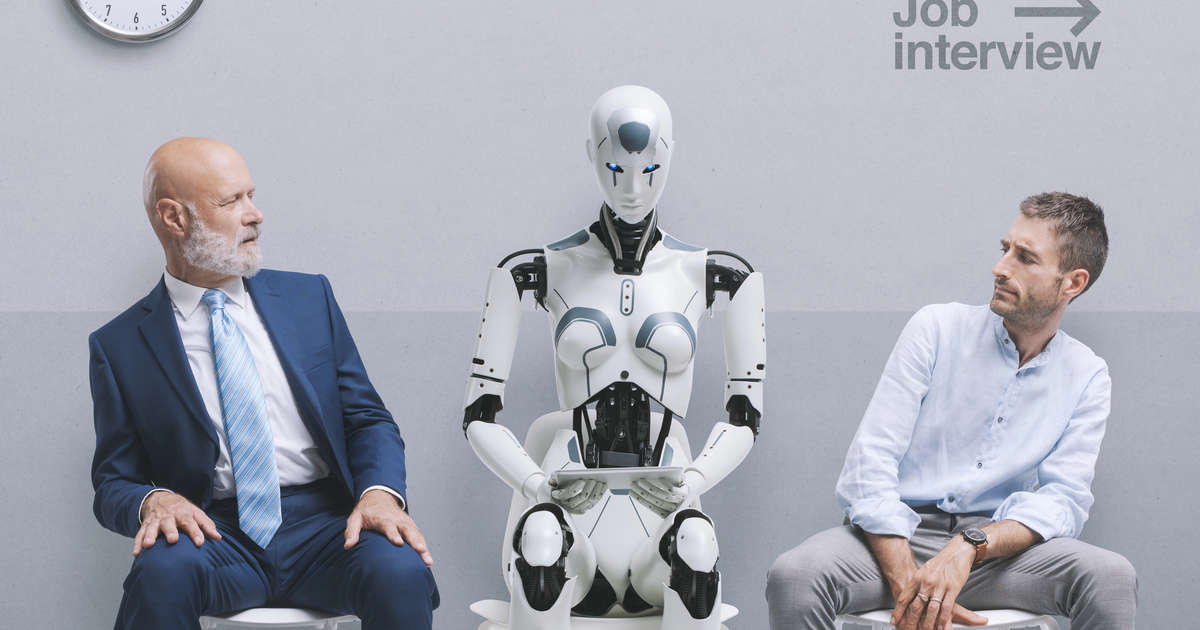
Revolutionizing HR in Hospitality with AI
In the fast-paced world of hospitality, human resource professionals often find themselves overwhelmed with repetitive tasks that consume valuable time. These include candidate follow-ups, employee check-ins, onboarding programs, and performance coaching. Fortunately, Artificial Intelligence (AI) offers a transformative solution. Rather than replacing the human element, AI enhances it, enabling HR teams to focus on what truly matters — fostering a strong, people-first workplace culture.
According to the Society of Human Resource Management (SHRM), 40% of U.S. employers already use AI during recruitment. As AI becomes more integrated into business operations, now is the time to strategically adopt this technology. Here are five key rules to help HR leaders in the hospitality industry optimize AI use effectively.
Rule 1: Align AI with Your Organizational Culture
AI implementation is not merely an IT initiative — it’s a cultural shift. Before adopting any AI tool, HR leaders must evaluate whether its use supports the company’s values and enhances employee care. This begins with crafting AI queries, or “prompts,” that reflect the organization’s tone and mission.
For instance, if your hotel brand emphasizes personalized service, your AI-generated communications should mirror that level of detail and care. AI should become a natural extension of your company’s voice, not a generic overlay. When used correctly, AI helps reinforce company culture rather than dilute it.
Rule 2: Maintain Human Oversight
AI can identify trends, such as a disengaged employee, but it cannot ask, “Are you okay?” That responsibility remains with HR professionals. AI is a tool for enhancing human judgment — not replacing it. Human oversight is essential to avoid errors and maintain empathy in employee interactions.
AI systems like ChatGPT or Gemini act like brilliant, highly literal children. They may fill in information gaps based on their algorithms, sometimes inaccurately. A personal example involved relying on AI for a presentation, only to discover a key date was incorrect. The root cause? A missing detail in the prompt. AI can streamline work, but it still requires human review and refinement.
Rule 3: Use Engineered Prompts for Better Results
To harness AI’s full potential, HR teams should develop structured prompts. A well-crafted prompt should include:
- The role AI should assume (e.g., “Act as a Talent Acquisition Manager”)
- The specific task or question
- Background context
- Desired output format (e.g., spreadsheet, document)
- Target audience
- Preferred tone and style
- Expected length
SHRM also recommends a prompt-engineering framework using its acronym: Specify, Hypothesize, Refine, Measure. This method ensures clarity, relevance, and alignment with company goals. By training teams to use engineered prompts, AI tools can deliver precise and valuable outcomes that truly support HR operations.
Rule 4: Audit AI for Bias and Accuracy
AI tools are not free from biases. Several legal cases have emerged due to discriminatory outcomes generated by unmonitored AI systems. Just as HR audits policies and safety procedures, it must routinely check AI processes for fairness and accuracy.
Prompts and results should be reviewed for unintended bias or misinformation. AI may attempt to fill knowledge gaps with assumptions, which can lead to flawed decisions. This reinforces the need for continuous human monitoring to ensure ethical and compliant use of technology.
Rule 5: Evaluate Vendor AI Practices
AI usage extends beyond internal operations. Many hospitality vendors incorporate AI into their systems. HR leaders must understand how their partners are using AI and ensure it aligns with company ethics and compliance standards.
Transparency is key. Request demonstrations from vendors explaining how AI enhances their services and what safeguards are in place to protect employee data. Shared liability is a real concern — if a vendor’s AI mishandles sensitive information, your company could be held accountable as well.
Further Considerations and Final Thoughts
While AI offers significant benefits, its limitations cannot be ignored. Automated systems lack human nuance unless explicitly programmed to recognize it. Therefore, final decisions must always involve human judgment.
For instance, rejecting a candidate who has gone through multiple interview rounds should involve a personal call rather than an automated email. Hospitality is a people-centric industry, and the human touch remains irreplaceable. Let AI handle the routine, but never at the expense of empathy and connection.
Transparency with employees about AI usage also builds trust. Even if not legally required, disclosing how AI supports the workplace reflects an open culture and acknowledges the evolving role of technology in everyday operations.
In conclusion, AI is a powerful ally for HR professionals. With strategic prompts, human oversight, and ethical considerations, it can revolutionize the way hospitality teams manage talent and care for employees. Embracing AI doesn’t mean replacing people — it means empowering them to do more, better.
This article is inspired by content from Original Source. It has been rephrased for originality. Images are credited to the original source.