

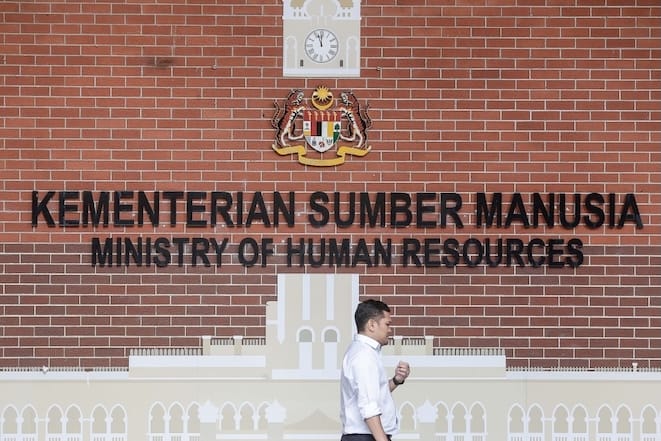
MOHR Emphasizes Compliance for Flexible Work Arrangements
Flexible work arrangements are becoming a staple in Malaysia’s private sector. The Ministry of Human Resources (MOHR) recently called on employers to adopt these arrangements in accordance with the Employment Act 1955, especially Sections 60P and 60Q. This move aims to ensure that flexible work arrangements support both business needs and employee welfare while remaining legally compliant.
Understanding Flexible Work Arrangements Under Malaysian Law
The Employment Act 1955 equips employees with the right to request flexible work arrangements (FWA), including but not limited to working from home, hybrid models, flexible hours, compressed workweeks, shift schedules, and output-based work. Employers are required to respond to such requests in writing within a specified timeframe, ensuring transparency and fairness in the process.
It is crucial to note that FWA is not synonymous with working from home alone. In fact, the MOHR highlights that FWA can take many forms, offering both employers and employees various options to structure work in ways that enhance productivity and job satisfaction. However, employers must not reduce salaries or benefits for employees who opt to work remotely unless a new agreement is reached that changes the overall working hours.
Benefits and Impact of Flexible Work Arrangements
Since 2023, over 3,000 organizations in Malaysia have adopted flexible work arrangements, according to data from TalentCorp cited by MOHR. These initiatives have benefited more than 1.2 million employees, marking a significant shift in workplace culture. The advantages of implementing flexible work arrangements are evident:
- Productivity Gains: 62% of employers reported increased productivity after adopting FWA.
- Improved Job Satisfaction: 70% of employees experienced higher satisfaction due to flexibility in time and location.
- Higher Engagement: More than 90% of organizations saw better employee engagement.
- Reduced Turnover: Companies reported a 15–20% decrease in staff turnover.
These statistics underscore the positive impact of FWA on both organizational outcomes and employee well-being. MOHR further notes that such arrangements are critical for organizational continuity, work-life balance, and talent retention in an increasingly competitive labor market.
Ensuring Employee Rights and Managing Risks
Guaranteeing employee rights and welfare remains at the heart of the MOHR’s push for flexible work arrangements. Employers are reminded not to alter existing salaries or benefits arbitrarily when transitioning to flexible models. Any changes must be mutually agreed upon, maintaining trust and confidence among the workforce.
At the same time, MOHR cautions employers about potential psychosocial risks that can arise from FWA, such as stress, isolation, and communication barriers. To address these, employers are encouraged to provide mental health support, including access to counseling and regular check-ins. The ministry also recommends following the Guidelines for Assessment and Management of Psychosocial Risks in the Workplace (PRisMA) 2024, which offers best practices for mitigating these challenges and fostering a supportive work environment.
Best Practices for Implementing Flexible Work Arrangements
A structured, empathetic approach to implementing FWA is essential for sustaining productivity and employee well-being. Employers should:
- Communicate Clearly: Outline FWA policies and expectations to all staff.
- Monitor Well-Being: Regularly assess employees for signs of stress or disengagement.
- Foster Inclusion: Ensure remote and on-site employees have equal access to opportunities and support.
- Review and Adjust: Continuously evaluate the effectiveness of FWA and make necessary improvements.
By adopting these strategies, organizations can create a flexible, resilient workforce that thrives in the face of change.
The Future of Flexible Work in Malaysia
As more organizations realize the benefits of flexible work arrangements, compliance with the Employment Act 1955 remains paramount. The MOHR’s guidance ensures that the shift toward flexibility does not compromise employee rights, productivity, or workplace harmony. By following legal requirements and prioritizing employee well-being, Malaysian employers can build a future-ready workforce equipped for sustained growth and innovation.
Ultimately, flexible work arrangements, when executed thoughtfully and legally, offer a win-win proposition for both employers and employees—driving satisfaction, performance, and organizational success in the evolving world of work.
This article is inspired by content from Original Source. It has been rephrased for originality. Images are credited to the original source.