

India’s Commitment to Global Talent Mobility
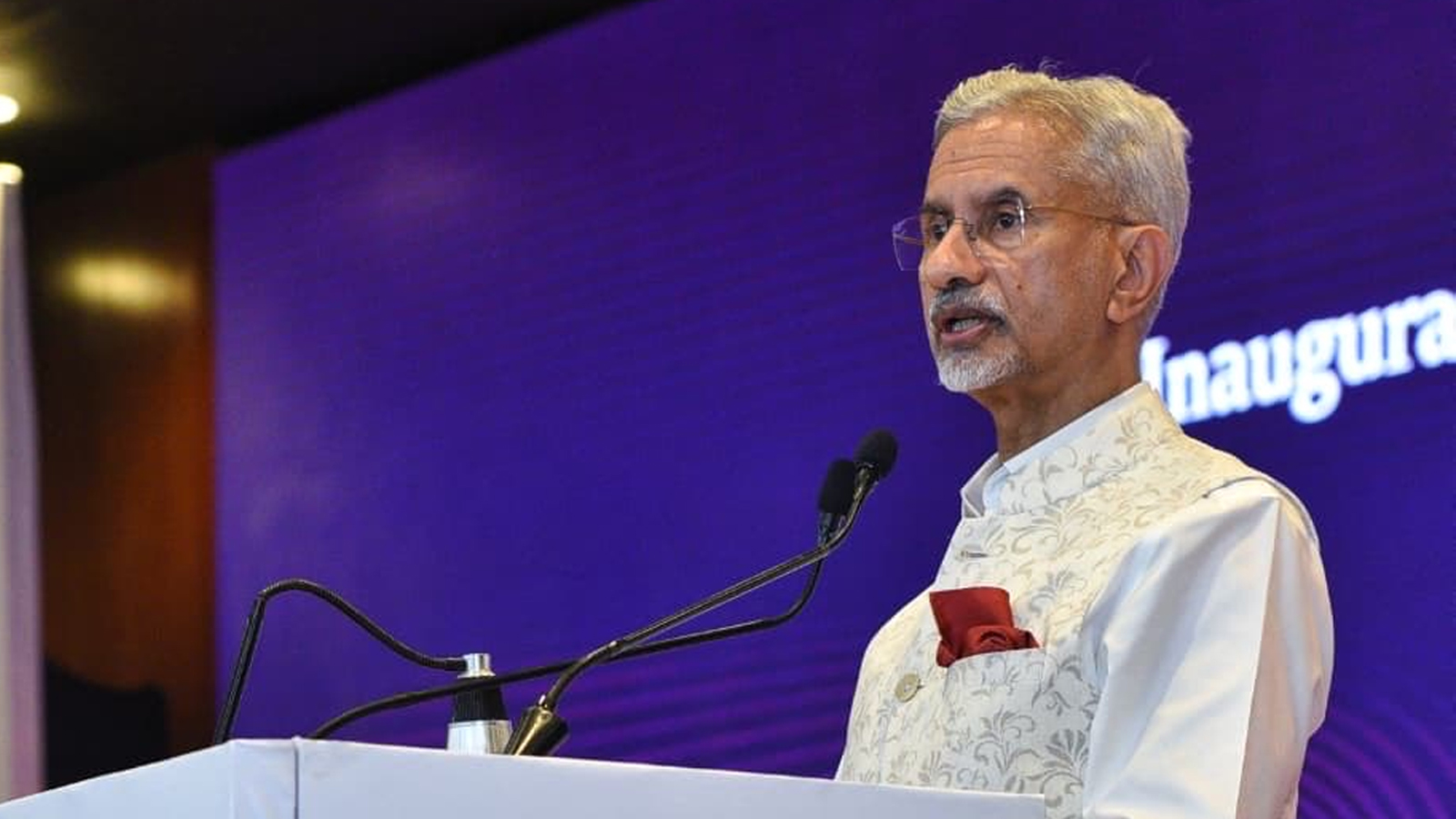
Global talent mobility has become a cornerstone of India’s international engagement, as emphasized by External Affairs Minister S. Jaishankar at the recent Human Mobility Partnership Forum in New Delhi. He announced that India has now signed 28 Migration and Mobility Partnership Agreements (MMPAs) or similar arrangements with 26 countries, highlighting the nation’s strategic focus on creating safe, legal, and mutually beneficial pathways for skilled human resource movement.
The Growing Importance of Skilled Migration
Minister Jaishankar underscored that the movement of skilled professionals is now a critical driver of economic growth, especially as rapid demographic shifts, technological advancements, and evolving labor market needs reshape the world economy. Global talent mobility not only supports economic expansion but also addresses pressing workforce shortages in sectors such as healthcare, manufacturing, construction, and agriculture.
He noted, “Countries increasingly recognize that access to skilled and adaptable talent is essential for sustaining growth, fostering innovation, and maintaining productivity. It’s also vital for preserving quality of life.” The minister stressed that global talent mobility is about much more than crossing borders—it’s about connecting aspirations with opportunities and linking talent with demand.
International Partnerships and Cooperation
India’s approach to global talent mobility extends beyond facilitating overseas employment. The country views mobility as a pillar of international cooperation, grounded in mutual benefit, shared responsibility, and long-term sustainability. These agreements, according to Jaishankar, create value for all stakeholders—source and destination countries, employers, workers, and local communities.
The minister also revealed that negotiations are ongoing with several more nations to further expand legal migration channels. However, he cautioned that increased legitimate migration must be met with robust efforts to combat illegal migration, exploitative recruitment practices, fraudulent intermediaries, and human trafficking. “These challenges undermine the credibility of legal mobility pathways and put vulnerable individuals at risk,” he warned.
The Role of Technology in Migration Governance
Technology is playing an increasingly vital role in the governance of global migration. Jaishankar highlighted the upgraded eMigrate Version 2 platform as a significant step towards a safer and more transparent migration ecosystem. Since its inception, the digital platform has facilitated over five million emigration clearances, serving as a global example of how technology can protect migrant workers and streamline mobility processes.
This digital transformation reflects India’s strong commitment to safe and legal mobility, ensuring that Indian citizens working abroad are supported and safeguarded throughout their journey.
Preparing for the Future of Work
Looking ahead, the minister pointed to the profound impact of artificial intelligence, automation, and the green economy on global labor markets. While many traditional jobs will evolve, entirely new categories of employment will emerge, necessitating ongoing skill development and adaptability among workers. Jaishankar stressed the importance of proactive workforce planning, continuous learning, and mutual recognition of qualifications across borders to support the future of global talent mobility.
He also highlighted the growing significance of the “silver economy” alongside the technology sector, as aging populations create new demands for healthcare and caregiving services.
Protecting Indian Citizens Abroad
Ensuring the welfare and protection of Indian nationals overseas remains central to India’s migration strategy. Initiatives such as the Indian Community Welfare Fund (ICWF), responsive consular services, the MADAD portal, and the eMigrate platform have all contributed to improved grievance redressal and timely assistance for Indians abroad.
Jaishankar reaffirmed India’s dedication to creating trusted mobility pathways, which can drive inclusive development and deepen international partnerships. He emphasized that, when managed with fairness and responsibility, global talent mobility can be a powerful force for growth and progress, benefiting both nations and individuals.
Shaping the Future of Human Mobility
The Human Mobility Partnership Forum, attended by representatives from five partner countries, served as an important platform for policy dialogue and collaboration. Jaishankar expressed confidence that the forum’s deliberations would yield valuable policy insights, strengthen international partnerships, and help shape the future of global talent mobility.
In conclusion, India’s proactive approach to global talent mobility positions it as a key player in the evolving international landscape, fostering win-win opportunities for workers, employers, and nations alike.
This article is inspired by content from Original Source. It has been rephrased for originality. Images are credited to the original source.