

The Rise of Cloud-Based HR Solutions
The landscape of human resource management (HRM) is undergoing a transformative shift as cloud technology continues to reshape how businesses operate. At the forefront of this evolution is the Software as a Service (SaaS)-based HRM market, which is experiencing rapid growth, driven by the increasing demand for scalable, user-friendly, and cost-effective solutions.
Organizations of all sizes are embracing SaaS-based platforms to manage essential HR functions such as payroll, benefits administration, performance tracking, and recruitment. The flexibility of these cloud-based tools allows companies to streamline operations, improve employee engagement, and maintain compliance with regional labor laws.
Key Market Drivers and Trends
Several factors are contributing to the expansion of the SaaS-based HRM market. The growing adoption of remote and hybrid work models has heightened the need for accessible and integrated HR systems. Additionally, businesses are seeking to enhance employee experiences through digital tools that support onboarding, learning, and development.
Artificial Intelligence (AI) and Machine Learning (ML) are also playing a significant role in the evolution of HRM solutions. These technologies enable predictive analytics for talent management, automate routine tasks, and provide insights into workforce trends, making HR departments more strategic and data-driven.
Segment Analysis and Market Opportunities
The SaaS-based HRM market can be segmented by deployment type, organization size, industry vertical, and region. Deployment types include standalone core HR systems, talent management suites, and workforce analytics tools. While large enterprises have traditionally led adoption, small and medium-sized enterprises (SMEs) are now emerging as a high-growth segment due to the affordability and simplicity of cloud solutions.
Industries such as IT, healthcare, retail, and manufacturing are witnessing strong demand for SaaS HR tools. These sectors require agile and scalable systems to manage dynamic workforces, especially in rapidly changing labor markets. The integration of HRM with enterprise resource planning (ERP) and customer relationship management (CRM) platforms is also enhancing interoperability and data sharing across business functions.
Regional Insights and Growth Projections
North America currently holds the largest market share, driven by technological advancements and a high level of digital transformation among enterprises. The United States, in particular, has a mature SaaS ecosystem and a strong base of HR tech providers.
Meanwhile, the Asia-Pacific region is anticipated to experience the fastest growth, fueled by economic development, increased internet penetration, and the expansion of multinational companies. Countries such as India, China, and Japan show significant potential due to their large populations and growing focus on workforce optimization.
Europe is also showing steady growth, supported by initiatives to modernize public sector HR systems and enhance employee engagement in the private sector. Regulatory compliance, such as adherence to the General Data Protection Regulation (GDPR), is driving demand for secure and transparent HR platforms.
Strategic Developments and Competitive Landscape
The competitive landscape of the SaaS-based HRM market is characterized by continuous innovation and strategic partnerships. Leading companies are investing in product development, AI integration, and mobile-first platforms to meet the evolving needs of users.
Some of the key players in the market include Workday, SAP SuccessFactors, Oracle HCM Cloud, ADP Workforce Now, and BambooHR. These providers are expanding their service offerings, acquiring emerging startups, and entering new geographic markets to maintain their competitive edge.
Recent strategic developments include collaborations with fintech and e-learning companies to offer integrated financial wellness and career development tools. Additionally, vendors are focusing on improving user experience through intuitive interfaces and personalized dashboards.
Challenges and Future Outlook
Despite the positive growth trajectory, the SaaS-based HRM market faces several challenges. Data privacy and security concerns remain top priorities, particularly as organizations handle sensitive employee information. Ensuring compliance with international data protection laws is essential for vendors operating in multiple jurisdictions.
Another challenge is the resistance to change within organizations. Implementing new HR technology requires cultural shifts, stakeholder buy-in, and training initiatives. However, as workforce demographics evolve and digital natives enter the labor force, the adoption of modern HR tools is expected to accelerate.
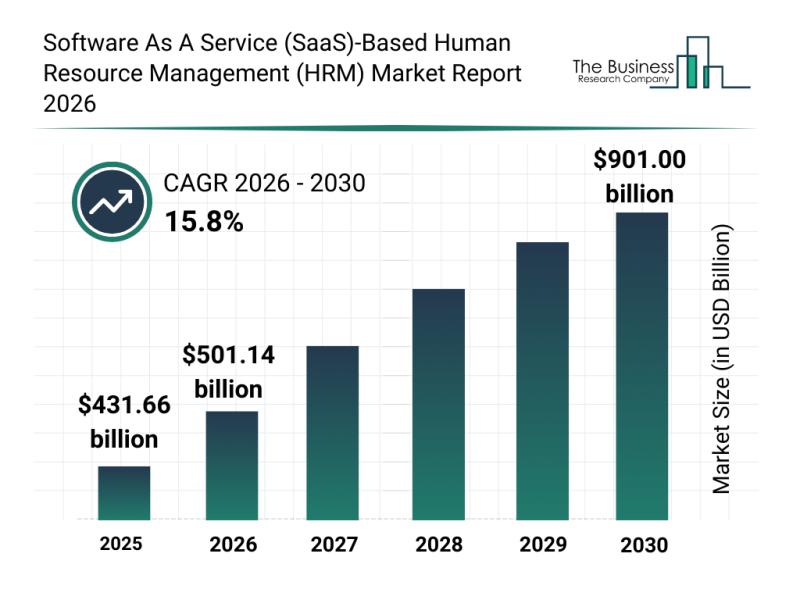
Looking ahead, the market is poised for continued growth through 2030 and beyond. The integration of blockchain for secure credential verification, the use of chatbots for employee support, and the rise of analytics-driven decision-making will shape the future of HRM. As companies prioritize agility and employee satisfaction, SaaS-based HR solutions will remain a critical component of business strategy.
This article is inspired by content from Original Source. It has been rephrased for originality. Images are credited to the original source.