

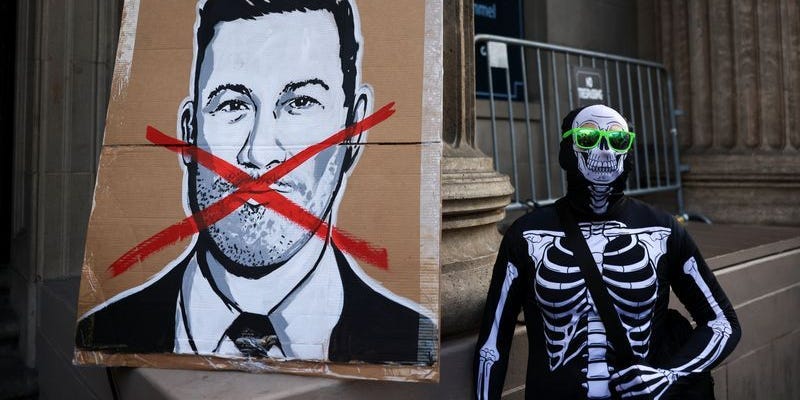
Political Tensions Rising in the Workplace
As political polarization intensifies across the United States, the workplace has not remained immune. Employees are increasingly bringing their political opinions and debates into office settings, prompting concerns about professionalism, productivity, and company culture.
From heated watercooler conversations to divisive Slack threads, HR departments are finding themselves on the frontlines of managing political discord. With elections looming and social media fueling strong opinions, the challenge of maintaining a respectful and inclusive environment has never been more pressing.
HR’s Expanding Role in Managing Conflict
Human resources professionals are being forced to adapt. Traditionally focused on hiring, training, and compliance, HR now plays a crucial role in mediating political disagreements and preventing them from escalating into formal complaints or legal disputes.
“We’ve seen a noticeable uptick in politically charged incidents,” says Leslie Hines, an HR consultant for a Fortune 500 company. “Our job is to ensure everyone feels safe and respected at work, regardless of their political beliefs.”
HR managers must walk a fine line—protecting employees’ rights to express themselves while enforcing company policies on harassment, discrimination, and workplace conduct. In some cases, this means issuing warnings or even terminating employees who cross the line.
Free Speech vs. Professional Conduct
One of the major challenges HR professionals face is balancing free speech with workplace harmony. While the First Amendment protects speech from government interference, private employers have more leeway in setting workplace standards.
“Employees often think they can say anything because of free speech rights,” Hines explains. “But that doesn’t mean there are no consequences in the workplace.”
Companies are increasingly updating their codes of conduct to include language about political expression. Some prohibit political discussions altogether during work hours, while others create guidelines for respectful dialogue.
Case Studies Highlight Real-World Impact
In one recent incident, a marketing associate at a tech startup was let go after repeatedly posting political memes in a company group chat, despite being warned. In another, tensions flared when employees wore political apparel in a customer-facing role, prompting complaints and a formal HR investigation.
These examples underscore the importance of clear policies and swift action. They also reveal how political fights can erode morale and affect team dynamics.
“It’s not just about two people arguing,” says HR expert Michael Tran. “It’s about how that argument affects the people around them and the overall work environment.”
The Importance of Proactive Policies
Experts recommend that companies take a proactive approach to managing political discourse. This includes training managers on how to de-escalate conflict, encouraging open communication, and setting the tone from the top.
Some organizations are even hosting workshops on civil discourse and bias awareness to help employees navigate difficult conversations. Others are creating anonymous reporting systems so workers feel safe flagging concerns.
“The goal isn’t to silence people,” Tran says. “It’s to create a space where everyone can do their job without fear of hostility or retaliation.”
Looking Ahead: Election Year Challenges
With the 2024 presidential election on the horizon, many companies are bracing for an uptick in political friction. HR departments are reviewing policies, preparing communication plans, and reminding employees of expected behavior.
Some are even offering mental health resources and employee assistance programs (EAPs) to help workers cope with stress and anxiety related to political events.
“We’re entering a time where politics are going to be top of mind for many,” Hines says. “It’s essential that we support our teams and lead with empathy.”
Conclusion: A New Era for HR Professionals
The intersection of politics and the workplace is not going away anytime soon. As these tensions continue to rise, HR departments must evolve to manage the complexities of modern office dynamics.
By fostering respectful communication, setting clear expectations, and offering support, companies can navigate political challenges while preserving a positive and productive work environment.
This article is inspired by content from Original Source. It has been rephrased for originality. Images are credited to the original source.