

The Changing Role of HR Leadership
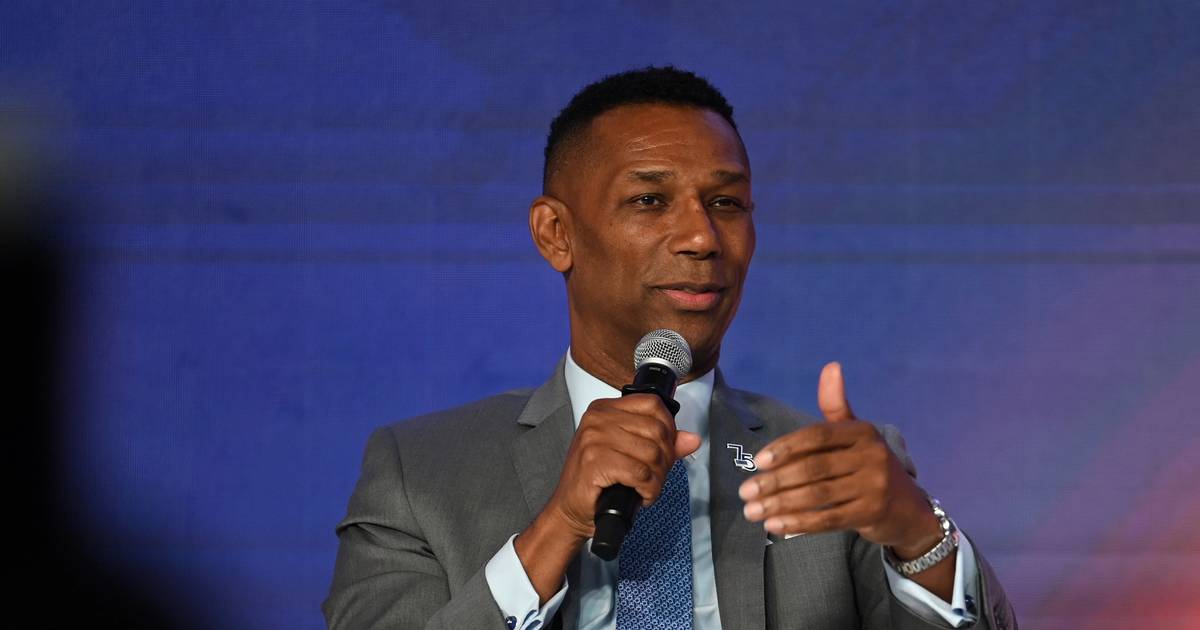
HR leadership strategy is experiencing a profound transformation, driven by the convergence of intelligent automation and shifting workplace dynamics. At the 2026 SHRM Annual Conference in Orlando, Johnny C. Taylor, Jr., president and CEO of the Society for Human Resource Management (SHRM), delivered a compelling address to thousands of HR professionals, emphasizing the urgent need for chief human resource officers (CHROs) to become “chief work officers.” This new role, Taylor argued, is essential for organizations navigating the post-pandemic revolution in how work gets done.
From Weathering the Storm to Leading the Revolution
Reflecting on the past few years, Taylor described how the HR profession has faced significant challenges since 2024. “There are moments that test every profession, and then there are moments that actually decide whether the profession will survive,” he said. According to Taylor, the storm has now passed, and a true revolution has begun—one where HR leadership strategy must adapt to a workplace increasingly shaped by artificial intelligence and automation.
The rapid adoption of AI tools and platforms is fundamentally altering job roles and organizational structures. Taylor highlighted that this change is not just about technology, but about redefining the very essence of work. He urged CHROs to take an active role in orchestrating how both people and machines contribute to the organization’s goals. “There’s nothing more revolutionary right now than the incursion of intelligent automation into the workplace,” Taylor asserted.
Prioritizing the CEO as the Critical Customer
Central to Taylor’s vision for the future of HR leadership strategy is a realignment of priorities. He stressed that HR leaders must prioritize their most critical customer: the CEO. Today’s CEOs, he said, are less concerned with whether a work problem is solved by a person, a platform, or a partnership—they simply expect the work to be completed efficiently and effectively, at the lowest cost and highest quality.
This shift requires HR leaders to move beyond traditional people management and embrace a wider operational scope. As “chief work officers,” HR professionals must be equipped to address not just personnel issues, but also financial, technical, organizational, and labor-related challenges. Taylor called for HR leaders to become the “first stop” for executive leadership seeking solutions, positioning themselves as indispensable partners in business strategy.
Becoming Predictive Leaders in a New World of Work
To truly embody the role of chief work officers, Taylor encouraged HR professionals to act as “workplace meteorologists”—capable of predicting trends, foreseeing disruptions, and guiding their organizations through uncertainty. This proactive approach to HR leadership strategy demands continuous learning, adaptability, and a willingness to embrace new technologies.
Taylor’s advice for leading this workplace revolution was clear: “Strong doses of courage.” He urged HR professionals to find their “inner lion,” reminding them that courage is not the absence of fear, but the willingness to act in spite of it. “Don’t wait to be invited to the feast. Don’t wonder if you’re ready to fight. The lion is prepared to act fearlessly to anything that comes, even when he has every reason to be afraid.”
HR Leadership Strategy for the AI Era
The evolving workplace requires a bold reimagining of HR’s purpose and scope. The integration of AI and automation means HR leaders must develop expertise across technology, change management, and business operations. By adopting a forward-looking HR leadership strategy, they can ensure their organizations are prepared for the complexities of the modern workforce.
In this new era, the most successful HR leaders will be those who are willing to innovate, challenge the status quo, and advocate for the strategic importance of HR in business decision-making. As Taylor concluded, the revolution is not just about surviving change—it’s about shaping it.
Conclusion: The Future of HR Leadership Strategy
This pivotal moment calls for HR professionals to embrace the role of chief work officers, integrating technology and human insight to deliver tangible business value. By centering their HR leadership strategy on agility, courage, and strategic partnership with the C-suite, they can secure a vital place in the future of work. The revolution Taylor described is already underway, and the time for HR leaders to act is now.
This article is inspired by content from Original Source. It has been rephrased for originality. Images are credited to the original source.