

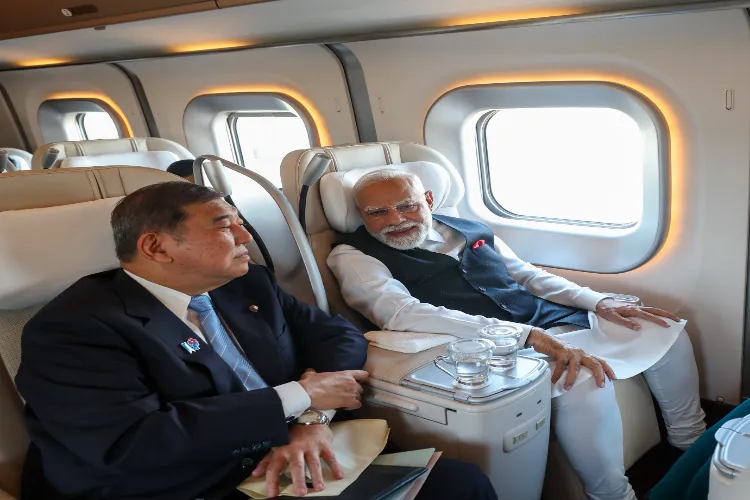
India and Japan Expand Bilateral Ties Through Strategic Agreements
India and Japan have taken significant steps to strengthen their bilateral relations by signing a series of key Memoranda of Understanding (MoUs) across various sectors. The agreements aim to enhance collaboration in technology, trade, security, and sustainable development, reflecting the deepening strategic partnership between the two nations.
Broad Areas of Cooperation Highlighted
The newly signed MoUs span a wide range of sectors including industrial development, digital transformation, clean energy, defense cooperation, and infrastructure development. These agreements are expected to foster innovation, facilitate trade, and promote regional stability in the Indo-Pacific region.
Indian External Affairs Minister Dr. S. Jaishankar and Japanese Foreign Minister Yoko Kamikawa led the discussions in Tokyo, which culminated in the signing ceremony. Both leaders emphasized the importance of a robust partnership in addressing contemporary global challenges such as climate change, supply chain resilience, and cybersecurity.
Digital and Industrial Innovations Take Center Stage
One of the MoUs focuses on industrial innovation and digital transformation, aiming to strengthen small and medium-sized enterprises (SMEs) in both countries. By facilitating technological exchanges and joint ventures, India and Japan hope to enhance productivity and competitiveness in key industries.
Officials from both nations highlighted the role of digital public infrastructure and emerging technologies like artificial intelligence (AI), robotics, and quantum computing in shaping future economic landscapes. These collaborations are poised to create new opportunities for startups and tech entrepreneurs.
Clean Energy and Climate Action
Another major area of cooperation is clean energy and climate resilience. The two countries agreed to collaborate on green hydrogen development, renewable energy projects, and carbon neutrality goals. Japan reaffirmed its support for India’s transition to a low-carbon economy through technology transfer and financial assistance.
“We are committed to working together to achieve our sustainable development goals and reduce our carbon footprint,” said a joint statement from both governments. These initiatives will also align with the global objectives of the Paris Agreement.
Defense and Security Partnership Strengthened
India and Japan also reiterated their commitment to defense cooperation through joint military exercises, information sharing, and maritime security initiatives. The Indo-Pacific region remains a strategic priority for both nations, with growing concerns over freedom of navigation and regional sovereignty.
The defense pact includes provisions for increased collaboration between the Indian Navy and Japan’s Maritime Self-Defense Force. This enhances both countries’ capabilities in humanitarian assistance, disaster relief, and counter-terrorism operations.
Infrastructure and Connectivity Projects
Infrastructure development, particularly in connectivity and transportation, is another pillar of the new agreements. Japan pledged continued support for flagship Indian projects like the Mumbai-Ahmedabad high-speed rail corridor and urban transit systems.
The collaboration also extends to smart city initiatives and sustainable urban planning. These projects aim to improve urban living standards while fostering environmentally friendly growth models.
Educational and Cultural Exchange Programs
To further people-to-people ties, India and Japan agreed to expand educational and cultural exchange programs. These include scholarships for students, academic collaborations between universities, and promotion of traditional arts and languages.
The leaders underscored the importance of deepening mutual understanding and fostering goodwill between the citizens of both nations. “Our shared values and democratic principles form the foundation of this enduring relationship,” said Minister Kamikawa.
Strategic Vision for the Indo-Pacific
Both countries reaffirmed their commitment to a free, open, and inclusive Indo-Pacific. The MoUs signed align with the shared vision of a rules-based international order and underscore the strategic alignment between India and Japan on regional and global issues.
India and Japan are also working closely within multilateral platforms such as the Quad, G20, and the United Nations. These partnerships aim to address global challenges like pandemics, economic instability, and climate change through collaborative solutions.
Looking Ahead
The signing of these MoUs marks yet another milestone in the growing partnership between India and Japan. With shared goals and complementary strengths, both nations are poised to unlock new avenues of cooperation and drive sustainable economic growth.
As the world navigates complex geopolitical dynamics, the India-Japan alliance stands as a testament to the power of diplomacy, mutual respect, and shared vision for peace and prosperity.
This article is inspired by content from Original Source. It has been rephrased for originality. Images are credited to the original source.