

City Leaders Propose Major HR Reforms Amid Scandal
Indianapolis city-county councilors are pushing for a major overhaul of the city’s human resources policies in response to past mishandlings of sexual harassment allegations. The reforms aim to create a safer and more transparent work environment for city employees following the controversy involving Mayor Joe Hogsett’s former chief of staff, Thomas Cook.
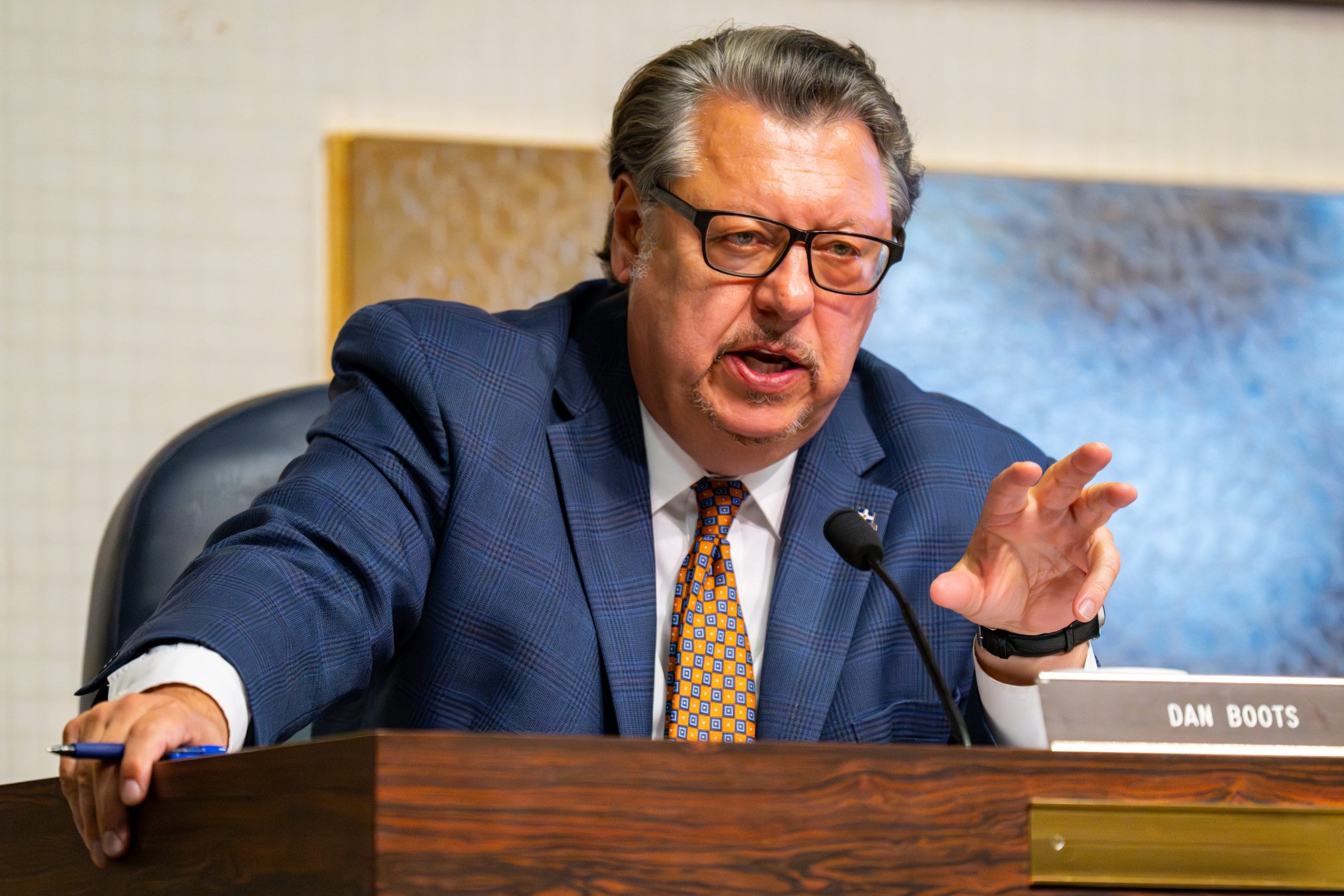
“We want to ensure that nothing like what has happened in the past ever happens again in the future,” said Councilor Dan Boots, a Democrat from the city’s north side, who is helping lead the reform effort.
Allegations of misconduct against Cook surfaced more than a year ago, prompting an investigation and increasing scrutiny of the city’s HR structure. The fallout has led to widespread concern over a reportedly toxic workplace culture under Hogsett’s administration.
Calls for Structural Independence
One key proposal involves establishing an independent human resources board. Currently, the city’s HR department reports to the Office of Finance and Management, which in turn reports directly to the mayor’s office. Reform advocates argue that this structure compromises impartiality and accountability.
“Investigations involving senior officials must be handled by an entity that is independent of elected officials and city employees,” said Emma Davidson Tribbs, president of the National Women’s Defense League, who testified in support of the proposed changes during a recent Rules and Public Policy Committee meeting.
Supporters believe that an independent board composed of elected officials and HR professionals would foster trust in the complaint process. However, some councilors have raised concerns about the potential for sensitive records to become public under Indiana’s open records laws.
“If you have an independent board, board documents would become public record,” warned Councilor Brienne Delaney, a Democrat representing District 2.
Considering an Inspector General Role
Another major reform under consideration is the appointment of a temporary inspector general to investigate allegations of misconduct involving elected officials. The idea is modeled after similar roles in cities like Chicago, St. Louis, and Columbus, where inspector generals are tasked with reducing fraud, waste, and abuse in government operations.
“We’ve had conversations with individuals who can justify the cost of their existence through finding waste, fraud and abuse,” said Councilor Michael-Paul Hart, a Republican representing the south side and one of several councilors who have called for Mayor Hogsett’s resignation.
Brandon Beeler, the city’s lead attorney, expressed skepticism about how an inspector general model would function within Indianapolis’ governance structure, noting the legal and logistical complexities involved.
Financial Concerns and Next Steps
While momentum for reform is strong, councilors are mindful of the financial implications. Councilor Boots, who is leading a working group of six councilors, emphasized that the cost of implementing these reforms must be factored into any decisions.
“Creating certain agencies or independent boards — there’s a dollar figure assigned to that,” Boots said. “As a steward of taxpayer money, that is an issue that comes into the calculus.”
The city has already incurred significant expenses related to the scandal. An external law firm was hired to investigate the administration’s handling of the Cook allegations, resulting in a $450,000 bill to taxpayers. Many councilors were dissatisfied with the outcome, which found that Mayor Hogsett followed existing city-county policy.
In an effort to restore trust, Mayor Hogsett issued an executive order requiring sexual harassment training for all employees and directed HR to implement an anonymous reporting system for workplace misconduct.
Additionally, the city’s Office of Audit and Performance contracted Raftelis, a North Carolina-based consulting firm, for $127,000 to assess the workplace environment and recommend improvements. The results of that assessment are expected by the end of the year.
Public Testimony and Advocacy
Public interest in the reforms has been high. Former city employees and human resource advocates have spoken at committee meetings, sharing experiences and offering recommendations. Morgan Mickelson, a former city employee, and Tracy Justice, director of government affairs for the Society for Human Resource Management’s central Indiana chapter, both addressed the committee to urge meaningful change.
“I believe there is a culture and a climate that exists now that needs to change,” said Councilor Carlos Perkins, a Democrat representing the northwest side.
As the council continues to deliberate, there is cautious optimism that the proposed changes will lead to a more accountable and respectful workplace culture in city government.
This article is inspired by content from Original Source. It has been rephrased for originality. Images are credited to the original source.