

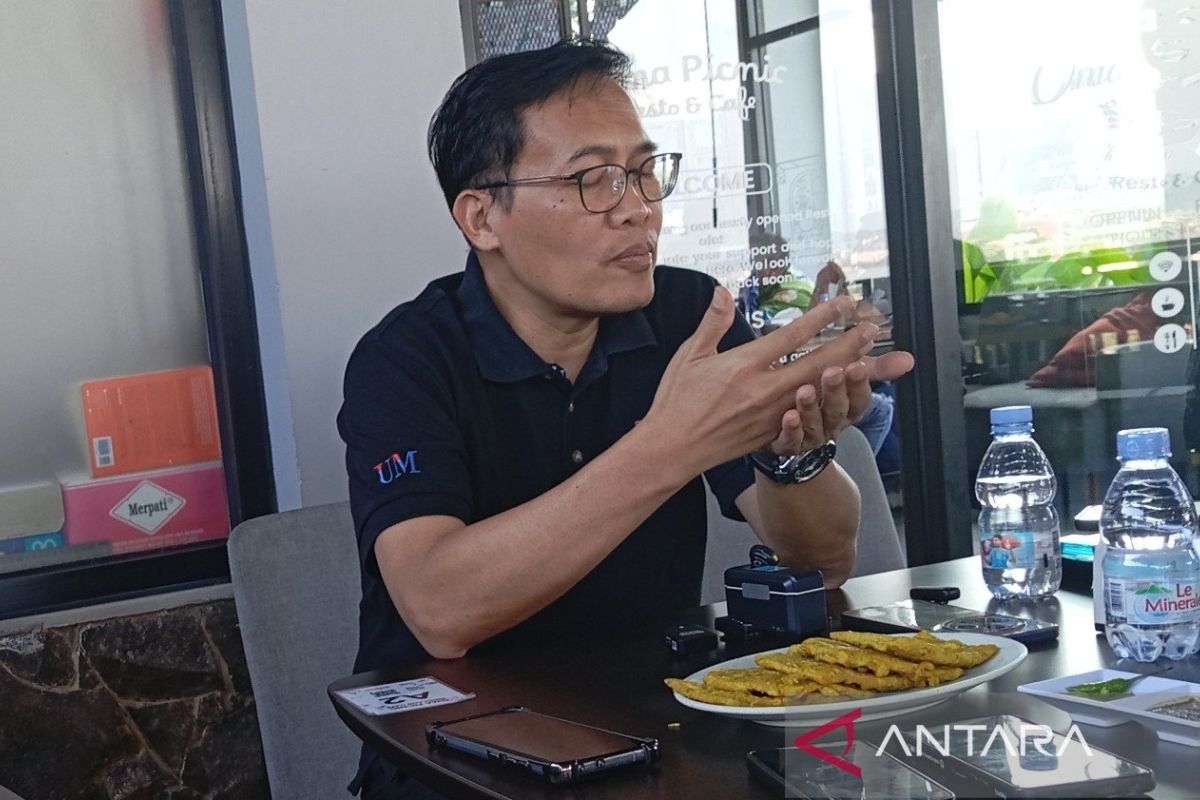
Government Shifts Focus to Family-Based Human Resource Development
The Ministry of Population and Family Development has announced a significant institutional transformation aimed at strengthening family-centered development strategies. According to Secretary Budi Setiyono, this shift underscores the government’s recognition that human resource development begins within families.
Speaking in Samarinda, East Kalimantan, Setiyono emphasized the importance of prioritizing families in national development planning. “A family-based approach is essential due to several factors, especially since previous efforts in human development have been overly concentrated in sectors outside the family unit,” he stated.
Challenges in Current Development Approaches
Setiyono pointed out several challenges that have hindered effective human resource development. These include the absence of families as central units in planning processes and a lack of coordination among ministries and agencies in promoting family functions. He also noted that data related to families is fragmented, and government interventions remain ambiguous.
“Another pressing concern is the limited availability of social and digital innovations to support families, particularly in shielding them from the adverse effects of inappropriate digital content,” he added.
2025–2029 Population Development Roadmap
The ministry’s transformation efforts are encapsulated in the 2025–2029 Population Development Roadmap, a strategic plan designed to create an integrated and sustainable ecosystem for human development. This ecosystem is built around the concept of placing families at the core of policy-making to address Indonesia’s demographic challenges and support the nation’s vision of becoming a developed country by 2045, known as Golden Indonesia.
The roadmap is structured into three phases, starting in 2025. The first phase will focus on integrating family microdata through the One Family One Data initiative. This involves linking family data via Identification Numbers (NIKs) to the Social Welfare Integrated Data (DTKS) and other government databases.
Key Initiatives and Programs
To ensure effective implementation, the roadmap outlines several key actions. These include the synchronization of family development policies through strategic inter-ministerial coordination and the introduction of innovative social and digital programs under the government’s Quick Win initiatives.
Additionally, the ministry plans to expand the Family Planning Villages (Kampung KB) initiative. These villages serve as model communities that integrate family planning services with economic, educational, and health programs to improve family welfare.
Setiyono highlighted the importance of multi-stakeholder collaboration to enhance these efforts. “We are working closely with government bodies, the private sector, academic institutions, community organizations, and the media to strengthen family functions and create a robust human development framework,” he said.
Addressing Digital Challenges
One of the critical areas of focus is the development of social and digital tools to help families navigate the digital landscape safely. The ministry aims to implement educational programs and technological innovations that protect families, especially children, from harmful online content while promoting positive digital engagement.
Setiyono stressed that strengthening digital literacy within families is crucial in the current era. “We must equip families with the tools and knowledge they need to manage digital exposure effectively and responsibly,” he explained.
A Unified Vision for National Growth
The government’s family-centered approach aligns with broader national goals. By positioning families as the foundation of human development, the ministry aims to create a more inclusive and resilient society. This approach not only supports individual well-being but also contributes to national productivity and competitiveness.
The roadmap also serves as a blueprint for future policies and programs that prioritize human capital development through family empowerment. With the upcoming phases of the roadmap, the ministry is optimistic that Indonesia will be better equipped to meet the demands of a rapidly changing global environment while staying true to its cultural values and social fabric.
This article is inspired by content from Original Source. It has been rephrased for originality. Images are credited to the original source.