


The Future of Manufacturing: Embracing AI and Automation
Enhancing Workforce Capabilities and Efficiency Through AI Innovations
In an era where technology is rapidly reshaping industries, companies like Deere & Co. and Procter & Gamble are stepping up their game by implementing forward-thinking strategies designed to harness the power of AI and automation. Their aim is not only to boost productivity but also to foster a positive work culture, easing job security concerns.
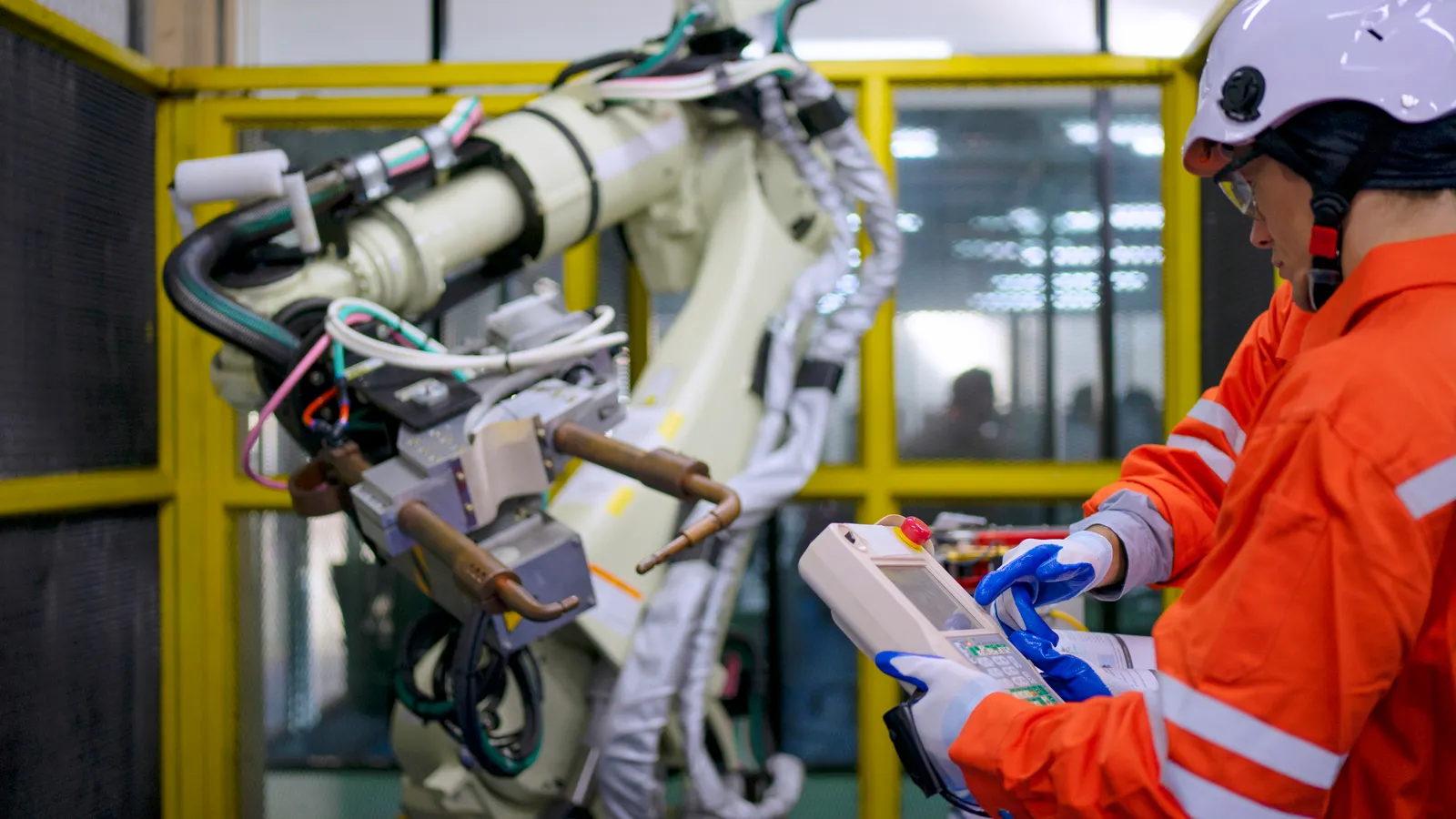
As manufacturing giants look towards integrating the latest artificial intelligence and automated technologies for efficiency and competitiveness, they face the significant challenge of assuring their workforce that these changes are beneficial. Current data from the Pew Research Center reveals that many U.S. workers are more apprehensive than hopeful regarding AI in the workplace, with approximately one-third anticipating fewer job opportunities in the future.
Key Strategies Discussed
- The introduction of technologies to accelerate monotonous tasks like document processing.
- Implementation of automated systems in factories that can run shifts without human supervision, potentially leading to a reduced work week.
Deere & Co.’s Approach
Heather Bishop, global director of manufacturing and operations at John Deere Power Systems, described how the company is using autonomous technologies not as a means to cut jobs, but to enhance workforce capabilities. By incorporating AI tools, Deere has significantly decreased the time engineers spend on reviewing warranty claims—from up to 15 hours a week to merely two.
Bishop also highlighted the cultivation of a workplace culture where experimentation with automated tech is encouraged under a “gamification” approach. This initiative is designed to make the adaptation of new technologies enjoyable and engaging for employees, like naming a robot “Cranky”. This seemingly trivial act helps in warming employees to the concept of collaboration with autonomous systems.
Procter & Gamble’s Innovative Shift Patterns
At the Berlin facility of Procter & Gamble, an “unattended” night shift, running for four hours without human presence, exemplifies how robotics and automation can revolutionize traditional work schedules. By transitioning from five eight-hour shifts to four ten-hour workdays, P&G aims to lower costs while enhancing work-life balance.
Amy Rardin, global senior director of supply chain digitization at P&G, shared her experience with this model at the Fort Worth conference. She reported that the company’s shift towards automation has been widely accepted by employees, leading to successful replication at multiple plants.
“It really is about thinking differently with a growth mindset,” Rardin noted, emphasizing the importance of a collective approach in addressing multi-faceted audience needs.
As these industrial leaders demonstrate, integrating AI and automation is less about eliminating jobs and more about encouraging a mindset that embraces technological advancements while supporting human development.
Stay updated with the latest in HR technology and trends by subscribing to hrtechtrend.com.
Note: This article is inspired by content from https://www.hrdive.com/news/value-proposition-ai-and-automation-procter-gamble-deere/746116/. It has been rephrased for originality. Images are credited to the original source.