

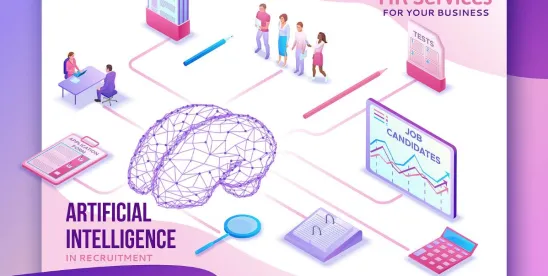
The Integration of AI in Human Resources
Artificial intelligence (AI) has transitioned from a futuristic idea to a mainstream tool in the workplace, particularly in human resources (HR). From drafting job descriptions to screening résumés, conducting video interviews, and generating performance reviews, AI tools have revolutionized traditional HR practices. While these innovations promise efficiency and cost reductions, they also introduce a range of new legal and compliance challenges.
Employers must find a balance between technological advancement and legal responsibility. The rapid adoption of AI in HR necessitates a thoughtful approach to ensure fairness, avoid discrimination, and comply with evolving legal standards.
Current Applications of AI in HR
AI is now widely used across HR functions, including recruitment, performance evaluation, and compensation analysis. Recruiting platforms leverage algorithms to filter résumés, while chatbots engage with candidates and assist in large-scale hiring efforts. According to the Society for Human Resource Management’s 2025 survey, over 50% of employers utilize AI in recruiting.
In performance management, AI technologies track employee productivity, analyze communication patterns, and recommend career development plans. Compensation systems increasingly use AI to conduct pay equity audits, helping identify salary disparities across roles and departments. However, the effectiveness of these systems depends on the transparency and fairness of the underlying algorithms.
AI can also generate misleading outputs, often referred to as “hallucinations.” Employers relying on AI without adequate oversight risk implementing flawed decisions, making human review not just advisable, but essential.
Legal Risks and Compliance Concerns
Discrimination and Disparate Impact
One of the most significant legal risks of using AI in recruitment is disparate impact—where a seemingly neutral practice disproportionately affects a protected group. A prominent example is the class action lawsuit Mobley v. Workday, where plaintiffs allege age discrimination against applicants over 40.
Legal experts warn that such cases highlight the necessity for employers to conduct bias audits and thoroughly vet AI tools before deployment. The Equal Employment Opportunity Commission (EEOC) has issued guidance stating that automated decision-making tools are subject to the same anti-discrimination laws as traditional hiring practices.
Employers may face claims from both individuals and government agencies if AI applications result in discriminatory outcomes, even if the bias is unintentional.
Accountability for AI Failures
Some organizations mistakenly believe that outsourcing HR functions to AI vendors shields them from liability. This is a dangerous misconception. Employers remain ultimately responsible for complying with anti-discrimination and privacy laws, regardless of whether the AI system is managed internally or by a third-party vendor.
According to attorney Max Barack, “You’re still going to face consequences if you break the law, whether somebody does it as an authorized agent or that authorized agent is a computer.”
Contracts with vendors should clearly define responsibilities and liability. Employers should also review their insurance policies to ensure that employment practices liability insurance (EPLI) covers AI-related risks, as standard policies may not provide adequate protection without specific riders.
Joint liability could arise if both the AI vendor and employer are involved in discriminatory practices. This makes due diligence and strong contractual agreements critical to mitigating risk.
State and International Regulation of AI in HR
States are beginning to legislate AI usage in employment settings. Illinois’ Artificial Intelligence Video Interview Act, for example, mandates disclosure and applicant consent when AI is used in video interviews. Similarly, New York has enacted laws requiring consent for using AI-generated likenesses of employees.
Other states, including Maryland and California, are exploring their own regulations aimed at promoting transparency in AI-driven hiring practices. On a global level, the European Union has introduced the AI Act, which categorizes certain AI applications in employment as “high-risk” and subjects them to stringent audit and transparency standards.
The regulatory landscape is rapidly evolving, and employers must stay informed and adaptable to avoid non-compliance.
Best Practices for Responsible AI Use in HR
To safely and effectively incorporate AI into HR workflows, employers should adopt the following best practices:
- Conduct regular audits to detect and address algorithmic bias.
- Ensure all AI-generated decisions undergo human review.
- Stay updated on federal, state, and international AI regulations.
- Review contracts with vendors to clearly define liability and compliance expectations.
- Verify that insurance coverage includes AI-related employment claims.
- Train HR teams to understand AI tools and recognize potential legal risks.
- Maintain transparency with employees and job applicants about where and how AI is used.
By implementing these measures, companies can use AI to streamline HR processes without compromising legal compliance or ethical standards.
Conclusion: A Cautious Path Forward
AI has the potential to revolutionize HR operations, but it comes with complex legal implications. Employers must not treat AI as a shortcut to efficiency. Instead, they should approach it as a powerful tool that requires robust oversight, ethical considerations, and continuous legal vigilance.
Organizations that act proactively will be better positioned to avoid litigation, build employee trust, and lead the way in ethical AI implementation.
This article is inspired by content from Original Source. It has been rephrased for originality. Images are credited to the original source.