

Government Ministries Join Forces for Forestry Skill Development
The Indonesian Ministry of Manpower and Ministry of Forestry have officially partnered to enhance human resource capabilities in the forestry sector. This collaboration is set to launch a comprehensive vocational training program focused on agroforestry, aiming to improve employment access and promote green entrepreneurship in forest-adjacent communities.
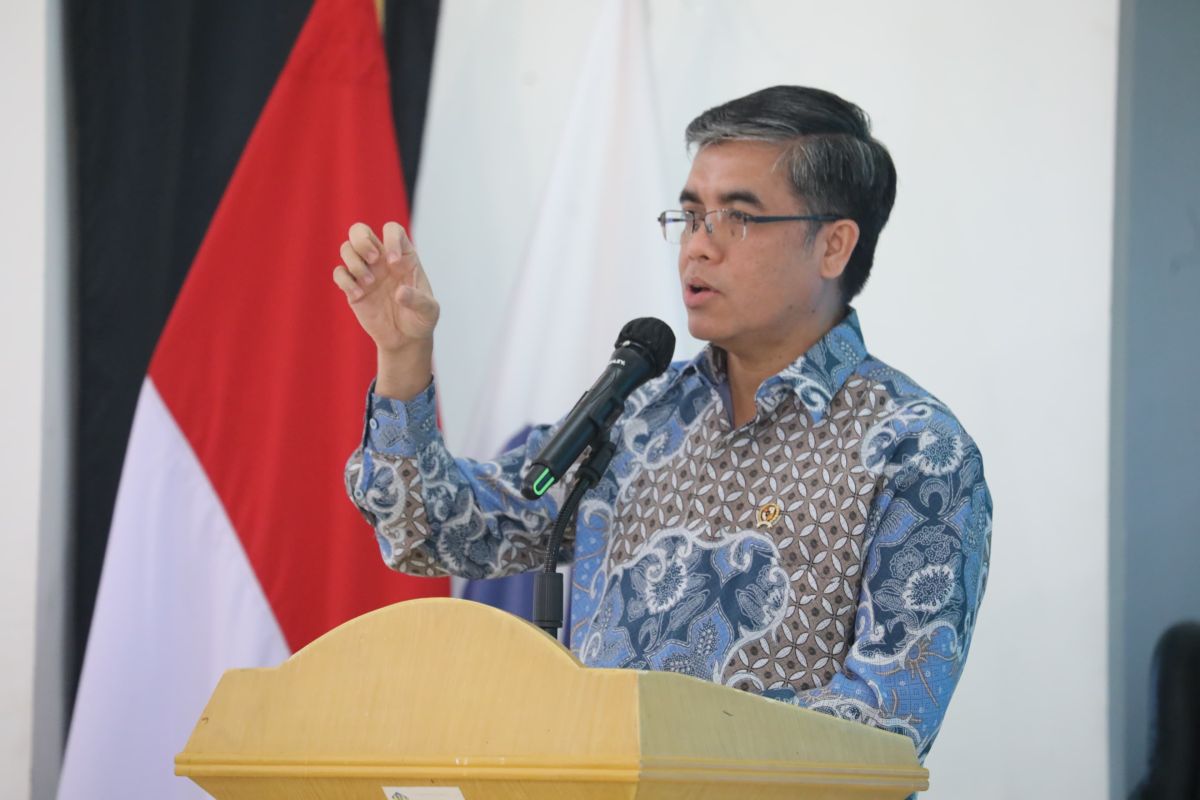
Minister of Manpower Yassierli announced the initiative in Jakarta, stating that the program is designed to provide novice farmers with the necessary vocational skills to thrive in the forestry sector. He emphasized that the training will play a critical role in reducing unemployment rates while fostering economic independence among rural populations.
Training Program Focuses on Coffee-Based Agroforestry
The upcoming training program, titled “Coffee-Based Agroforestry with Horticultural Crops”, will be conducted at the Padang Vocational and Productivity Training Center (BPVP). The program will include both theoretical instruction and hands-on field practice in the community forest area at Puncak Labuang.
Minister Yassierli highlighted that future training initiatives will be customized to align with regional potentials and specific community needs. This tailored approach aims to maximize the effectiveness of the training and ensure its relevance to local economic activities.
Strategic Collaboration to Address Unemployment
The collaboration is part of a broader framework initiated by a memorandum of understanding between the two ministries, signed on April 11, 2025. The memorandum underscores the importance of cross-sector partnerships in expanding job opportunities through sustainable forest management practices.
“This vocational training strengthens the Ministry of Manpower’s role in developing highly skilled human resources,” said Yassierli. “Cross-ministerial synergy is essential to creating impactful programs that can reduce unemployment and support sustainable economic development.”
Roles and Responsibilities in the Partnership
As outlined in the agreement, the Ministry of Forestry will be responsible for identifying suitable land and assessing the agroforestry potential of selected areas. This groundwork is essential for ensuring that training participants gain practical experience in viable agroforestry environments.
In parallel, the Ministry of Manpower will oversee the training and provide ongoing support to participants. This includes facilitating practical sessions and assisting in the development of a supportive business ecosystem to help farmers establish sustainable enterprises.
Agroforestry as a Sustainable Economic Model
Agroforestry integrates agricultural and forestry practices within the same land area, offering a sustainable method to increase productivity and promote ecological balance. The initiative aims to empower communities living near forests by providing them with the tools and knowledge to manage natural resources efficiently and profitably.
Minister Yassierli expressed optimism about the program’s potential to reinforce the national sustainable agroforestry agenda. He noted that this collaboration would broaden the reach of competency-based training to underserved communities, thereby enhancing their ability to participate in the forestry economy.
“Agroforestry is not just about land use—it’s about creating a sustainable livelihood for forest-edge communities,” he explained. “By equipping them with vocational skills, we are investing in a greener and more equitable future.”
Future Prospects and Expansion
The ministries plan to expand the training program to other regions, adapting it to local agricultural conditions and forestry profiles. This scalability is expected to drive widespread impact, enabling more communities to benefit from structured vocational training and improved access to sustainable jobs.
Moreover, the government intends to integrate these programs with broader employment and economic strategies, highlighting agroforestry as a key component in Indonesia’s sustainable development goals. The long-term vision includes not only reducing rural unemployment but also promoting environmental stewardship and economic resilience.
This article is inspired by content from Original Source. It has been rephrased for originality. Images are credited to the original source.