

Oracle’s Massive Infrastructure Investment: What It Means for HR
Oracle made waves recently with its announcement to raise between $45 billion and $50 billion in 2026 to expand its cloud infrastructure. This bold move, aimed at supporting AI workloads for major clients like OpenAI, Meta, NVIDIA and xAI, may also hold significant implications for HR teams using Oracle’s HCM (Human Capital Management) solutions.
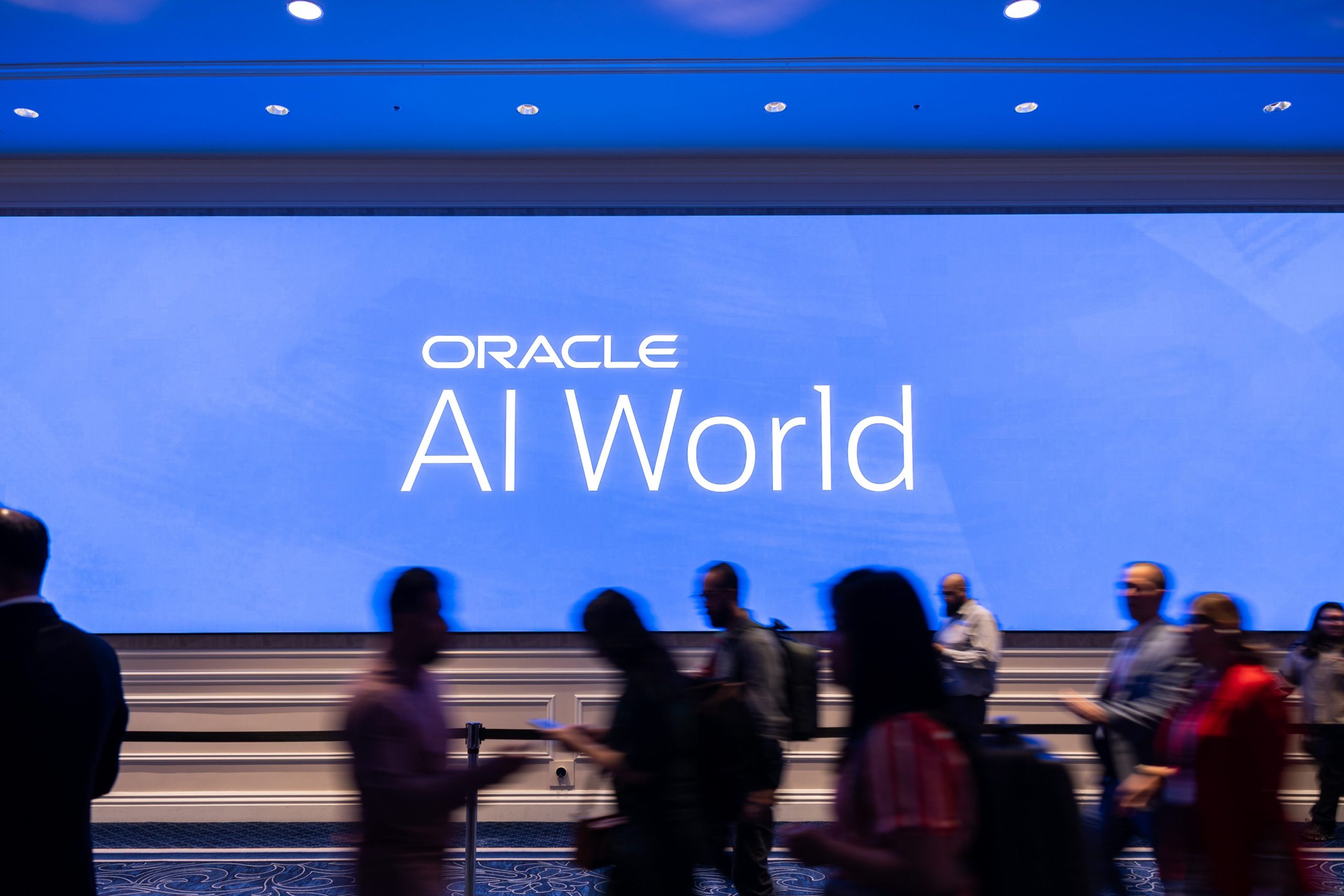
At Oracle AI World 2025, Chris Leone, executive vice president of development for Oracle Cloud HCM, declared 2026 as “the year of operationalizing AI.” This statement emphasized a pivotal shift: companies are no longer merely experimenting with AI but moving toward full-scale deployment. The synergy between Oracle’s infrastructure expansion and its HCM platform could accelerate that evolution within HR departments.
Shared Infrastructure: A Hidden Advantage for HR
Oracle is investing heavily in the physical and digital backbone needed to power next-generation AI. A prime example is its Abilene, Texas data center campus, which spans 1,100 acres and features 4 million square feet of space dedicated to AI workloads. This infrastructure is not exclusive to Oracle’s external AI clients—it underpins the very same cloud ecosystem that supports Oracle Cloud HCM.
According to Rebecca Wettemann, CEO of analyst firm Valoir, Oracle’s AI Agent Marketplace, introduced in October, is embedded directly into the Oracle Cloud Infrastructure. This integration means HR tools powered by Oracle AI—such as recruiting software, performance management, and workforce planning—run on the same high-performance infrastructure designed for the most demanding AI applications.
“Unlike standalone marketplaces, Oracle embedded its new solution so users can install and operate AI agents in the same environment as its prebuilt agents,” said Wettemann. This ensures consistency, efficiency, and performance across all AI functionalities, including those used by HR teams.
Potential Risks: Resource Allocation and Focus
Despite the potential benefits, Oracle’s ambitious infrastructure expansion raises questions about resource allocation. With a $200 billion market cap, Oracle is financially stable. However, the scale of the infrastructure build could stretch internal resources and impact the delivery of new HCM features.
Engineering bandwidth is finite, and major infrastructure projects often shift priorities. HR leaders should stay vigilant, ensuring that Oracle maintains its focus on HCM product development. Delays in roadmap deliverables or slower feature rollouts could indicate that AI infrastructure demands are diverting attention from application enhancements.
Maintaining regular communication with Oracle representatives can help HR teams stay informed about product timelines and development velocity. If promised features are delayed, it may be time to question whether infrastructure buildouts are affecting application progress.
Accelerating AI in HR Applications
If Oracle can successfully align its infrastructure expansion with its HCM roadmap, HR teams stand to gain significantly. The scalability, reliability, and processing power of Oracle Cloud Infrastructure could enhance the performance of AI-driven HR tools, leading to faster insights, improved analytics, and more intelligent automation across the employee lifecycle.
For example, AI-powered recruiting could benefit from reduced latency and faster data processing, while performance management tools might offer deeper insights through advanced analytics. Workforce planning could become more predictive and strategic with the increased computing power at Oracle’s disposal.
Oracle’s infrastructure scale is unprecedented among enterprise software vendors. However, translating that advantage into real value for HR depends on execution. Capital investment alone isn’t enough—Oracle must prioritize transforming its backend capabilities into front-facing features that solve real-world HR challenges.
What HR Leaders Should Do Now
The $50 billion investment should be seen as an opportunity for HR leaders to engage with Oracle on a deeper level. It’s a chance to ask pointed questions about:
- How cloud infrastructure improvements will benefit HCM tools
- The timeline for AI feature rollouts in Oracle Cloud HCM
- Performance commitments and service level expectations
By initiating these conversations, HR departments can ensure they remain aligned with Oracle’s strategy and are positioned to take advantage of the coming wave of AI enhancements.
Ultimately, while Oracle’s infrastructure expansion may seem like a story about data centers and AI behemoths, it is also a story about how foundational technology can empower HR leaders to build more agile, intelligent, and responsive organizations.
This article is inspired by content from Original Source. It has been rephrased for originality. Images are credited to the original source.