

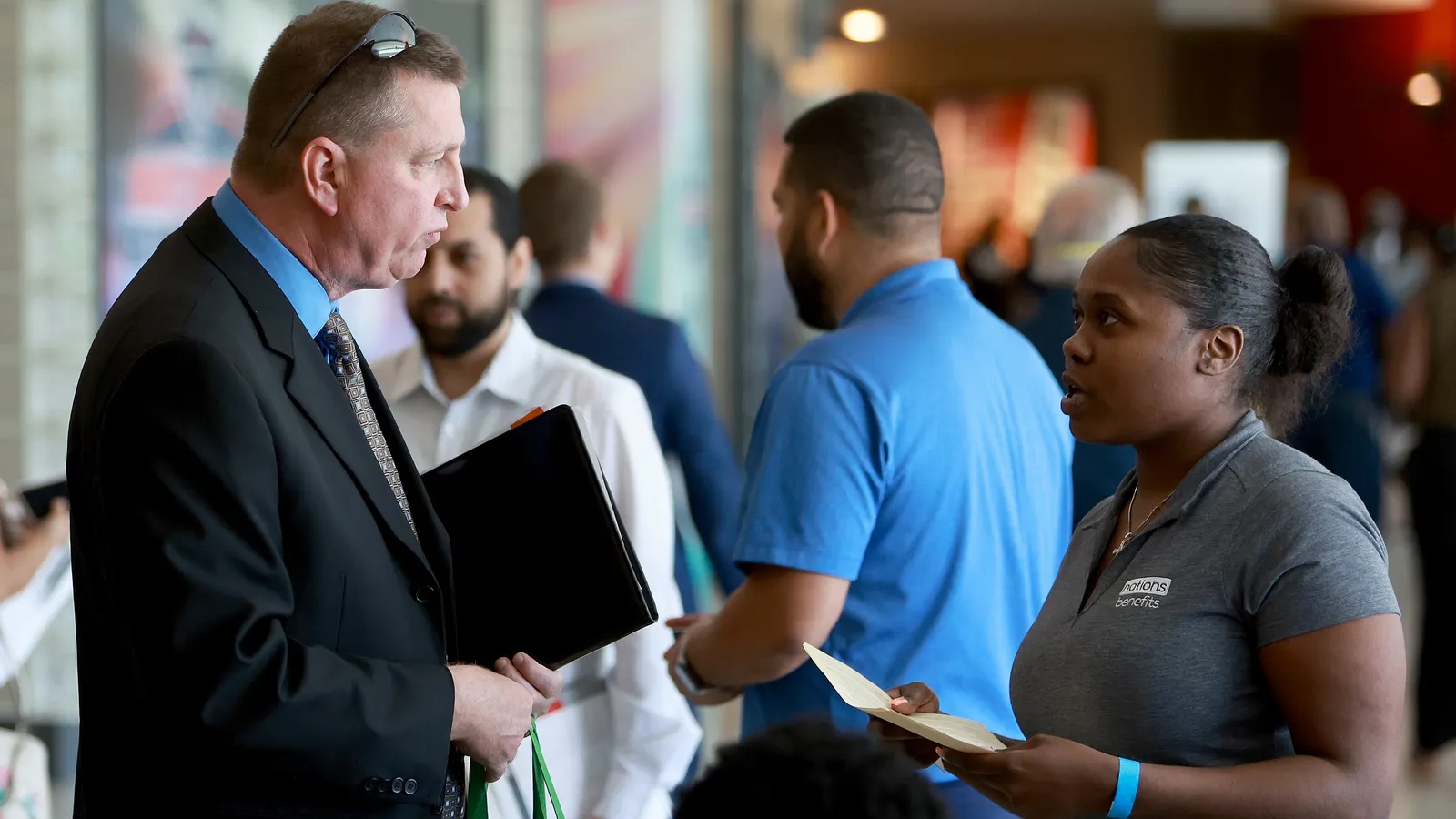
In recent years, the hiring landscape has shifted dramatically, with a growing emphasis on skills-based recruitment. However, a recent report from Textio reveals an intriguing trend towards ‘vibe hiring,’ where candidates are selected based on personality traits rather than skill sets. This approach raises questions about the reliability and fairness of the hiring process.
Textio’s April 29 report highlights that candidates who receive job offers are significantly more likely to be described as having a ‘great personality’ compared to those who are rejected. In fact, these candidates are 12 times more likely to be characterized as such. The term ‘vibe hiring’ aptly captures this phenomenon, where the likability of a candidate or the interviewer’s gut feeling often trumps an applicant’s qualifications.
According to Textio, candidates who were extended offers were five times more likely to be described as friendly and four times more likely to have great energy. This analysis, based on over 10,000 interview assessments, underscores the significant role personality plays in the hiring process. Interestingly, the report also reveals a gender disparity in personality descriptions. Women are often described as bubbly and pleasant, while men are more frequently labeled as level-headed and confident.
Kieran Snyder, chief scientist emeritus and co-founder of Textio, emphasizes the dangers of relying on informal methods for interview assessments. ‘Too many hiring teams rely on memory, gut instinct, or informal messages to capture what happened in an interview,’ Snyder states. ‘Unfortunately, memory fades, gut instincts are often unreliable, and informal messages aren’t a hiring system.’ Snyder advocates for structured, skills-based interview assessments, viewing them as essential for effective hiring processes.
Feedback, or the lack thereof, also plays a crucial role in candidate performance. Textio’s findings suggest that candidates who receive feedback tend to perform better in interviews. Moreover, those who receive job offers are more likely to have received feedback during the interview process.
The importance of a positive interview experience is further highlighted by a Gallup report, which suggests that candidates often base their decisions on the quality of the interview. Employers can enhance their appeal by conducting structured interviews, treating candidates with respect, and using the opportunity to showcase their organizational culture and values.
In addition to structured interviews, the use of inclusive language in job postings and communications can reinforce an organization’s values and improve employee experience and retention. A report from McLean & Co. warns that neglecting inclusive language may convey a lack of prioritization of belonging within the organization. A VMware executive suggests that hiring managers should replace subjective qualifications and non-essential requirements with clear, necessary skill requirements in job postings.
The emphasis on ‘vibe hiring’ over skills-based assessments presents a challenge for organizations striving to make equitable and effective hiring decisions. While personality traits may contribute to team dynamics, over-reliance on them can lead to biased outcomes and misaligned hires. Organizations must balance the need for cultural fit with the imperative to hire based on skills and competencies.
For more insights and updates on HR trends, subscribe to hrtechtrend.com.
Note: This article is inspired by content from https://www.hrdive.com/news/companies-tend-to-hire-based-on-vibes-not-skills/746596/. It has been rephrased for originality. Images are credited to the original source.