

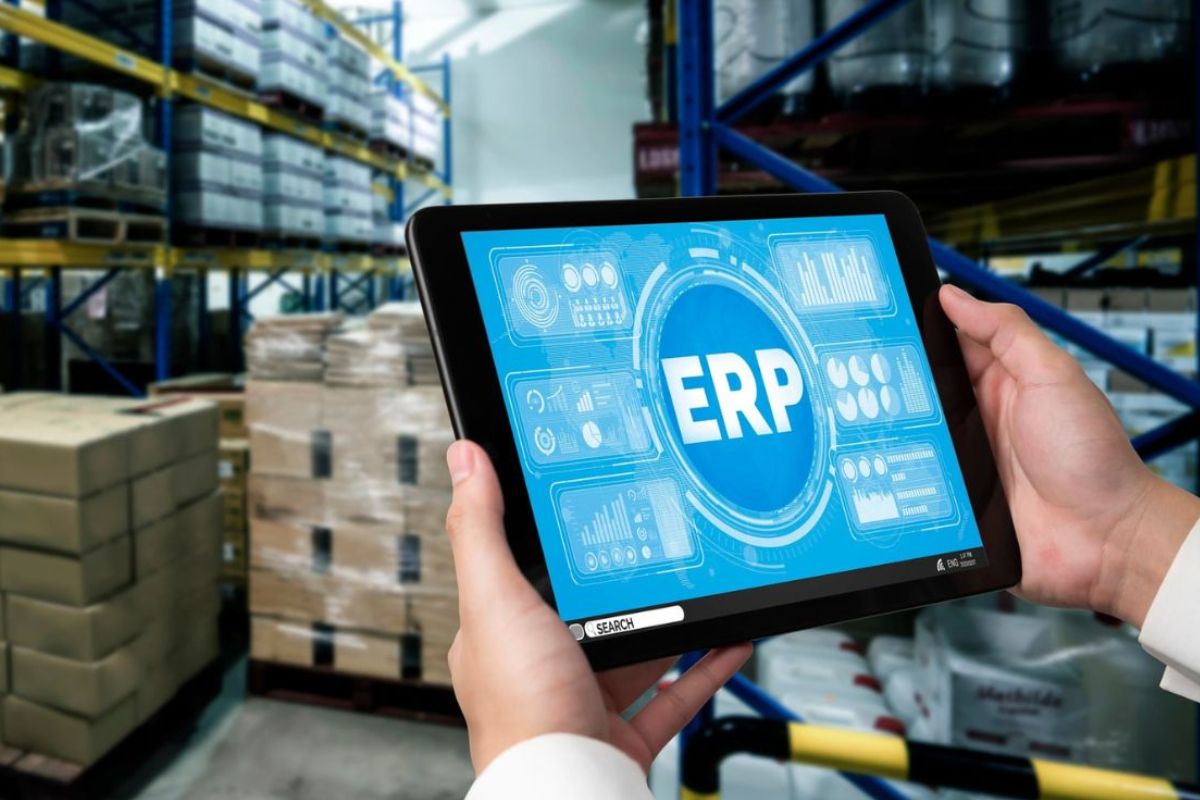
Understanding ERP’s Rising Importance in India
Enterprise Resource Planning (ERP) systems have become indispensable in India by 2026, acting as the backbone of business operations across sectors. These platforms unify departments—finance, HR, logistics, and more—into one streamlined system, improving efficiency and strategic decision-making.
The Indian ERP market has surged from $375.2 million in 2020 to a projected $815 million by the end of 2026, showcasing the technology’s growing necessity. This growth is driven by regulatory compliance needs (especially Goods and Services Tax), digital transformation, and globalization.
Leading ERP Solutions in 2026
Here’s a look at the top ERP tools revolutionizing Indian enterprises in 2026:
1. SAP S/4HANA and SAP Business One
SAP remains a global ERP leader, with S/4HANA targeting large corporations through real-time analytics and multi-business unit management, while Business One appeals to SMEs with essential modules at competitive pricing. Deployment is flexible—available both on-premises and in the cloud.
2. Oracle NetSuite
NetSuite is India’s top cloud-native ERP, designed from the ground up for seamless online performance. Its popularity among fast-scaling businesses stems from its ease of implementation, scalability, and robust modules covering finance, CRM, inventory, and more.
3. Microsoft Dynamics 365 Business Central
Perfect for companies within the Microsoft ecosystem, Business Central integrates smoothly with Office 365, Teams, and Azure. It provides AI-powered financials, inventory control, and sales management with full GST compliance tailored for the Indian market.
4. TallyPrime
TallyPrime is deeply entrenched in India’s SMB sector, known for its user-friendly interface and local compliance capabilities. It supports functions like accounting, payroll, inventory, and GST filing with unmatched accessibility and affordability.
5. Odoo
As a modular open-source ERP, Odoo allows businesses to tailor solutions to their needs. With applications ranging from CRM and e-commerce to HR and inventory, it offers the flexibility to grow from basic to complex setups while avoiding vendor lock-in.
6. Ramco Systems
This Indian-origin ERP provider focuses on industries like aviation, logistics, and manufacturing. Ramco integrates AI and machine learning for smart automation and predictive analytics, offering strong localization and cloud deployment options.
7. Sage X3
Sage X3 targets mid-market companies needing enterprise-grade capabilities without large-scale complexity. It shines in manufacturing, distribution, and food sectors, offering multi-currency support, quality control, and compliance tools.
8. ERPNext
This free, open-source ERP is built on modern web technologies and suits startups and cost-conscious businesses. ERPNext includes modules for accounting, HR, inventory, manufacturing, and CRM, with strong community support and customization potential.
9. Infor CloudSuite
Infor delivers sector-specific solutions, especially for manufacturing, hospitality, and healthcare. Pre-configured workflows reduce customization needs, while AI-driven analytics optimize operations and enhance decision-making.
10. Zoho One
Instead of a single ERP platform, Zoho One offers a suite of 45+ integrated apps under one subscription. These cover all business needs—from finance and CRM to HR and project management—making it ideal for SMEs seeking end-to-end solutions on a budget.
Key Factors in Choosing Your ERP
When selecting an ERP, consider:
- Company size and future growth
- Industry-specific needs
- Total cost of ownership
- Implementation timeline and support
- Cloud vs. on-premises deployment
Cloud-based ERPs are favored in 2026, offering reduced upfront costs, faster updates, and easier scalability. Mobile access and AI-driven features are also now standard expectations. ERP success depends on stakeholder buy-in, clear goals, and thorough training.
Future ERP Trends in India
Several trends are shaping ERP adoption:
- Artificial Intelligence: Automates processes, forecasts trends, and flags anomalies.
- Cloud Adoption: Over 70% of new ERP implementations are cloud-based.
- Mobile-First Design: Enables real-time access and approvals on any device.
- Industry-Specific Solutions: Pre-configured modules reduce time-to-value and suit sectoral needs.
Conclusion: Investing in Operational Excellence
Whether you’re a growing startup or a multinational enterprise, choosing the right ERP platform is critical for long-term success. Tools like SAP, Oracle, Microsoft, and ERPNext help streamline operations, enhance visibility, and drive strategic growth. With the right implementation strategy and focus on business transformation, Indian companies can leverage ERP to compete globally and thrive in the digital economy.
This article is inspired by content from Original Source. It has been rephrased for originality. Images are credited to the original source.