

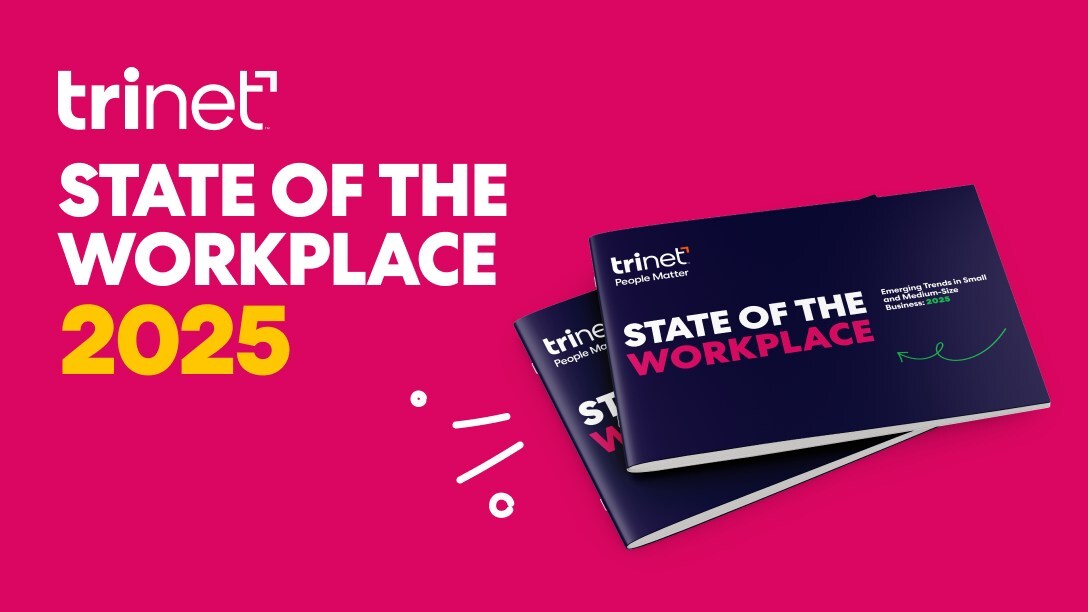
TriNet Publishes In-Depth 2025 Workplace Trends Report
TriNet (NYSE: TNET), a top provider of comprehensive human resources solutions for small and medium-sized businesses (SMBs), has unveiled its annual 2025 State of the Workplace Report. This insightful publication captures the dual perspectives of over 1,000 SMB employers and employees across the U.S., revealing key trends shaping modern work dynamics.
Conducted by TriNet in partnership with Qualtrics, the nationwide survey includes responses from 540 full-time employees and 500 employers spanning various industries such as financial services, life sciences, nonprofit, professional services, and technology. The report addresses transformative themes including employee engagement, artificial intelligence (AI) integration, workplace flexibility, and employee benefits.
Mismatch in Perceptions of Employee Engagement
One of the central findings of the report is the noticeable gap between how employers and employees perceive engagement. While 47% of employers believe their staff is “extremely engaged”—a 10-point rise from 2024—only a third of Gen Z employees share this sentiment. Baby Boomer employers are especially likely to overestimate engagement intensity, highlighting a generational divide in workplace perceptions.
“The TriNet 2025 report reveals a workplace in rapid transition,” said Catherine Wragg, Chief People Officer at TriNet. “It uncovers the blind spots between employer assumptions and employee realities that SMBs must address to remain competitive.”
Flexible Work Becomes a Norm, But Disagreements Remain
Workplace flexibility continues to evolve, with employers increasingly favoring a hybrid model. The preference for three office days per week rose to 26% from 21% in 2024. However, only 14% of employees agree with this model, indicating potential friction in expectations over remote and in-office work arrangements. This suggests that employers and employees are still negotiating the best balance in the post-pandemic era.
Skills Gap Grows Amid Rapid Transformation
The report highlights a growing talent readiness gap. While 46% of employers believe their workforce is equipped with the necessary skills to succeed, only 49% of employees feel the same—down from 59% in 2024. This discrepancy signals a critical need for upskilling and ongoing training to close the divide and maintain productivity in a changing business environment.
AI Integration Gains Momentum with Caution in Sensitive Areas
Artificial intelligence is becoming commonplace in SMBs. The report found that 94% of employers and 84% of employees have used AI on the job, with two-thirds utilizing it regularly for human resources tasks. However, both groups are hesitant to adopt AI in sensitive areas such as offboarding and employee training, where human empathy and context are still deemed essential.
Employee Benefits: Shifting Priorities and Shared Values
Several key trends emerged in the realm of employee benefits. Mental health support, for example, is gaining stronger recognition. The number of employers who consider mental health coverage “extremely important” grew significantly to 37%, up from 28%.
Fertility coverage is also becoming more important to both employers and employees. Employer ratings for “extremely” and “moderately important” rose to 29% and 31%, respectively. Meanwhile, employee indifference dropped from 31% to 19%, showing a shift in awareness and value assignment.
Childcare assistance stands out as an area of alignment between employers and employees. Both groups show increased support for this benefit, with employers enhancing their “extremely important” and “somewhat important” ratings, and employees reducing the “not at all important” response by nearly half.
Employee discounts are another shared interest. Employer responses rating them as “extremely important” rose to 32% from 27%, while employees’ “moderately important” ratings increased from 29% to 36%.
Comprehensive Insights for SMB Leaders
The full 2025 State of the Workplace Report offers detailed, year-over-year comparisons and breakdowns by generation and industry. It serves as a robust resource for HR professionals and business leaders seeking to adapt to evolving workforce expectations and challenges.
TriNet continues to position itself as a forward-thinking HR solutions provider, delivering services that include health benefits, retirement plans, payroll management, tax administration, and compliance support for SMBs across the country. For more information, visit TriNet.com.
This article is inspired by content from Original Source. It has been rephrased for originality. Images are credited to the original source.