

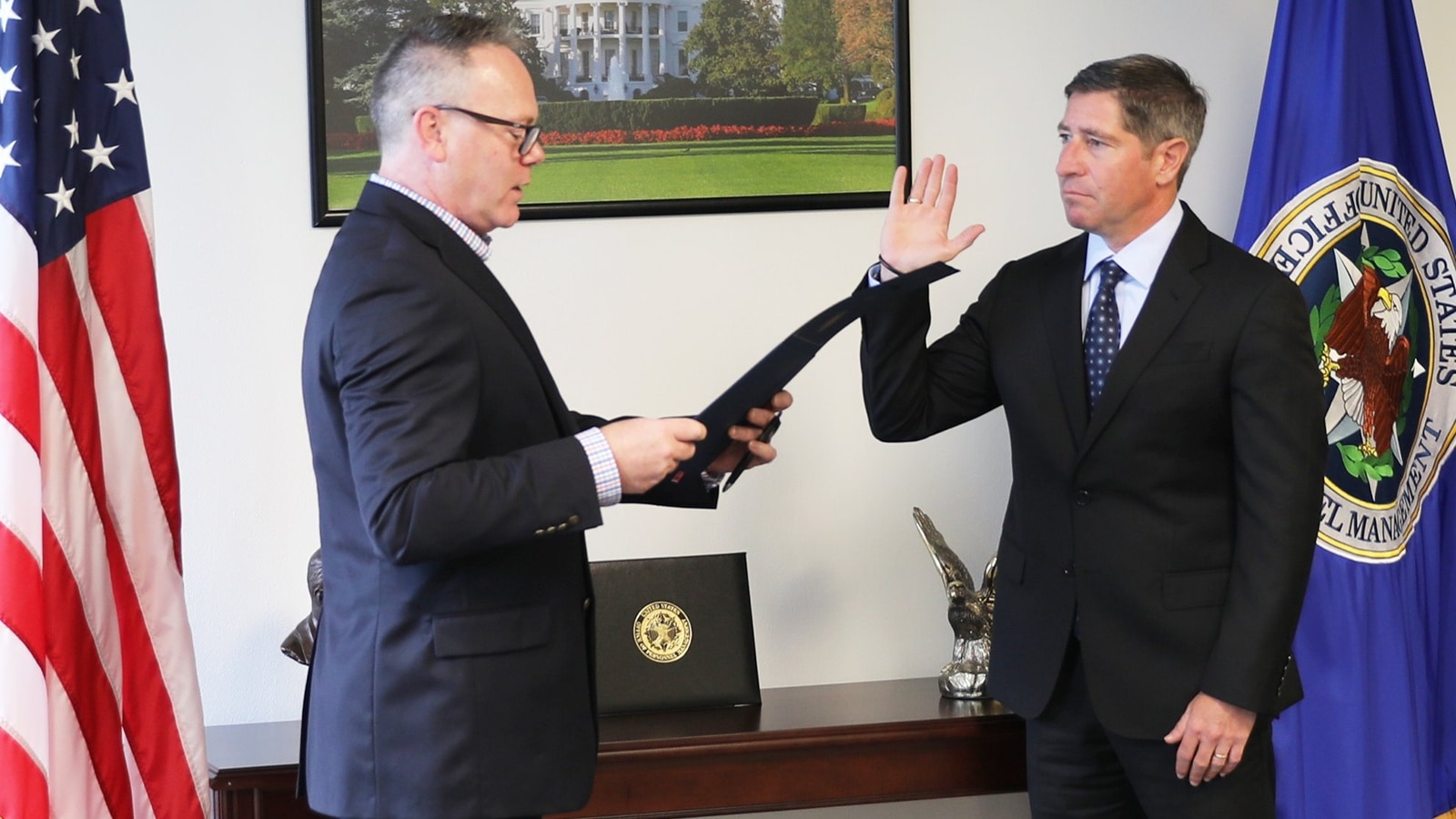
Scott Kupor Takes Helm at OPM, Clarifies Distance from Musk
Scott Kupor, recently appointed by President Donald Trump as the head of the Office of Personnel Management (OPM), has stated unequivocally that he has no personal ties to tech magnate Elon Musk. Kupor, a seasoned venture capitalist and former partner at Andreessen Horowitz, emphasized his independence from Musk as he outlined his vision for the Department of Government Efficiency (DOGE).
“I have zero relationship with Elon Musk,” Kupor said during his first address as the federal government’s human resources chief. “I have talked to Elon Musk once on the phone in my life.” His comments come amid heightened scrutiny of the federal civil service, which has seen sweeping reforms, layoffs, and restructuring under DOGE — a Trump-era initiative that Musk initially helped shape.
Operational Efficiency at the Core of DOGE Initiative
Despite his distance from Musk, Kupor signaled that he plans to continue pursuing the goals laid out under DOGE. His objective, he said, is to “institutionalise operational efficiency” within the sprawling federal bureaucracy. “What DOGE did was catalyse the start of a process. Now, we have to actually institutionalise those things,” Kupor told the Financial Times.
Kupor’s remarks indicate that while some of Musk’s tactics may be reconsidered, the broader ambition to streamline government operations will remain intact. One of the most controversial practices under Musk’s DOGE leadership was the requirement for federal employees to submit weekly reports detailing their progress. Kupor has not ruled out such mechanisms but has hinted at refining them to better align with sustainable management principles.
Federal Workforce Faces Challenges and Reforms
The federal civil service has been under intense pressure since the implementation of DOGE, with major staff reductions and program cuts. Under Musk’s brief tenure as an advisor, the department aggressively pushed for downsizing and rapid performance evaluations, leading to concerns over employee morale and retention.
Kupor appears to be steering the agency in a more measured direction. In an internal message shared via his official social media account, he acknowledged the difficult road ahead. “Lots of big stuff to focus on,” he posted on July 21, 2025, linking to a message he sent to OPM staff outlining his vision and priorities.
While the message did not detail specific programs, it indicated a renewed focus on leadership development, diversity, and the use of data analytics to guide personnel decisions. This approach marks a potential pivot from Musk’s more aggressive style to a strategy that balances reform with long-term institutional sustainability.
Kupor’s Background and Management Philosophy
Before joining OPM, Kupor was a managing partner at Andreessen Horowitz, a leading Silicon Valley venture capital firm. His experience in the private sector is seen by some as an asset in modernizing government operations. However, critics worry that his business background may not translate well to the complexities of public service.
Still, Kupor insists that his approach is not to impose corporate culture on government, but to “bring best practices from the private sector while respecting the unique mission of public service.” He has emphasized transparency, accountability, and evidence-based decision-making as pillars of his leadership philosophy.
“This is not about turning the government into a company,” Kupor said. “It’s about ensuring that public institutions are as effective and responsive as possible to the people they serve.”
Reactions from Capitol Hill and Federal Employee Unions
Reactions to Kupor’s appointment have been mixed. Some Republican lawmakers have praised his credentials and commitment to fiscal responsibility. “Scott Kupor understands what it takes to run a high-performing organization,” said Senator Marsha Blackburn. “We need that kind of thinking in Washington.”
However, federal employee unions have voiced concern about the continuation of DOGE’s efficiency mandates. “We’re wary of any effort that could lead to more layoffs or undermine collective bargaining rights,” said Tony Reardon, president of the National Treasury Employees Union. “We hope Mr. Kupor listens to the workforce and engages in meaningful dialogue.”
As Kupor settles into his new role, he faces the daunting task of navigating political pressures, managing workforce morale, and implementing lasting reforms. Whether his approach will succeed in transforming DOGE from a disruptive initiative into a sustainable model for public sector efficiency remains to be seen.
This article is inspired by content from Original Source. It has been rephrased for originality. Images are credited to the original source.