

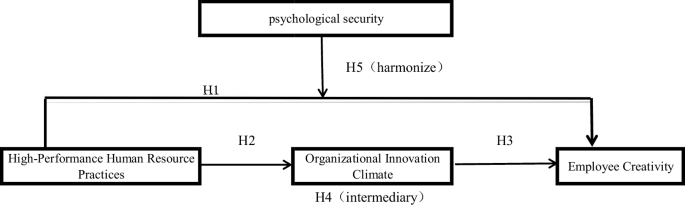
In today’s fast-paced and competitive business landscape, organizations are under increasing pressure to innovate and maintain a competitive edge. Research highlights that high-performance human resource (HR) practices can significantly enhance employee creativity, acting as a catalyst for organizational innovation.
The study delves into how high-performance HR strategies, such as training, development, and equitable compensation, can boost employee creativity. These practices not only improve employee skills and motivation but also create a conducive environment for innovation by fostering an organizational climate supportive of new ideas.
High-Performance HR Practices and Their Impact
High-performance HR practices encompass a variety of management strategies aimed at improving employee competence and motivation. These include rigorous recruiting, comprehensive training, performance management, and fair compensation. Such practices are crucial in stimulating employee creativity, especially in technology-driven industries like research and development (R&D), where the demand for innovation is high.
The Role of Organizational Innovation Climate
An organizational climate that encourages innovation significantly influences employee creativity. The study reveals that a supportive innovation climate mediates the relationship between high-performance HR practices and employee creativity. By promoting knowledge sharing and providing the necessary resources, organizations can create an atmosphere where employees feel encouraged to explore new ideas and take creative risks.
Psychological Safety as a Moderator
Psychological safety, defined as an environment where employees can express ideas without fear of negative consequences, plays a critical role in enhancing creativity. The study finds that psychological safety moderates the impact of high-performance HR practices on creativity. When employees feel psychologically secure, they are more likely to engage in innovative behaviors, further amplifying the positive effects of HR practices.
Practical Implications for Organizations
The findings underscore the importance for organizations to integrate high-performance HR practices with strategies that promote a supportive innovation climate and psychological safety. By doing so, companies can enhance their overall innovation capacity and sustain a competitive advantage in the market.
Organizations should focus on creating a work environment that encourages continuous learning and provides opportunities for career development. Moreover, fostering a culture that tolerates failure and embraces new ideas can lead to higher levels of employee creativity and innovation.
Note: This article is inspired by content from https://www.nature.com/articles/s41599-025-05174-3. It has been rephrased for originality. Images are credited to the original source.