

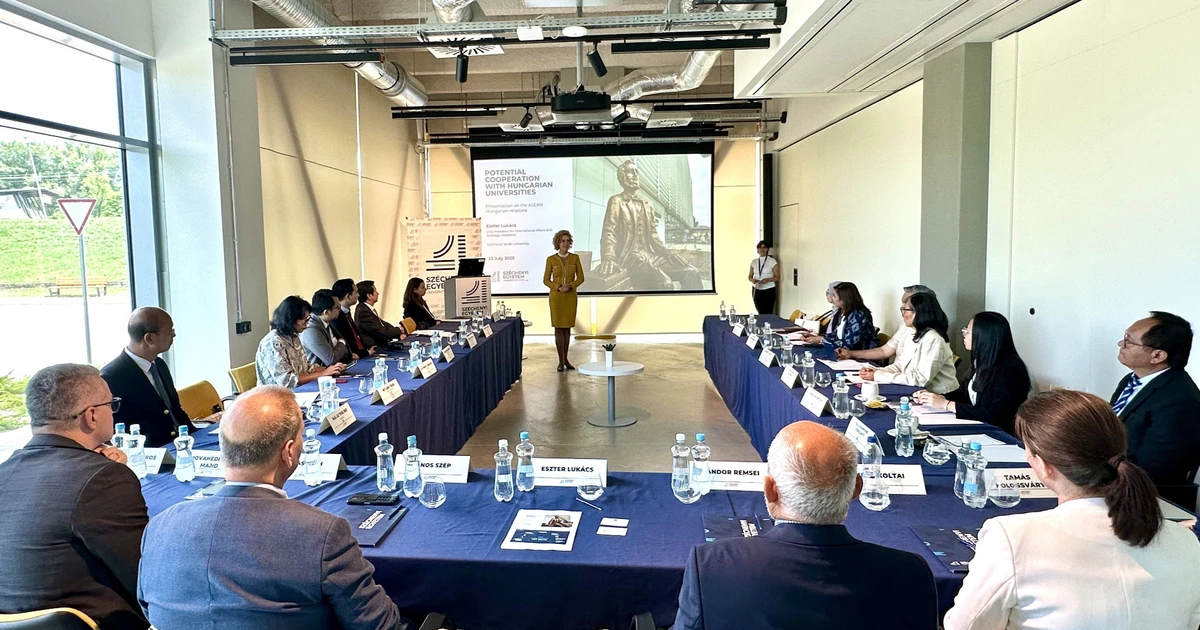
Vietnam and Hungary Deepen Educational Cooperation
Vietnam and Hungary have taken significant steps to strengthen their bilateral ties in the field of human resource training. During a recent official visit, representatives from both nations engaged in comprehensive discussions to expand cooperation in education, with a particular focus on increasing opportunities for Vietnamese students in Hungary.
The meeting underscored the mutual commitment to enhancing academic exchange and building a skilled workforce that benefits both countries. One of the primary goals is to increase the number of Vietnamese undergraduates and postgraduate researchers studying in Hungary, supported by government scholarships and bilateral initiatives.
Memorandum of Understanding to Support Overseas Vietnamese
As part of this collaboration, the Association of Vietnamese Communities in Korea (AVCK) signed a Memorandum of Understanding (MoU) with a South Korean foundation. Although this agreement specifically targets the Vietnamese diaspora in Korea, the broader initiative reflects Vietnam’s global strategy in human resource development and community outreach.
The MoU is designed to advance AVCK’s community-focused programs, which span various sectors including culture, sports, education, and social welfare. Both parties committed to working in close partnership to ensure these initiatives are sustainable and impactful for the Vietnamese community abroad.
Strategic Goals and Areas of Focus
Vietnam and Hungary aim to expand their collaboration beyond traditional educational exchange. Their strategic dialogue also explored new avenues for cooperation in science and technology, vocational training, and professional development. These efforts are part of a broader ambition to build a highly skilled and educated workforce that meets the demands of global economic integration.
Key areas of focus include:
- Expanding scholarship opportunities for Vietnamese students in Hungary
- Joint research projects and academic exchange programs
- Capacity-building and faculty training for Vietnamese universities
- Internship and job placement support for graduates
Both countries view educational collaboration as a foundational element for sustainable development and long-term bilateral relations.
Hungary’s Increasing Role in Vietnamese Higher Education
Hungary has emerged as a promising destination for Vietnamese students seeking high-quality education in Europe. With a growing number of scholarships offered through programs such as the Stipendium Hungaricum, Vietnamese students are increasingly enrolling in Hungarian institutions across various disciplines, including engineering, medicine, and information technology.
Hungary’s commitment to international education and its supportive policies for foreign students have made it an attractive partner for Vietnam. This collaboration not only enhances academic opportunities but also helps foster greater cultural understanding and diplomatic goodwill.
Vietnam’s Strategy for Human Capital Development
Vietnam has placed human resource development at the center of its national strategy for economic growth and global competitiveness. The government has prioritized educational reform, international cooperation, and the promotion of STEM (science, technology, engineering, and mathematics) education to meet the evolving demands of the labor market.
Vietnam’s partnerships with countries like Hungary are instrumental in achieving these goals. By leveraging international expertise and resources, Vietnam aims to create a knowledge-based economy that supports innovation and sustainable development.
Looking Ahead: A Long-Term Vision
The recent discussions and agreements between Vietnam and Hungary represent more than just academic exchanges—they are part of a long-term vision for comprehensive development and international integration. Both countries have expressed their intention to continue exploring new collaborative frameworks that benefit students, educators, and the broader community.
For Vietnam, these partnerships provide valuable pathways for its citizens to gain world-class education and professional skills. For Hungary, they represent an opportunity to strengthen ties with Southeast Asia and contribute to global human capital development.
As these initiatives unfold, they are expected to have a lasting impact on the lives of thousands of students and professionals, as well as on the broader goals of sustainable development and cross-cultural cooperation.
This article is inspired by content from Original Source. It has been rephrased for originality. Images are credited to the original source.