

HR in Retail and Hospitality: A Strategic Imperative
Retail and hospitality industries often operate on thin margins, where employee experience directly translates to customer satisfaction. A disengaged employee or conflict among team members can quickly become apparent to patrons. In such a high-touch environment, human resources must go beyond policy-making—it must become a real-time, strategic function that shapes everyday experiences on the ground.
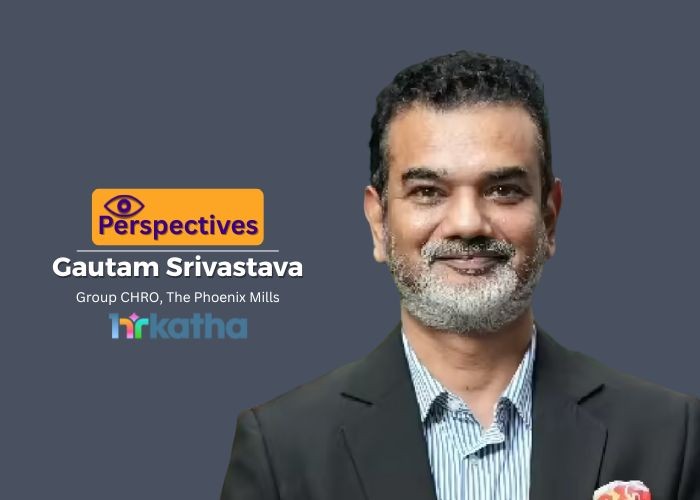
Gautam Srivastava, Group CHRO at The Phoenix Mills, exemplifies this philosophy. Leading a five-generation workforce, he navigates a complex but enriching environment where traditional values meet digital agility. According to Srivastava, managing generational diversity is not a challenge to overcome but a strategic advantage to leverage.
Generational Diversity as an Organizational Asset
Can a single organizational culture serve Baby Boomers and Gen Z simultaneously? Srivastava believes it can—and it must. At The Phoenix Mills, generational diversity is viewed as a strength. Each generation contributes unique skills: older employees bring institutional knowledge and patience, while younger ones introduce innovation and a digital-first mindset. Together, they create a potent mix of stability and adaptability.
The company fosters this integration through initiatives like reverse mentoring, cross-generational collaboration, and flexible work practices. Rather than enforcing uniformity, the aim is to build a unified culture that respects diverse experiences. The organization’s purpose—“creating destinations that inspire”—acts as a cohesive force, aligning employees across age groups. Core values remain unchanged, but their expression adapts with generational trends, making inclusion a lived experience rather than a written policy.
Embedding Curiosity into Work Culture
Srivastava emphasizes that real learning goes beyond training programs. “Learning isn’t an event—it’s a habit,” he asserts. At Phoenix Mills, curiosity is embedded into the daily rhythm of work. Employees are encouraged to ask questions, experiment, and learn through real-world challenges.
This culture is nurtured by removing structural barriers that stifle curiosity—rigid hierarchies, punitive performance systems, and leadership styles that discourage questioning. Instead, the company creates safe environments for experimentation, celebrates intelligent failures, and recognizes individuals who ask insightful questions. It’s not about having all the answers—it’s about asking the right questions.
HR’s Strategic Role in Customer Experience
Contrary to popular belief, HR in the retail and hospitality sectors is far from transactional. Srivastava explains that successful HR professionals in these fields need to be deeply attuned to business dynamics. They must understand how people decisions influence customer experience and commercial outcomes.
“The best HR leaders don’t just manage processes; they design experiences,” he says. These leaders bring together agility, empathy, and business acumen to create environments that boost both employee engagement and brand perception. Their work directly impacts customer satisfaction, making HR a central player in business strategy.
The Future CHRO: A Product Manager Mindset
What does it take to be a CHRO 15 years from now? Srivastava believes the answer lies in blending human empathy with digital fluency. While foundational HR knowledge remains important, future leaders must also master AI, data storytelling, and design thinking.
He likens the future CHRO to a product manager—someone who designs employee journeys, anticipates behaviors through analytics, and solves problems through iterative experimentation. It’s less about coding and more about connecting the dots between technology, human behavior, and business value. These leaders will not only craft policies but design holistic experiences that align with organizational goals.
Career Mobility: Depth Over Breadth
For early-career HR professionals, the question of whether to stay or move frequently is a common dilemma. Srivastava advises against becoming a “collector of experiences without depth.” True professional growth, he argues, occurs when one stays long enough to witness the outcomes of their decisions—be it during a transformation, crisis, or cultural shift.
Mobility can offer breadth, but only when it aligns with a sense of purpose. “Move when there’s learning, or when values misalign. Stay when you see impact and growth,” he recommends. The key is to be intentional—understand what each role offers and make career decisions based on learning and alignment, not restlessness or comfort.
Ultimately, Srivastava’s vision for HR is one of integration: blending generations, merging empathy with technology, and aligning employee experience with business strategy. The future CHRO, in his view, will not merely administer policies—they will design the very fabric of organizational life.
This article is inspired by content from Original Source. It has been rephrased for originality. Images are credited to the original source.