

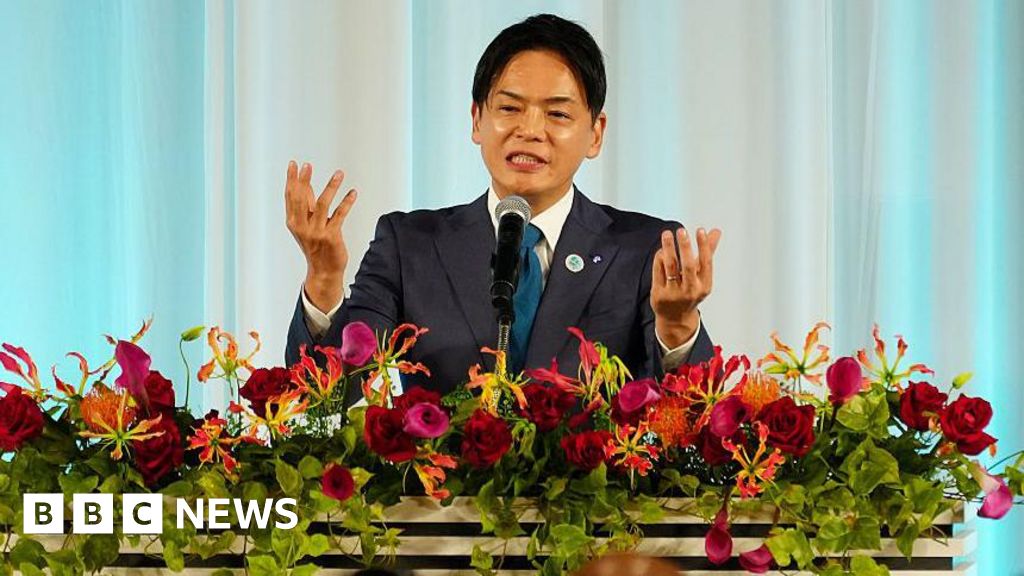
Yokohama Mayor Issues Public Apology Over Offensive Comments
The Mayor of Yokohama, Takeharu Yamanaka, has issued a formal apology after being accused of workplace harassment for making disparaging remarks about city officials. The controversy erupted following a press conference during which the city’s human resources chief, Jun Kubota, claimed Yamanaka used terms such as “idiot” and “human scum” to insult his colleagues.
These allegations mark an unusual and dramatic development in Japan’s typically restrained political environment, where public confrontations between government officials are rare.
Details of the Allegations
During Thursday’s press briefing, Kubota outlined a series of offensive remarks allegedly made by Mayor Yamanaka. The mayor was said to have repeatedly insulted city staff, including calling them “useless,” “silly,” and “low-spec.” He also allegedly commented negatively on employees’ appearances and compared them to animals.
In a particularly alarming accusation, Kubota reported that the mayor pressured him with a threat of seppuku—a traditional Japanese ritual suicide—if he failed to secure a bid for an international conference. This statement shocked many and further intensified calls for accountability.
Mayor’s Response and Partial Admission
Initially, Mayor Yamanaka denied all allegations, releasing a statement on his personal website refuting Kubota’s claims. However, following growing pressure and media scrutiny, the mayor reversed his stance. On Friday, he publicly acknowledged that he had indeed used some of the offensive language, including calling staff “idiots” and “human scum.”
“I want to frankly apologise for placing a psychological burden on the personnel director,” Yamanaka said during a press conference. “I am reflecting on this. I will be more careful with my words and behaviour.”
Despite his partial admission, Yamanaka denied making certain remarks, such as those about staff appearance or the seppuku comment. He claimed his offensive words occurred in the context of personnel evaluations and were not meant as personal attacks.
Calls for Investigation
In response to the controversy, Yamanaka stated that an official investigation might be launched, potentially overseen by the deputy mayor. He pledged to cooperate fully if such an inquiry is initiated, saying he would do so “sincerely.”
However, Kubota remained skeptical of the mayor’s apology and disputed Yamanaka’s claim that he had not made the more egregious comments. “The mayor doesn’t understand anything. I cannot accept that as an apology. I want him to change,” Kubota stated firmly.
Wider Implications and Public Reaction
The situation has sparked a broader conversation about workplace culture and leadership standards in Japan. Public officials and citizens alike are expressing concern over the tone and language used by those in power, particularly within government institutions.
Experts suggest that this incident could prompt greater scrutiny of political leaders and their conduct in office. It may also encourage more employees to come forward with allegations of harassment, a topic that has historically been underreported in Japan’s highly hierarchical society.
Next Steps for Yokohama’s Leadership
As the city awaits a decision on whether a formal investigation will proceed, the spotlight remains on Mayor Yamanaka’s leadership. His ability to regain public trust and maintain effective governance amid the controversy is being closely watched.
For now, the mayor appears to be attempting damage control, emphasizing his willingness to reflect and improve. Whether that will be sufficient to quell public and internal criticism remains to be seen.
This article is inspired by content from Original Source. It has been rephrased for originality. Images are credited to the original source.