

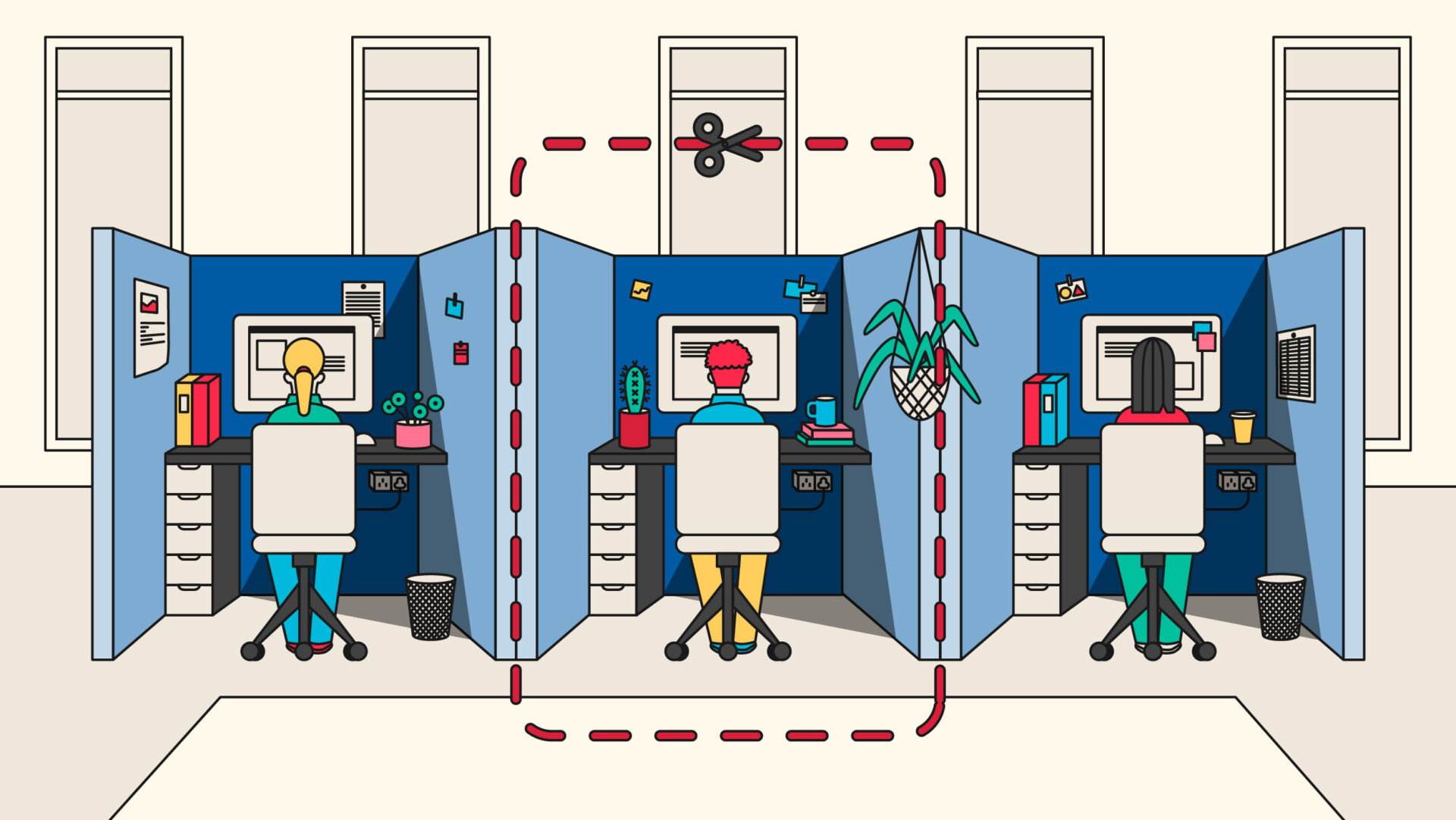
Understanding the Complexity of Employee Turnover
Employee turnover has become a focal point in HR discussions, especially in the wake of global events such as the Covid-19 pandemic. While the ‘great resignation’ dominated headlines as workers sought to leave unsatisfying jobs, recent trends have shifted. High inflation and economic uncertainty have encouraged many employees to prioritize job security, leading to a phenomenon dubbed the ‘big stay’ by the Chartered Institute of Personnel and Development (CIPD).
Despite these shifts, one message remains consistent for HR leaders: retaining top talent is critical. However, experts warn that extremely low turnover rates can be just as problematic as high churn. A balanced approach, informed by nuanced analytics, is essential for organizational health and agility.
Defining a ‘Normal’ Turnover Rate
Pinpointing a standard turnover rate is challenging. The Office for National Statistics reports a UK-wide employee turnover rate of 35%, which includes part-time, gig, and temporary roles. Excluding non-voluntary departures and focusing on full-time employees, that figure drops to a more realistic 15%. This suggests that approximately one in seven full-time employees leaves their job annually.
However, these numbers only tell part of the story. Turnover must be analyzed in context, considering factors such as industry, job role, location, and personal circumstances. HR leaders are increasingly turning to AI-driven analytics tools to decode these dynamics and make informed decisions on staffing strategies.
Looking Beyond the Numbers
Thomas Calvard, senior lecturer in human resource management at the University of Edinburgh, notes that traditional views on turnover are outdated. “The 20th-century perspective was binary — dissatisfaction leads to resignation,” he says. “Today, it’s a more complex, unfolding process.”
Modern HR strategies must account for both intrinsic motivators, such as job satisfaction and career growth, and extrinsic factors, including hybrid work policies and personal circumstances. Every element of an organization’s HR approach can either attract or repel talent, intentionally or not.
Sector and Regional Variations
Turnover rates vary widely across industries. According to CIPD data:
- Public sector: 24%
- Financial services: 26%
- Accommodation and food services: 52%
Retail is another high-turnover sector, with rates exceeding 50%, prompting warnings from the British Retail Consortium in 2024. Geography also plays a significant role. Rural employers often experience lower turnover due to limited job alternatives, while countries like Spain maintain extremely low turnover (around 3%) due to persistent unemployment fears. In contrast, the U.S. sees turnover rates regularly topping 40% owing to a culture that embraces job mobility.
Demographics and Predictive Analytics
Analyzing turnover by demographics, job function, and tenure can reveal underlying patterns. For example, women returning from maternity leave often leave within a few years, a trend companies should proactively plan for. Younger employees frequently exit their first jobs within two to three years due to limited advancement opportunities.
At global betting firm Entain, Ciprian Arhire, global head of people programs and analytics, leverages data to examine turnover by role and region. He correlates this with employee engagement and sentiment data to identify which roles are both high-risk and hard to fill. Exit interviews also provide insights, with lack of career progression commonly cited as a reason for leaving.
Good vs. Bad Turnover
Not all turnover is detrimental. A 2021 University of California study linked high turnover with poor financial performance, citing companies like Abercrombie & Fitch (37%) and Tesla (34%). Amazon allegedly had a turnover rate of 150% in 2022, a figure it denies. Conversely, Nvidia reported a mere 0.9% turnover in its Chinese division.
Yet, overly low turnover can hinder innovation. Public sector HR leaders often struggle to bring in fresh talent due to single-digit attrition. Moreover, retaining disengaged employees can be just as harmful as losing productive ones.
Strategic Responses to Turnover
Interpreting turnover data is only the first step. Solutions require thoughtful implementation. Arhire cautions against assuming pay raises will resolve turnover. Calvard recommends targeted benefits like flexible schedules, childcare support, or retirement planning.
Proactive engagement tools such as ‘stay interviews’ can help identify at-risk employees before they decide to leave. These conversations offer valuable insights into employee aspirations and potential concerns.
In some cases, letting staff go amicably is the best course of action. “Don’t burn bridges,” Calvard advises. “Let people go with a nice handshake — they might come back.”
Maintaining an alumni network allows HR teams to re-engage former employees and track top talent. After all, some turnover is inevitable — and occasionally out of any employer’s control. As a light-hearted example, a Welsh factory was forced to shut down in 2000 after its entire workforce shared a £4.4 million lottery jackpot.
Conclusion: Aim for Balance, Not Zero Turnover
Ultimately, HR leaders must embrace a balanced view of employee turnover. Both excessive and minimal attrition can signal deeper organizational issues. With the aid of analytics and a nuanced understanding of workforce dynamics, businesses can fine-tune their retention strategies to foster long-term growth and resilience.
This article is inspired by content from Original Source. It has been rephrased for originality. Images are credited to the original source.