

HR at the Center of Transformation
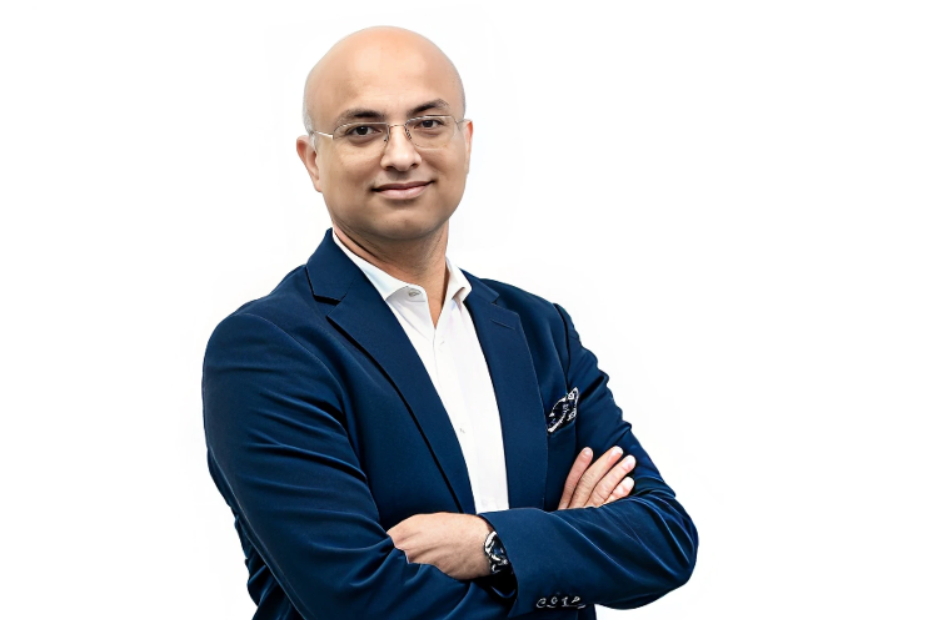
As the MENA region navigates rapid technological advancements, evolving workforce expectations, and increasingly complex regulations, human resource (HR) leaders are playing a more strategic role than ever before. Vivek Arora, Managing Director of the Society for Human Resource Management (SHRM) MENA, believes the future of HR hinges on balancing innovation with the human essence of the workplace.
“We are in unprecedented times,” Arora noted. “HR leaders are navigating the dual pressures of adopting generative AI (GenAI) while ensuring people remain central to workplace decisions through investments in leadership, culture, and strategic workforce planning.”
This balance will be a key focus at the SHRM MENA Annual Conference & Expo 2025 in Dubai, where leaders will explore how to embrace transformation while maintaining a culture rooted in human intelligence.
Emiratisation: Strategy Over Compliance
In the UAE, Emiratisation continues to shape HR strategies. Organizations are expected not just to meet employment quotas but to create sustainable career pathways for Emiratis.
“It’s not just about compliance,” said Arora. “We must map roles that leverage expatriate expertise while fast-tracking Emirati talent through structured mentorships, internships, and credentialing programs.”
He emphasized the importance of building a skills taxonomy that allows for collaboration between local and foreign workers, ensuring long-term workforce development rather than short-term quota fulfillment.
Elevating Employee Well-being
Employee well-being has risen to strategic prominence. Regional firms are adopting diverse programs that go well beyond legal requirements.
“Flexible hours, mental health support, family benefits, gym memberships, AI-enhanced employee experience platforms—these are just a few examples,” Arora explained. “Organizations that have implemented such initiatives report significant increases in satisfaction, retention, and engagement.”
Arora urged HR professionals to share successful practices across networks to enhance well-being outcomes across the region.
AI and the Evolution of HR Tech
Artificial intelligence is dramatically reshaping HR operations, from recruitment to analytics. Arora predicts a future where AI will co-create HR solutions and automate entire work cycles using Robotic Process Automation (RPA).
“AI is moving from natural language processing assistants to Agentic AI that can take over entire HR functions,” he said. “We’re also seeing exciting potential in combining AI with AR and VR to offer immersive onboarding and training.”
The HR Tech Expo at the upcoming SHRM MENA Conference will showcase these innovations, offering HR professionals hands-on exposure to regional solutions.
Case Study: Dubai Police
Arora cited Dubai Police as a prime example of innovative HR strategy. “They’ve developed multi-track programs aligned with Emiratisation, focusing on future-readiness, career mobility, and job role architecture,” he said.
These initiatives include scholarships, advanced training, and a robust employee value proposition, all aligned with cultural values and future workforce needs.
The Rise of the Digital Nomad
With advanced infrastructure and progressive visa policies, the UAE is becoming a global hub for digital nomads. Arora highlighted the growing importance of integrating these workers into corporate frameworks.
“The biggest hurdle is outdated employment policies that can prevent HR from leveraging this talent pool,” he noted. “We must develop flexible models that allow digital nomads to contribute meaningfully.”
Rethinking Team Culture
Remote and hybrid work models demand new strategies for maintaining team cohesion and performance. Arora stressed the need to move beyond traditional time-based metrics and instead focus on output and fairness using people analytics.
“Measuring presence is outdated. We must assess performance based on outcomes and ensure access to growth opportunities regardless of location,” he said. Managerial development, he added, will be pivotal in sustaining inclusive and high-performing distributed teams.
Compliance in a Changing Landscape
The shift to flexible work also presents legal and regulatory challenges. Arora urged HR leaders to stay updated on evolving regulations, particularly concerning tax, social security, and remote work risks.
“The UAE’s Federal Decree-Law 33/2021 has laid a solid foundation, but HR professionals must remain vigilant and consult legal experts when needed,” he advised. SHRM supports this effort by disseminating updates through newsletters and hosting awareness events.
Future Workforce Planning
The emergence of digital nomads is prompting a reevaluation of traditional workforce models. Arora advocates for a blended approach that combines core employees with a flexible cloud of specialists.
“Controlling organizational culture across borders will be more complex,” he said. “That’s why HR must reinforce values, coach managers, and ensure transparent work paths.”
This new model could drive innovation and strengthen global partnerships, positioning the MENA region as a leader in workforce transformation.
Evolving HR Events
As the HR landscape transforms, so must the platforms that support it. Arora envisions future events focusing more on skills mapping, digital integration, and mental health.
“Collaboration between event organizers and governments is essential to foster regulatory awareness and offer region-specific solutions,” he said. The SHRM MENA Conference aims to be that bridge—connecting global trends with local relevance.
Ultimately, Arora believes the future of HR lies in harmonizing technology with human insight. “Our belief at SHRM is that AI must be balanced with Human Intelligence (HI). That’s the only way to ensure sustainable, people-centered transformation.”
This article is inspired by content from Original Source. It has been rephrased for originality. Images are credited to the original source.