

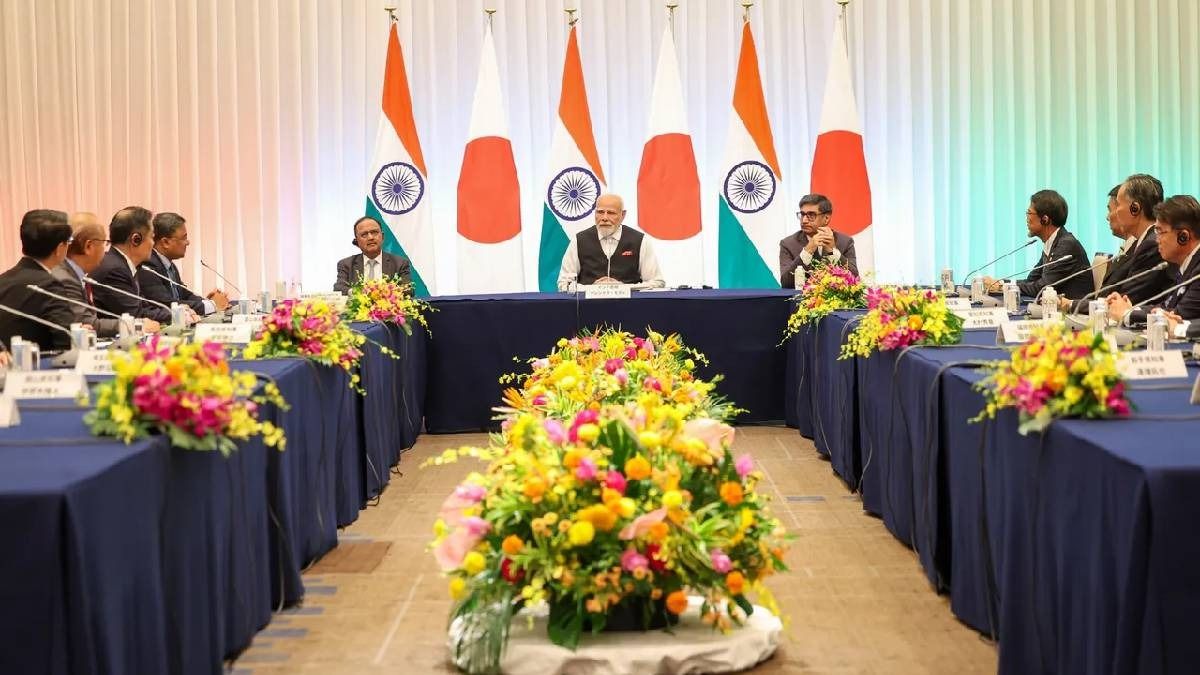
India and Japan Launch Landmark Human Resource Exchange
In a significant development aimed at strengthening bilateral ties and addressing skilled labor shortages, India and Japan have announced a comprehensive Human Resource (HR) Exchange agreement. This initiative will facilitate the movement of up to 500,000 individuals between the two nations over the next five years, with a special focus on skilled and semi-skilled Indian workers seeking employment opportunities in Japan.
50,000 Indian Workers to Benefit
According to the Ministry of External Affairs (MEA), the pact includes provisions for 50,000 skilled Indian professionals to secure work placements in Japan. These jobs will span a diverse range of sectors, including manufacturing, healthcare, agriculture, construction, and services. The agreement not only addresses Japan’s aging population and labor shortages but also provides Indian workers with international career opportunities and exposure to advanced technologies.
Training and Language Support
To ensure a smooth transition, the partnership includes comprehensive training programs for selected Indian workers. These programs will cover technical skills and Japanese language proficiency, enabling workers to integrate more effectively into Japan’s workforce. The training will be conducted through India’s Skill Development and Entrepreneurship Ministry in collaboration with Japanese institutions and employers.
The HR exchange is aligned with Japan’s ‘Specified Skilled Worker’ (SSW) visa program, which was introduced in 2019 to attract foreign labor in 14 designated sectors. This new agreement strengthens the framework under which Indians can qualify and apply for these positions, with a clear pathway for testing, certification, and placement.
Diplomatic and Economic Implications
The HR agreement marks another milestone in the growing strategic partnership between New Delhi and Tokyo. Both countries have reaffirmed their commitment to deepening cooperation not only in economic and technological domains but also in human capital development.
“This initiative reflects the shared vision of India and Japan to build a mutually beneficial partnership in the global labor market,” an MEA spokesperson stated. The move is also expected to enhance India’s global image as a hub for skilled talent and strengthen bilateral cooperation in education and cultural exchange.
Boost for India’s Skilled Workforce
India has long emphasized the importance of upskilling its vast labor force to meet global demands. This agreement with Japan provides a concrete platform for Indian workers to access high-quality employment opportunities abroad. By doing so, it also supports India’s broader goal under the Skill India Mission, which aims to train over 400 million people in market-relevant skills by 2025.
Indian workers participating in the program will benefit from Japanese labor standards, high wages, and access to career development tools. In return, Japanese industries will gain access to a pool of motivated and qualified labor, easing the pressure on domestic labor shortages caused by the country’s declining birthrate and aging population.
Implementation and Future Outlook
The agreement will be implemented through a series of bilateral mechanisms, including technical working groups and inter-ministerial committees. These bodies will oversee the selection, training, and deployment of Indian workers, as well as ensure compliance with labor and immigration laws in both countries.
Experts view this as a model for future labor exchanges between developing and developed nations. By creating structured, transparent processes for migration and employment, such agreements can address global labor imbalances while promoting ethical recruitment practices.
Japan has previously signed similar agreements with countries like Vietnam, the Philippines, and Indonesia. However, India’s large and growing workforce, combined with its commitment to skill development, makes it a particularly strategic partner in this regard.
Voices from the Industry
Industry stakeholders have welcomed the agreement, calling it a “win-win” for both economies. Japanese employers, especially in sectors like elder care and construction, have expressed optimism about the infusion of skilled Indian labor. Meanwhile, Indian training institutes are gearing up to meet the demand for Japanese language and technical training.
“This agreement is a game-changer,” said a spokesperson from the Confederation of Indian Industry (CII). “It opens doors for Indian youth while helping Japanese industries remain competitive.”
This article is inspired by content from Original Source. It has been rephrased for originality. Images are credited to the original source.