

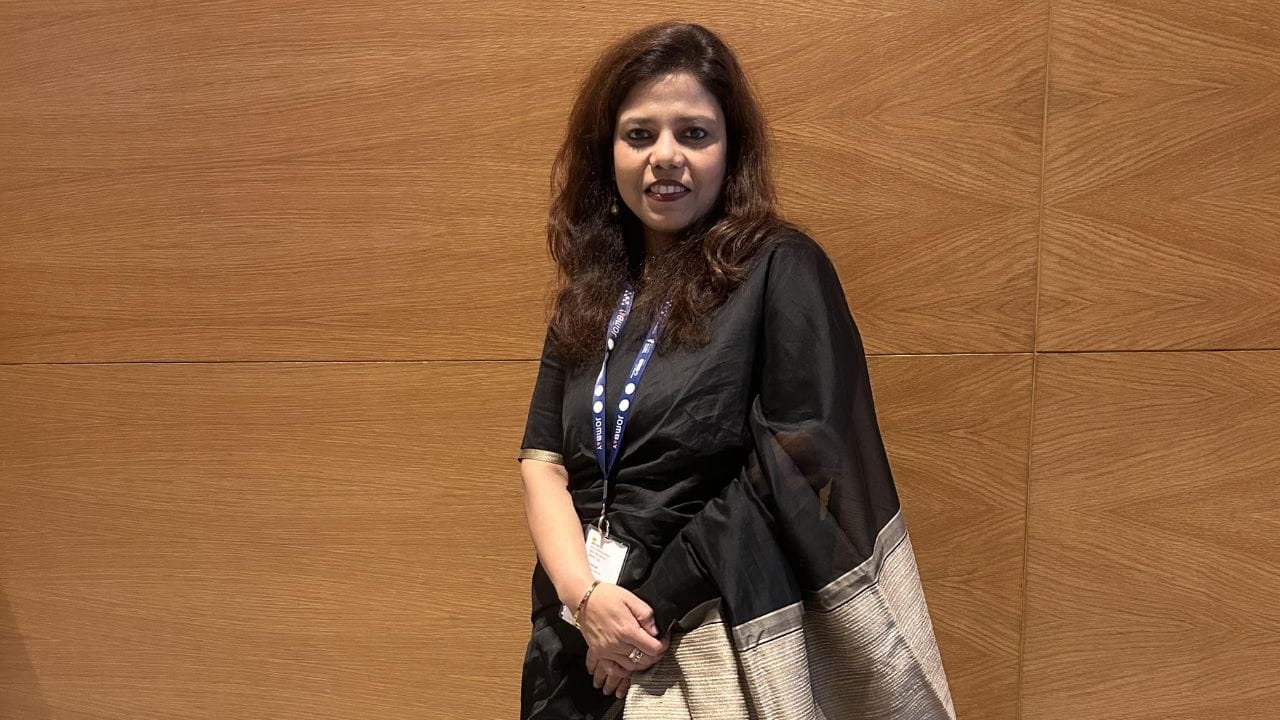
Pallavi Poddar Appointed as CHRO at Knauf India
Pallavi Poddar has been appointed as the Chief Human Resources Officer (CHRO) at Knauf India, a move that underscores the company’s commitment to advancing its talent management strategy. As the building materials giant continues to expand its market presence, the focus_keyword talent management strategy takes center stage in shaping the organizational culture and driving business growth.
Strategic Focus on Talent Management at Knauf India
In her new role, Poddar will spearhead the company’s entire HR strategy, centering on talent transformation, leadership development, and organizational effectiveness. Her appointment signals Knauf India’s intent to cultivate a high-performance culture that is in sync with evolving business needs. The talent management strategy at Knauf India is designed to support continued growth, innovation, and operational excellence.
With the construction industry rapidly evolving, Knauf India recognizes the importance of robust HR leadership to ensure the company’s workforce remains agile and motivated. Poddar’s mandate includes overseeing talent development programs and culture-building initiatives that align with the company’s long-term objectives.
Pallavi Poddar’s Extensive HR Leadership Experience
Poddar brings over 20 years of multifaceted HR leadership experience within the industrial and manufacturing sectors. Prior to joining Knauf India, she served as CHRO at Fenesta Windows, where she led comprehensive talent strategies and partnered with executive teams to drive transformation initiatives. Her expertise in implementing effective talent management strategy has been pivotal in shaping organizations for sustainable growth.
Her distinguished career also includes the role of Regional HR Director for India, Middle East, and Africa at Ingersoll Rand. In this capacity, Poddar guided HR strategies across diverse markets, focusing on organizational design, talent management, and change leadership. Additionally, she has held leadership positions at Schneider Electric and Nestlé, where she was involved in talent acquisition, performance management, and HR process optimization for manufacturing operations. Her entrepreneurial stint as Director at ASESA Talent Partners further solidified her credentials in HR consulting and advisory services.
Qualifications and Vision for Knauf India
Poddar holds an MBA in Human Resources from the Symbiosis Center for Management and Human Resource Development. Her educational background and professional journey position her well to lead the company’s talent management strategy as Knauf India embarks on its next phase of growth.
Commenting on her appointment, Poddar expressed enthusiasm about contributing to Knauf India’s vision by strengthening the people function and fostering leadership at all levels. She aims to leverage her experience to build a dynamic workforce that is adaptable to market challenges and opportunities.
Industry Context: Talent Management as a Strategic Imperative
The appointment comes at a time when companies across industries are prioritizing strategic HR leadership to navigate transformation and scale operations. For Knauf India, enhancing its talent management strategy is crucial to maintaining a competitive edge in a dynamic market. This move is expected to help the company better align its talent initiatives with business expansion goals and evolving industry standards.
As organizations increasingly recognize the value of strong HR leadership, Poddar’s expertise in talent management is set to play a vital role in shaping Knauf India’s future. Her holistic approach to HR promises to unlock new levels of performance and engagement across the organization.
Conclusion: Strengthening HR for Sustainable Growth
Pallavi Poddar’s appointment as CHRO marks a pivotal moment for Knauf India, reflecting the company’s dedication to effective talent management strategy. With her extensive experience and visionary leadership, Knauf India is poised to foster a high-performance culture and drive sustainable business growth through people-centric transformation.
This article is inspired by content from Original Source. It has been rephrased for originality. Images are credited to the original source.