

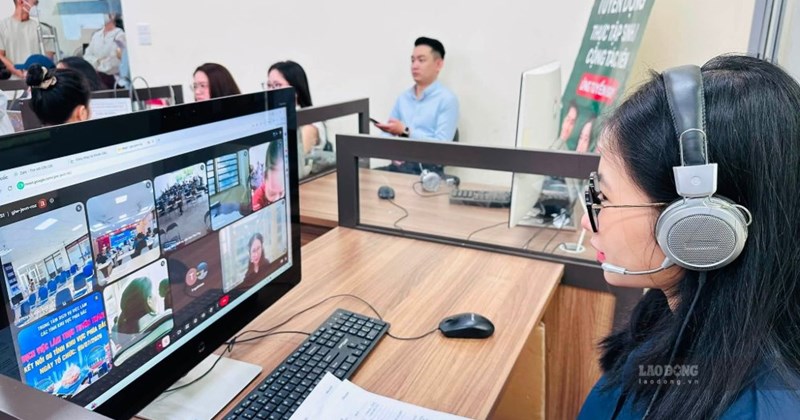
Proactive Human Resource Training: Meeting Business Demands
In today’s rapidly evolving economy, human resource training must keep pace with the shifting needs of businesses. As industries continue to innovate and expand, aligning workforce skills with real-world requirements has become more critical than ever. Proactive training strategies that anticipate business needs from the outset of project planning can ensure enterprises have access to skilled, job-ready talent when it matters most.
The Persistent Mismatch Between Training and Business Requirements
Despite positive economic signals—such as an 8.10% increase in GRDP and the creation of nearly 10,000 new businesses in Hanoi during the first half of 2026—many organizations still struggle to find candidates whose skills match their requirements. The demand for workers in sectors like trade, services, information technology, logistics, finance, and digital marketing is rising. Yet, businesses increasingly prioritize applicants with specialized expertise, vocational skills, and technological proficiency—qualities often lacking among job seekers.
Experts highlight that the issue is not simply the quantity of individuals trained but the quality and relevance of their training. Dr. Nguyen Chi Truong, Head of the Vocational Skills Department at the Ministry of Education and Training, emphasizes that both salary and job placement should be based on actual skill assessments rather than formal qualifications alone. This approach ensures that human resource training genuinely prepares individuals for the demands of modern workplaces.
Bridging the Skills Gap: Collaborative Solutions
Vietnam faces a growing gap between the outcomes of human resource training programs and the real-world skills businesses require. Existing mechanisms to assess and recognize professional skill levels need further development, especially regarding collaboration between government agencies, educational institutions, and employers.
Dr. Truong advocates for a tighter integration among these stakeholders. Management agencies should refine regulations to better connect education with labor market needs. Training institutions must shift their focus toward developing vocational and expert skills, while businesses should actively participate in defining skill requirements and shaping training curricula. This holistic approach to human resource training can lead to better alignment between coursework and job market expectations.
The Three-Party Cooperation Model
Mr. To Xuan Giao, Vice Chairman of the Vietnam Vocational Education Association, notes that deeper business involvement in training is already yielding positive changes. Some companies now provide schools with updated equipment and real-world production models, helping students access technologies parallel to those found in the workplace. However, challenges remain: many school-business partnerships lack binding commitments, and students often struggle to secure meaningful internships, which complicates their transition into the workforce.
To address these issues, Mr. Giao recommends moving businesses beyond a passive recruiting role to become active partners in the training process. A tripartite cooperation model—bringing together schools, students, and businesses—can create a clearer career path for learners, secure internship opportunities, and ensure recruitment commitments. This model not only enhances the effectiveness of human resource training but also improves outcomes for all stakeholders.
Encouraging Lifelong Learning and Open Education Models
Another solution involves developing open learning pathways that allow vocational learners to continue their studies at higher levels, such as colleges or universities. This approach helps eliminate the bias toward academic degrees and encourages a culture of lifelong learning. By supporting continuous skill development, Vietnam can build a workforce capable of adapting to technological advances and new industry standards.
Strategic Workforce Planning for Project-Driven Growth
Experts agree that human resource training should be embedded in the development plans of each locality. Regions attracting significant projects must proactively assess their workforce needs—including quantity, industry specialization, and skill levels—well before projects become operational. This forward-thinking strategy prevents last-minute talent shortages and ensures that local labor markets are prepared to support new business ventures.
Vietnam’s approach to human resource training is also closely tied to technology transfer, particularly in sectors like railway operations. By integrating skill development with the adoption of modern technologies, the country is laying the groundwork for a workforce that can manage, operate, and maintain advanced systems independently.
Conclusion: The Future of Human Resource Training
Aligning human resource training with business needs is no longer optional—it is essential for sustainable economic growth. By fostering close cooperation among government, education, and industry, Vietnam can ensure its workforce is prepared to meet the challenges of tomorrow’s labor market. As the demand for specialized skills continues to rise, proactive and collaborative training models will play a decisive role in shaping the nation’s future competitiveness.
This article is inspired by content from Original Source. It has been rephrased for originality. Images are credited to the original source.