

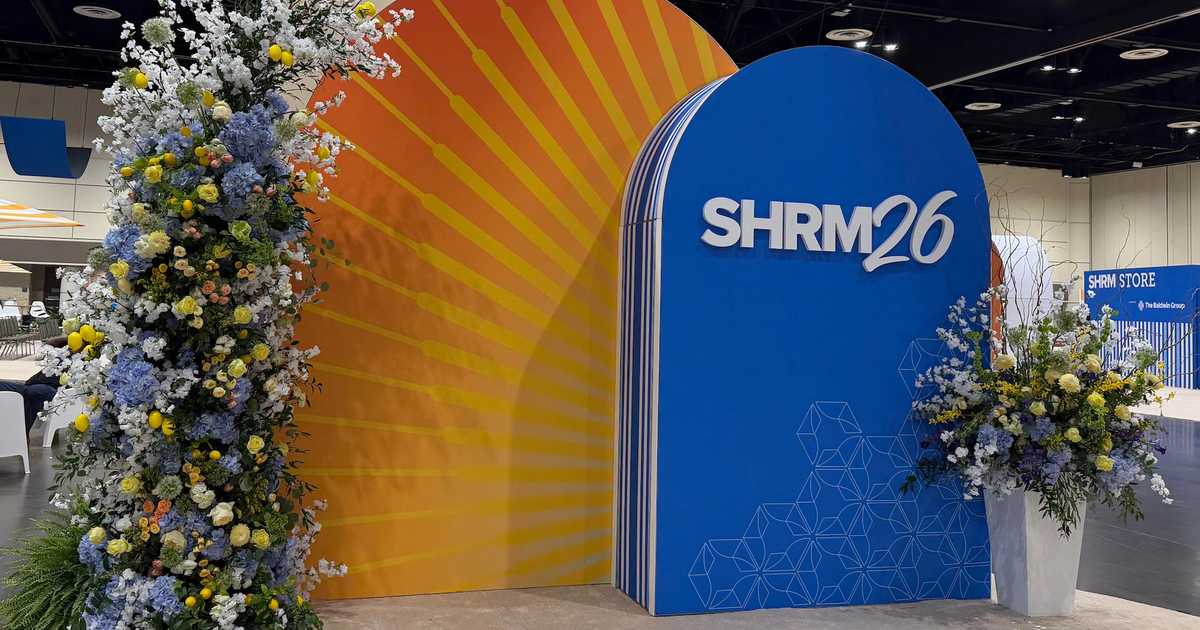
SHRM Conference Sets the Stage for AI and Employee Well-Being
The annual Society for Human Resource Management (SHRM) conference in Orlando drew an impressive crowd of over 25,000 HR professionals this June. The event underscored the growing importance of employee well-being and the impact of artificial intelligence (AI) on today’s workplaces. Attendees braved both Florida’s humidity and icy air conditioning to gain fresh perspectives on how AI is disrupting HR and how companies can better support their teams’ mental and physical health.
Celebrity Voices Spotlight Workplace Culture and Well-Being
This year’s conference attracted headline-making speakers, including Oprah Winfrey, who discussed the role of company culture in organizational success. Actor James Marsden shared career advice focused on collaboration and adaptability. Perhaps most notably, athlete, comedian, and wellness advocate Terry Crews took the stage alongside Wellhub’s SVP Mike Daoust. Their message was clear: employee well-being should be a foundational standard, not just a perk. Crews emphasized, “Fun is the point. Burnout comes when you are not having fun, when you are not enjoying what you are doing…I made a rule, I said, ‘Man, I got to enjoy what I’m doing. It does not have to be painful.’”
AI Adoption Brings New Challenges for HR
With the rapid integration of AI into HR processes, leaders are tasked with keeping the human element front and center. During panels and networking sessions, Chief Human Resource Officers (CHROs) repeatedly stressed that, despite technological advancements, the human spirit remains vital to organizational success. However, the transition to AI-driven systems is not without its challenges. According to a recent survey by Headspace, 70% of 700 workers reported their companies had implemented new AI tools in the past few months. The same study found that 55% of employees sacrificed sleep to meet performance goals, 51% felt emotionally detached, and 45% experienced resentment toward leadership during these periods of change.
HR Leaders Urged to Champion Well-Being Amid AI Change
Johnny C. Taylor, Jr., SHRM’s president and CEO, addressed conference attendees with a call to action: HR professionals must evolve into “chief work officers” who oversee output from both people and technology. He advised, “If you want to do the job that you’ve done for the last 10, 20, hell, five years, then you’re in trouble…Embrace AI and use it to do the strategic value-added stuff that makes HR really valuable.” Taylor emphasized that HR’s role is more critical than ever, as CEOs depend on them to ensure effective collaboration between human and technological resources. As the workplace landscape evolves, supporting employee well-being becomes even more essential.
Best Practices and Takeaways for HR Professionals
The SHRM conference made it clear that the intersection of AI transformation and employee well-being is shaping the future of HR. Key strategies for navigating this shift include:
- Making employee well-being a core value, not just an added benefit
- Encouraging open conversations about mental health and stress
- Leveraging AI to automate routine tasks, freeing HR to focus on strategic, people-centric initiatives
- Providing training and resources to help employees adapt to new technologies
HR professionals are encouraged to proactively address these challenges by fostering a culture where well-being is prioritized and by leveraging AI as a tool for empowerment, not replacement.
Conclusion: A New Era for HR Strategy
The SHRM conference reinforced that employee well-being and AI transformation are inseparable priorities for modern HR leaders. As organizations navigate these changes, prioritizing the health and happiness of employees will remain crucial for success. By championing both technological innovation and genuine care for their teams, HR professionals can lead the way in building resilient, future-ready workplaces.
This article is inspired by content from Original Source. It has been rephrased for originality. Images are credited to the original source.