

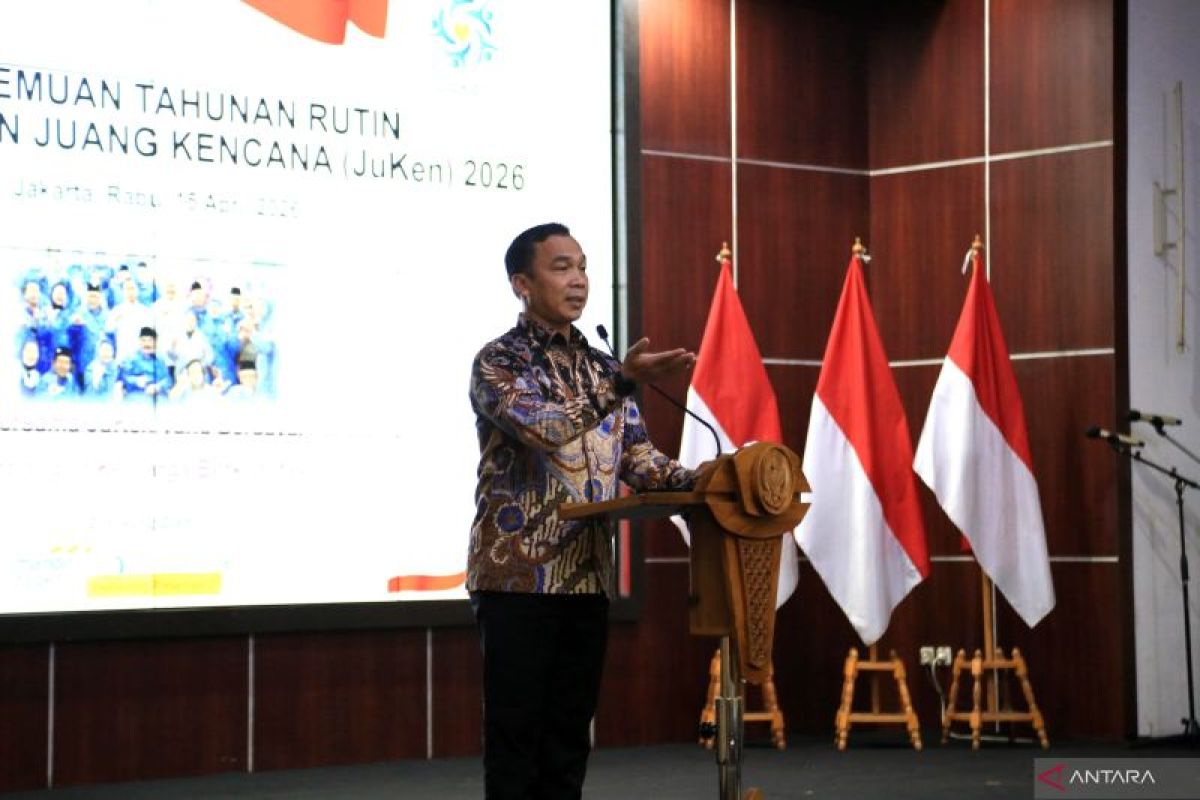
The Role of Social Solidarity in Achieving Indonesia’s Demographic Bonus
Indonesia is at a pivotal moment, enjoying the benefits of a demographic bonus—a period when the working-age population far exceeds the non-working-age groups. According to the Ministry of Population and Family Development, family planning programs, bolstered by strong social solidarity, have been central to reaching this advantageous position. As the country continues to reap the rewards of decades-long efforts, experts emphasize that maintaining and enhancing family planning initiatives remains critical for future national development.
Historical Roots of Indonesia’s Demographic Success
The seeds of Indonesia’s demographic bonus were sown many years ago. Minister of Population and Family Development, Wihaji, highlighted the pivotal role played by Prof. Haryono Suyono, the first head of the National Population and Family Planning Board (BKKBN), in establishing and promoting the family planning program. This long-term commitment to family planning has resulted in a productive age group (14-65 years) that now forms the backbone of the nation’s workforce.
Wihaji stated, “We are reaping this demographic bonus from Prof. Haryono Suyono, through the family planning program, resulting in today’s demographic bonus—namely, the productive age group of 14-65 years.”
Social Solidarity: The Key to Program Success
A notable factor behind the success of Indonesia’s family planning initiatives has been the strong sense of social solidarity. Communities have come together to participate in, promote, and support the program. This collective spirit made it possible to gather participants, share information, and provide accessible family planning services across the country.
Wihaji emphasized, “There was strong collective effort in gathering participants, providing services, and promoting contraception as a method in the family planning approach.” This cohesion is considered vital to sustaining the progress already achieved and ensuring the continued effectiveness of family planning as a tool for national development.
Family Planning and Human Resource Development
Beyond population control, family planning is increasingly recognized as a strategic pillar for developing high-quality human resources. The government’s current approach focuses on strengthening family-based development, utilizing the “eight family functions” as the cornerstone of national progress. By integrating family planning with broader social and economic policies, Indonesia aims to accelerate poverty alleviation and enhance the overall quality of its workforce.
“The ministry is strengthening a family-based development approach through the implementation of eight family functions as the main foundation of national development. We will continue to work tirelessly to build and be empowered together in contributing to Indonesia,” Wihaji added.
International Recognition and Ongoing Commitment
Indonesia’s achievements in family planning have not gone unnoticed on the global stage. Former BKKBN head Haryono Suyono recalled the nation’s 1989 United Nations Population Award, which recognized Indonesia’s commitment to reducing fertility rates and improving population health. Such international accolades underscore the importance of the country’s ongoing efforts to optimize the demographic bonus through quality family development and human resource competitiveness.
Through cross-generational collaboration and ongoing program renewal, the BKKBN and Ministry of Population and Family Development reaffirm their dedication to leveraging family planning as a vehicle for sustained national growth.
Future Challenges and Opportunities
As Indonesia looks to the future, maintaining social solidarity and continuing to invest in family planning programs will be crucial. The demographic bonus offers a unique opportunity, but it comes with the responsibility to ensure that the productive-age population is equipped with the skills, education, and health needed to drive economic growth and innovation.
Government officials and experts agree: the synergy between family planning and social solidarity must be preserved and strengthened to maximize the country’s demographic potential and secure a prosperous future for all Indonesians.
Conclusion: Family Planning as the Cornerstone of Demographic Advantage
Indonesia’s experience demonstrates that family planning, underpinned by social solidarity, is essential for achieving and sustaining a demographic bonus. As the nation continues its journey toward development, a robust commitment to family planning will remain at the core of strategies to build quality human resources and accelerate national progress.
This article is inspired by content from Original Source. It has been rephrased for originality. Images are credited to the original source.