

Gender Diversity in Engineering: Progress and Persistent Gaps
The topic of gender diversity in engineering has gained significant attention in recent years, as organizations strive to build more inclusive and innovative workforces. While there has been a noticeable increase in the recruitment of women into engineering roles, the pace of progress remains frustratingly slow. Understanding the challenges and exploring effective solutions is crucial for companies aiming to close the gender gap in this critical field.
Current Landscape: Recruitment Gains, Retention Struggles
Across Asia and globally, the number of women entering engineering programs and roles has grown over the past decade. Organizations have implemented targeted recruitment campaigns and partnerships with universities to attract female talent. Yet, gender diversity in engineering is not just about getting more women in the door; it’s also about creating environments where they can thrive and advance.
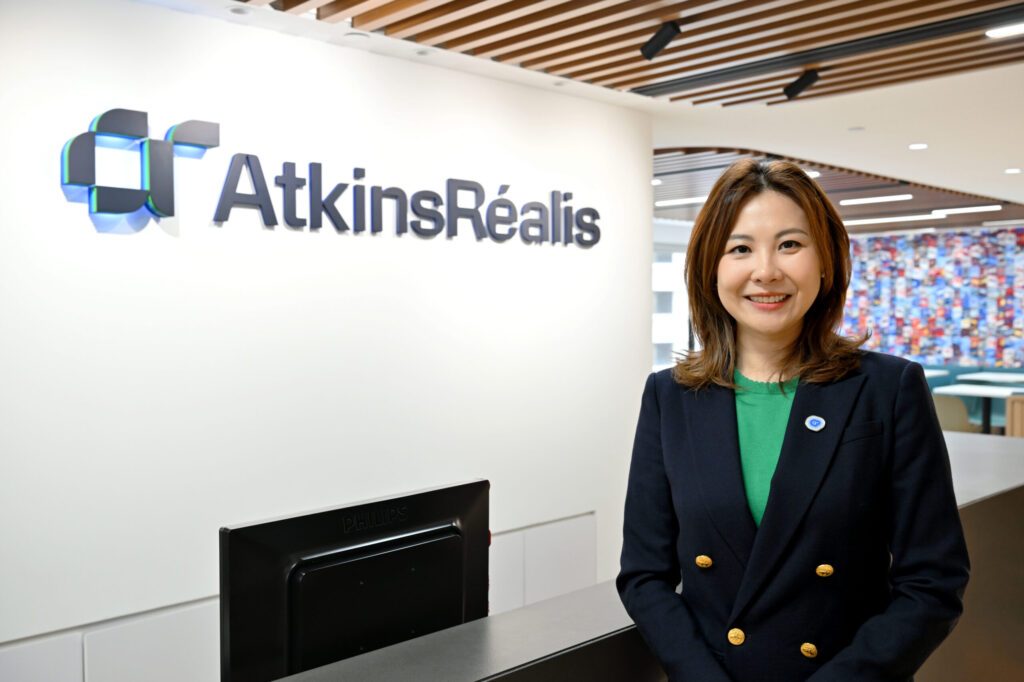
Cindy Chiu, Human Resources Director, Asia at AtkinsRéalis, notes that despite increased hiring, women remain underrepresented at senior and leadership levels in engineering. Many leave the profession mid-career due to a mix of cultural, structural, and personal barriers. This phenomenon, often called the “leaky pipeline,” highlights the complexity of achieving lasting gender diversity in engineering.
Unpacking the Barriers: Culture, Career Paths, and Workplaces
One key factor impeding progress is workplace culture. Engineering has traditionally been male-dominated, leading to unconscious bias and a lack of mentorship opportunities for women. Isolation, limited access to high-profile projects, and a shortage of role models can make it difficult for women to see a long-term future in the profession. This impacts not only individual careers but also the broader goals of gender diversity in engineering.
Career progression is another major challenge. Women often find fewer opportunities for advancement, with leadership roles frequently going to their male counterparts. Workplaces that fail to recognize or address these systemic issues risk losing talented women, further perpetuating the gender gap.
Redesigning Careers and Workplaces for Gender Diversity
To achieve meaningful change, organizations must move beyond recruitment and focus on retention and advancement. This means redesigning career paths to be more flexible and inclusive. Offering mentorship programs, leadership training, and clear advancement criteria can empower women to pursue senior roles in engineering.
Workplace flexibility is equally important. As many women balance work and family responsibilities, organizations that provide flexible schedules, remote work options, and supportive parental leave policies are more likely to retain top female talent. These changes not only benefit women but contribute to a more engaged and productive workforce overall.
The Business Case for Gender Diversity in Engineering
Numerous studies have shown that diverse teams drive innovation, improve decision-making, and enhance business performance. In engineering, where creativity and problem-solving are paramount, fostering gender diversity in engineering is a strategic imperative. Companies that prioritize diversity and inclusion are better positioned to attract and retain the best talent, respond to market changes, and deliver superior results.
Moving Forward: Collective Action for Lasting Change
While progress toward gender diversity in engineering has been made, much work remains. Industry leaders, HR professionals, and policymakers must collaborate to address cultural and structural barriers. Sharing best practices, setting measurable diversity goals, and holding leaders accountable can accelerate change.
Ultimately, achieving gender diversity in engineering requires a sustained, organization-wide commitment. By focusing on recruitment, retention, and advancement, companies can create pathways for women to succeed and lead in engineering. The journey may be slow, but the rewards—for individuals, organizations, and society—are immense.
This article is inspired by content from Original Source. It has been rephrased for originality. Images are credited to the original source.