

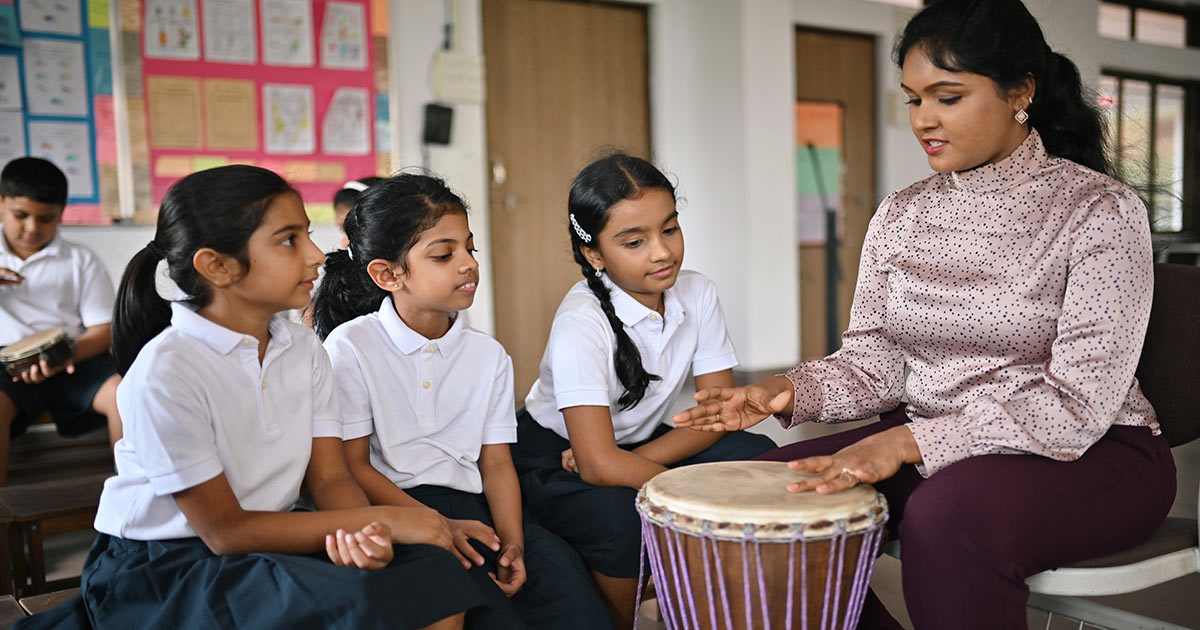
The Overlooked Role of Music Education
In the ongoing conversation about human capital development in India, the spotlight often falls on STEM skills, artificial intelligence, and job-ready proficiencies. However, one critical aspect often missing from the debate is music education. Integrating music into India’s educational framework could significantly enhance the country’s human capital by nurturing attention, creativity, discipline, and self-regulation.
Music Education: More Than Just an Art
Music education is not merely about learning to play an instrument or reading notes. Research consistently shows that exposure to music strengthens attention and memory. For students, this means improved academic performance, better focus in the classroom, and a heightened ability to process and retain information. In a competitive global landscape, these cognitive skills are invaluable for building robust human capital.
Cultivating Creativity and Confidence
One of the most profound impacts of music education is its ability to foster creativity. When children engage in music, they learn to experiment, improvise, and express themselves in unique ways. This creative thinking extends beyond music and translates into innovative problem-solving skills—essential for the future workforce. Furthermore, the act of performing music, whether solo or in a group, builds confidence and public speaking abilities, equipping young Indians for leadership roles in diverse fields.
Discipline and Self-Regulation Through Music
Practicing music demands consistency, patience, and discipline. Students must set goals, manage their time, and persist through challenges. These habits contribute directly to self-regulation, a trait linked to better emotional health and professional success. By embedding music education within the curriculum, India can cultivate a generation of disciplined, resilient individuals—core pillars of strong human capital.
Bridging Socio-Economic Divides
Music education also plays a role in social inclusion. It provides a universal language that bridges socio-economic divides, bringing students from diverse backgrounds together. Schools that integrate music into their curriculum report higher levels of engagement and collaboration among students. In a diverse country like India, such unity strengthens the fabric of human capital by encouraging mutual respect and teamwork.
Music and the Future of Work
As India’s economy grows and the nature of work evolves, the demand for well-rounded individuals is rising. Employers increasingly value creativity, collaboration, and emotional intelligence alongside technical skills. Music education inherently nurtures these qualities, providing Indian youth with a competitive edge in the global marketplace and elevating the nation’s human capital profile.
Integrating Music Into the Curriculum
To fully realize the benefits, policymakers and educators must advocate for the inclusion of comprehensive music education in schools. This involves not only providing resources and training for teachers but also recognizing music as an essential discipline rather than an extracurricular luxury. By doing so, India can ensure that its approach to human capital development is holistic and future-ready.
Conclusion: The Need for a Holistic Approach
In conclusion, while STEM skills and AI-readiness remain crucial, ignoring the role of music education in building human capital is a missed opportunity. Music fosters attention, discipline, creativity, and self-regulation—all vital traits for a thriving society and economy. As India aspires to become a global leader, embracing music education will help create a more innovative, adaptable, and resilient workforce. It is time to recognize music not as an extra, but as an essential note in the symphony of India’s human capital development.
This article is inspired by content from Original Source. It has been rephrased for originality. Images are credited to the original source.