

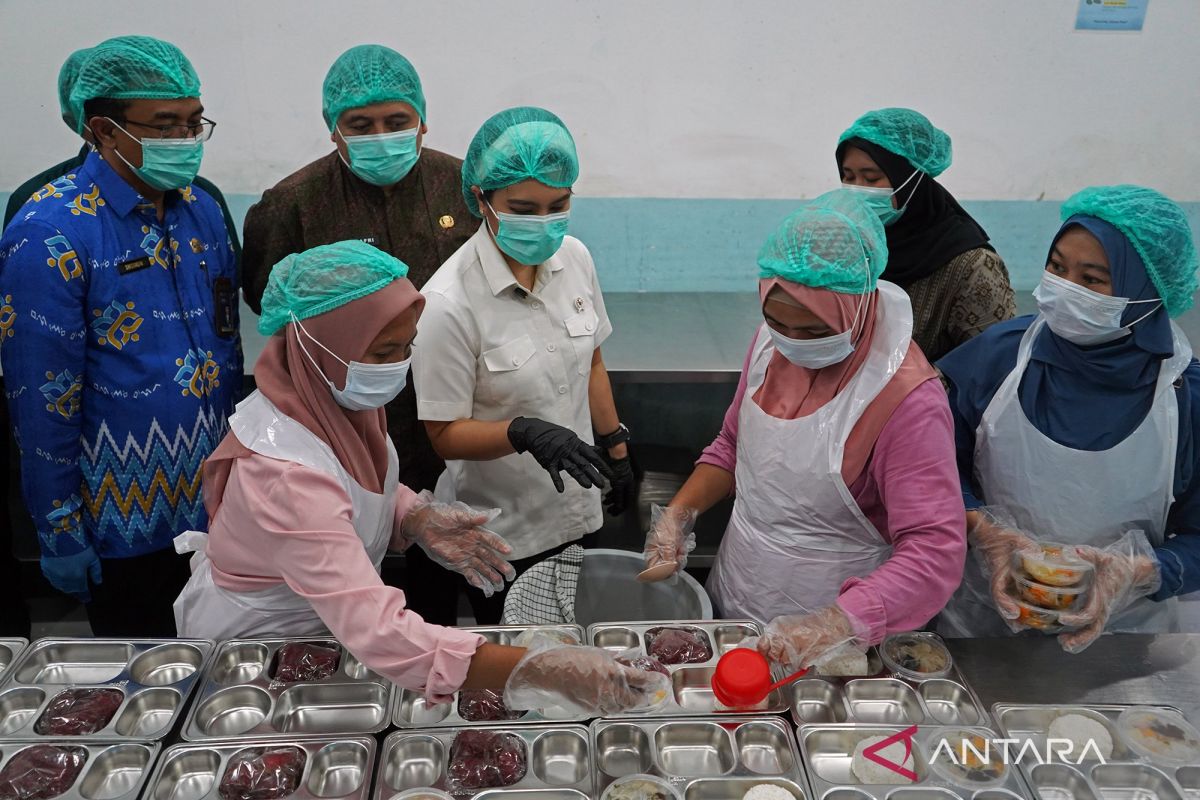
Indonesia Prioritizes Early Nutrition for Human Capital
Early childhood nutrition is now at the heart of Indonesia’s national human capital strategy, following the government’s rapid expansion of the Free Nutritious Meals (MBG) 3B program. Designed to reach pregnant women, breastfeeding mothers, and toddlers, MBG 3B marks a pivotal shift from school-based interventions to supporting children at the most critical stages of development.
As of August 2026, the MBG 3B program had already reached 9.6 million beneficiaries, according to Population and Family Development Minister and National Population and Family Planning Agency (BKKBN) Head Wihaji. The Coordinating Minister for Food Affairs, Zulkifli Hasan, has set an ambitious target to reach over 11 million 3B beneficiaries within the coming month. This expansion highlights Indonesia’s determination to combat stunting, with prevalence rates dropping from 21.5 percent in 2023 to 19.8 percent in 2024. The government’s broader goal is to further reduce this rate to 14.2 percent by 2029.
The Power of Early Intervention
The first 1,000 days of life—from conception to a child’s second birthday—are universally recognized as a window of profound physical and cognitive growth. The MBG 3B program’s early childhood nutrition focus is both biologically and economically justified. By targeting mothers and young children, the program aims to prevent nutritional deficits before they become entrenched and harder to reverse.
MBG 3B’s reach has increased dramatically, from 3.2 million in February 2026 to 9.6 million by August. However, policymakers urge caution: the number of meals distributed does not automatically translate to improved nutrition or reduced stunting. The government is therefore prioritizing high-need and remote 3T regions—frontier, outermost, and underdeveloped areas such as Papua, East Nusa Tenggara (NTT), Maluku, North Maluku, and Nias.
To support these goals, over 100 specialized kitchens are planned for these priority zones, alongside 1,300 new Nutrition Fulfillment Service Units (SPPGs) strategically placed in districts with elevated stunting rates. The success of early childhood nutrition initiatives hinges on ensuring that resources consistently reach the most vulnerable communities.
Data, Measurement, and Food Safety
Accurate beneficiary data is essential for effective targeting. National Nutrition Agency (BGN) Head Sudaryono has highlighted the need for better coordination across ministries to ensure that pregnant women, breastfeeding mothers, and toddlers—who are not always recorded in education-based systems—receive appropriate support. Improved integration of health, population, and family-development data will enhance the program’s reach and impact.
Another key challenge is measuring success. The Corruption Eradication Commission (KPK) has called for comprehensive indicators to track the program’s impact, emphasizing that progress must be evaluated not just by the number of recipients, but by improvements in nutritional status, growth, and related health outcomes. This requires robust baseline data and ongoing monitoring to ensure that early childhood nutrition interventions are genuinely effective.
Operational standards and food safety are also critical. The BGN mandates that SPPGs serve at least 300 beneficiaries from the 3B group, with strict compliance measures in place. Yet, with thousands of SPPG units still lacking Hygiene and Sanitation Eligibility Certificates (SLHS), ensuring consistent quality remains a major priority—especially as pregnant women and infants are highly vulnerable to foodborne illnesses.
Beyond Meals: Education and Lasting Impact
The MBG 3B program goes beyond simply providing nutritious meals. Family Assistance Teams (TPK) not only distribute food, but also educate families about healthy food choices, aiming to foster lasting improvements in dietary habits. This educational component is vital for the long-term success of early childhood nutrition programs.
President Prabowo Subianto, in his 2026 State of the Nation Address, reaffirmed the government’s commitment to improving MBG’s implementation and efficiency. The focus is now on shifting from mere expansion to delivering meaningful health outcomes for Indonesia’s youngest citizens and their families.
Investing in Indonesia’s Future
The long-term value of MBG 3B lies in its potential to boost Indonesia’s human capital. Proper nutrition during pregnancy and early childhood not only supports healthy physical growth, but also enhances learning capacity and future workforce productivity. However, the government recognizes that early childhood nutrition is only part of a larger solution to stunting and human development. Other factors—such as breastfeeding, maternal health, access to clean water, sanitation, and nutrition education—must also be addressed.
Indonesia’s progress in reducing stunting is promising, but sustained efforts and rigorous impact assessment are essential. The real test for MBG 3B will be whether its expansion translates into measurable gains in child health and development, rather than just an increase in administrative reach. If successful, MBG 3B will stand as a cornerstone of Indonesia’s human capital strategy, narrowing nutritional inequalities and empowering future generations.
This article is inspired by content from Original Source. It has been rephrased for originality. Images are credited to the original source.